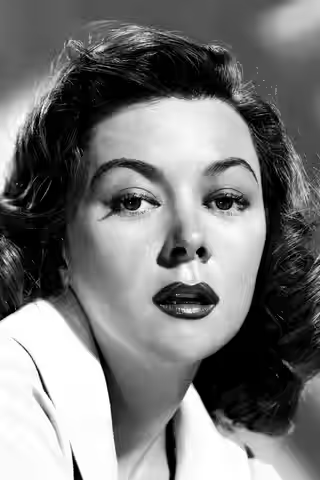
Grahame's women are tired before the scene starts and already know how it ends. In a handful of films from 1946 to 1955 she is the sharpest mind in the frame and almost never the lead, and the small parts are the ones she keeps.
Fi1m perspective
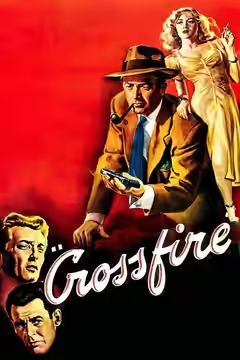
Watch what Gloria Grahame does before she says anything. In Crossfire (1947) she is Ginny, a dance-hall girl in a dressing gown, and the men who come to her room want something from her, and her face has already given them the answer. The mouth is a little ahead of the eyes; the eyes are elsewhere, working out what this will cost. She put it plainly herself: "It wasn't the way I looked at a man, it was the thought behind it." That is the whole method. The thought comes first and the look is what it leaves behind.
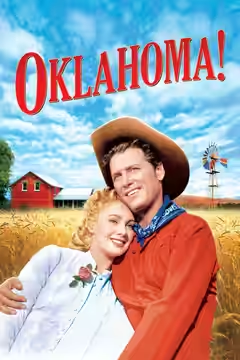
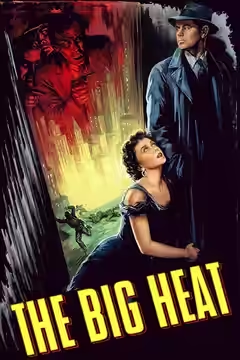
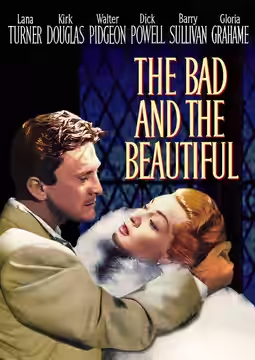
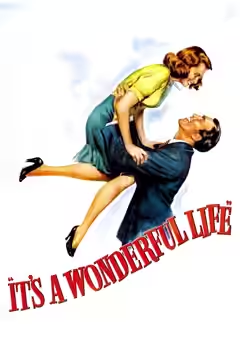
She came from the theatre, and MGM signed her in 1944, then lent her to Frank Capra for It's a Wonderful Life (1946), where she plays Violet, a small part in a film we rate highly and one the film has no time to think about. Crossfire a year later moved her to RKO and into the films she was built for, and the early 1950s are the good years: In a Lonely Place (1950) for Nicholas Ray, The Bad and the Beautiful (1952), The Big Heat (1953) for Fritz Lang. Then Oklahoma (1955), a country girl in a musical, and after that the film work thinned and she went back to the stage and to television.
What she does in the noirs is wear the archetype's clothes and refuse the archetype. The tarnished blonde in these films is usually a diagram, and Grahame plays her as a woman with a long day behind her and rent due. In In a Lonely Place she meets Bogart's temper at its own level without ever raising her voice. In The Big Heat Lang does something to her in the second half that we will not describe, and what she does with it afterwards has a wit most actors would not have found in the material. Ray got three films out of her and Lang two, and neither of them wasted her.
The Crossfire scene is the one we keep going back to. Paul Kelly walks in as a man who says he is her husband, then says he is not, then says he might be, and Grahame does almost nothing while he talks: she sits and lets him. We found it more affecting than anything in the murder plot around it, because it is the only stretch of the film where nobody is being taught a lesson, and the tiredness on her face is doing all the teaching. We would have taken another reel.
The miscasting in Oklahoma is real. Ado Annie is a girl who says yes to everyone and thinks about none of it, and Grahame's face could not stop thinking. That is the caveat and also the point: she was never going to be sunny, and the films that asked her to be got less than they paid for. Start with Crossfire, where the part is small and the film is fast, and go on to In a Lonely Place. She is on screen for less time than you would like in both, and you will notice when she leaves.
Biography
Gloria Grahame was an American actress. She began her career in theatre and made her film debut in Blonde Fever (1944) for MGM. She appeared as Violet Bick in It's a Wonderful Life (1946).
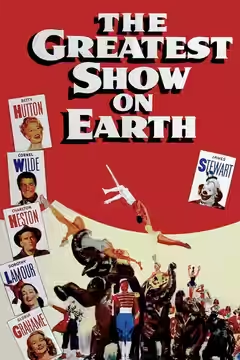
Grahame was often cast in film noir roles. She received an Academy Award nomination for Best Supporting Actress for Crossfire (1947) and won the award for The Bad and the Beautiful (1952). Her other notable films include In a Lonely Place (1950), The Greatest Show on Earth (1952), The Big Heat (1953), Human Desire (1954) and Oklahoma! (1955). She later returned to stage work and appeared in supporting roles in films and television.