Graham Yost gives his people one clear problem and lets them talk their way round it. That made Speed an action film with a rule and Justified six years of the best dialogue on television. His own inventions, without a novelist underneath, have proved less durable.
Fi1m perspective
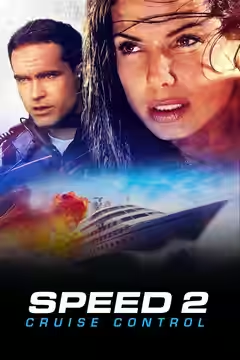
A bomb on a bus will go off if the bus drops below 50 miles an hour. A Deputy Marshal gives a man twenty-four hours to leave Miami and shoots him across a lunch table when he does not. Two openings, sixteen years apart, and the same writer's habit: state the rule in one sentence, then make everyone on screen live with it. Yost has never directed and his name is seldom on the poster, but you can hear him.
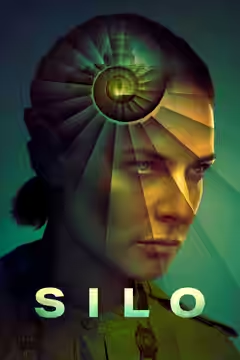
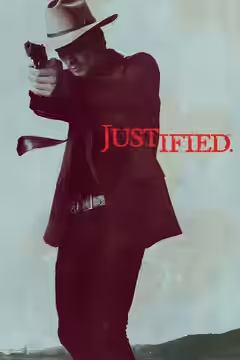
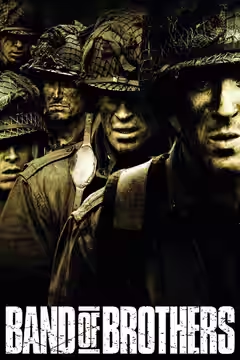
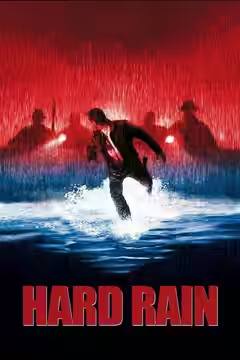
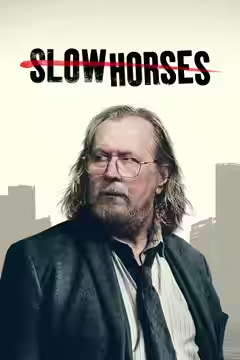
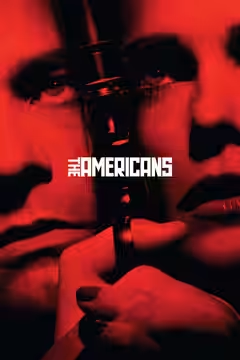
He started in television in the late 1980s, on a children's series and sitcoms, and the screenplay for Speed (1994) got him out of that room. The features that followed through the 1990s did not repeat the trick; Hard Rain (1998) was received poorly. He went back to television, writing on From the Earth to the Moon (1998) and two episodes of Band of Brothers (2001), the highest score we have given anything with his name on it, though the credit there is shared with a large team. He created Boomtown (2002) and Raines (2007), and neither lasted long. Then Justified (2010–2015), six seasons of thirteen episodes, and since it Sneaky Pete, Silo (2023) and producing work on The Americans and Slow Horses.
What he does best is carry another writer's voice without dropping it. Elmore Leonard's people talk before they shoot, and most of them talk better than they shoot, and Yost kept that intact for six years with Fred Golan writing alongside him throughout. We went back to Justified expecting to admire it and found ourselves grinning through most of it, at Olyphant and Goggins saying things nobody says quite that well and both knowing it. That is Leonard's gift, and Yost's discipline was in not improving on it. On Speed, the gift is structural instead: he hands Jan de Bont a condition anyone can explain in one sentence and then keeps asking what a useful person could do under it.
The weaknesses are the same ones our reviews found. Left to write his own lines on Speed, Yost is uneven, and the thinner exchanges show once the bus slows down. Justified drifts for two seasons and makes its women wait too long. Boomtown had an ensemble structure critics liked and an audience that did not stay, and Raines went the same way. We have not reviewed Silo and will not judge it here, but it is worth noticing that it, too, comes from somebody else's novels.
Yost has said that writing is "all just problem solving". The record suggests he solves them best when somebody else has set the problem, and that Justified, where a novelist set it, is the one to start with.
Biography
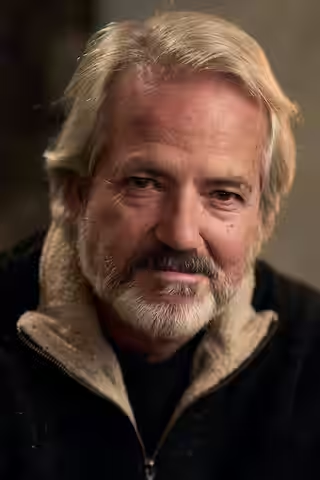
Graham John Yost is a Canadian screenwriter and television producer. Born on 5 September 1959 in Etobicoke, Ontario, he is the son of television presenter Elwy Yost. He graduated from the University of Toronto Schools and Trinity College at the University of Toronto.
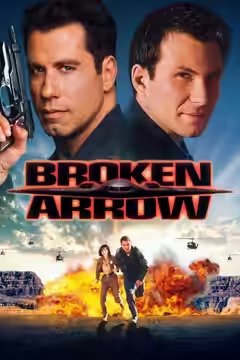
Yost began writing for television on series such as Hey Dude and Herman's Head. His film credits include the screenplays for Speed (1994), Broken Arrow (1996) and Hard Rain (1998). He wrote episodes of the HBO miniseries Band of Brothers (2001) and created the series Boomtown (2002–2003). He later created and executive-produced Justified (2010–2015) and has written for Silo.