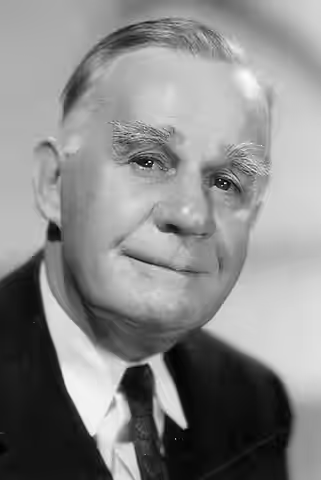
Henry Travers makes kindly older men engaging company, with enough muddle to keep them human. We rate his warmth, especially when Hitchcock makes it unsettling; the reservation is how readily that grandfatherly manner tells us what to expect.
Fi1m perspective
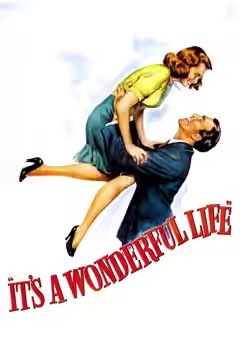
Clarence in It's a Wonderful Life (1946) is a guardian angel with the amiability of a familiar older neighbour. Henry Travers makes such figures easy to welcome, without asking us to mistake their muddle for stupidity. His value is in making a supporting part feel worth attending to. The grandfatherly manner does set limits: we can often guess rather quickly what sort of company he will be.
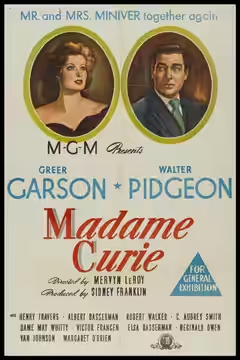
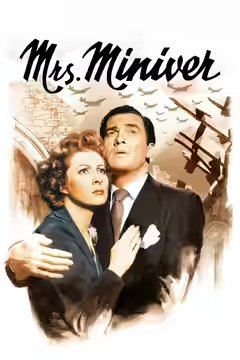
His film work began with Reunion in Vienna (1933), after years on stage, and settled largely into older supporting characters. Doctors, judges and fathers recur, parts which can give an actor authority before he has done anything to earn it. Mr Ballard in Mrs. Miniver (1942) is a station master who loves roses, a useful reminder that these men can have interests beyond helping the leading characters. The risk of such casting is that the audience recognises the kindly face and stops looking for anything else.
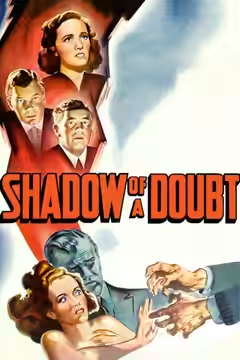
In Shadow of a Doubt (1943), Alfred Hitchcock makes a sharper use of that reassurance. Travers's Joseph Newton is the father who provides comic relief in a film where family affection makes danger harder to recognise. Teresa Wright and Joseph Cotten give the suspense its uncomfortable intimacy; Travers helps make the family seem like people whose company could be pleasant. The humour matters because the household must be worth caring about before distrust can hurt. We recommend the film despite a few convenient plot turns, and his warmth is part of what makes its unease work.
In It's a Wonderful Life, Frank Capra gives him Clarence and puts that same amiability to more openly sentimental use. We were moved by the film because James Stewart makes the exhaustion of being good feel real. Travers makes the angel approachable through the slight bumbling quality familiar from his earthly older men. The whimsy can be overinsistent, though, and the film is stronger when its kindness has Stewart's distress to contend with. Start with Clarence, but follow him with Shadow of a Doubt to see how much a director can change the effect of a reassuring actor.
Biography
Henry Travers (born Travers John Heagerty) was an English stage and film character actor. Born on 5 March 1874 in Prudhoe, Northumberland, he trained initially as an architect before beginning his stage career in 1894. He emigrated to the United States in 1917 and gained further experience on Broadway, including productions with the Theatre Guild.
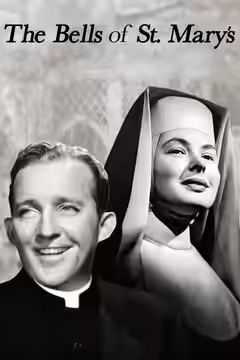
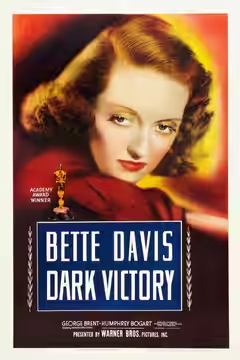
Travers made his film debut in Reunion in Vienna (1933) and appeared in numerous Hollywood films over the following two decades. He is known for roles in The Invisible Man (1933), Dark Victory (1939), High Sierra (1941), Ball of Fire (1941), Mrs. Miniver (1942), Shadow of a Doubt (1943), The Bells of St. Mary's (1945) and It's a Wonderful Life (1946), in which he played the angel Clarence. He received an Academy Award nomination for his performance in Mrs. Miniver. Travers retired from the screen after The Girl from Jones Beach (1949) and died in Hollywood on 18 October 1965.