Mervyn LeRoy was a studio director, not an author, and for a few years at Warner Bros. that was exactly what the material needed. The early 1930s films are fast, plain and still angry; the later, larger ones are softer.
Fi1m perspective
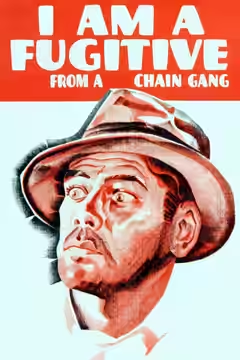
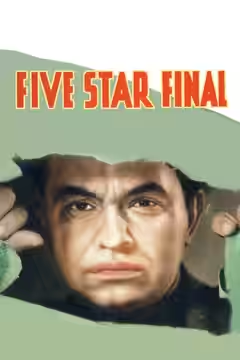
In I Am a Fugitive from a Chain Gang (1932), a convict is taken out of the bunkhouse to be strapped, and Mervyn LeRoy does not follow him. The camera stays on the men left behind, waiting for the sound. In Five Star Final (1931), Edward G. Robinson's editor washes his hands at every basin he passes and nobody in the film mentions it. Both are the same decision: show the thing next to the thing, and trust the audience to feel the rest. That is LeRoy at his best, and it is a director's habit rather than a writer's.
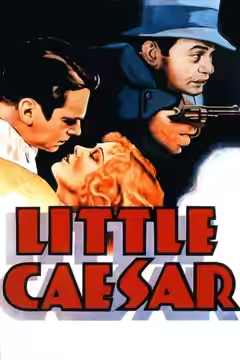
He came up through vaudeville and a studio apprenticeship in costume, camera and gag writing, directed his first feature in 1927, and hit his stride at Warner Bros. in the early 1930s. Little Caesar (1931), Five Star Final and Chain Gang came out inside two years. They are quick, plain and cross, and they are cross with institutions rather than with people: a newspaper, a prison system, a state that does not keep its word. The house style at Warners was fast and cheap, and LeRoy pointed it at targets that mattered. Sol Polito, who shot three films with him, gave the chain gang its hard daylight and lamp-lit gloom, so that stripes and sweat were all you could see.
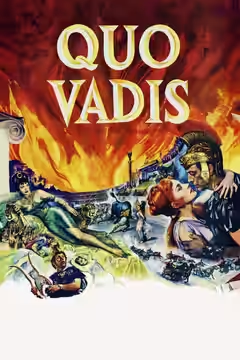
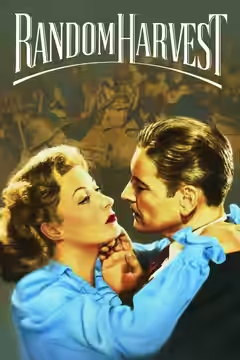
He moved to MGM in 1938, as producer as well as director, and the pictures got bigger. Random Harvest (1942), Thirty Seconds Over Tokyo (1944) and Quo Vadis (1951) are the ones people remember from this stretch, and the usual complaint is that the anger went out and sentiment came in. He returned to Warners in the mid-1950s, made The Bad Seed (1956), and carried on directing into the mid-1960s. We have not reviewed the later films and will not judge them at length. What we can say is that he never left a visual thumbprint that lets you spot one of his shots, and he did not seem to want one. His own phrase for what mattered was "the play's the thing".
The two Warners films we have reviewed are where the case for him rests. Chain Gang is as good as its reputation, 92 minutes with almost no fat, and its last minute chilled us more than anything in the camp: a fade to black and a line of dialogue, with the film's whole view of the state inside it. Five Star Final is smaller and stagier, and its last act tips into melodrama, but the newsroom meeting in which circulation men decide whether a crusade or a murder will sell more copies is as sharp as anything he made. Robinson and Boris Karloff are both excellent in it, and Aline MacMahon has the best lines.
Start with those two. If you want to know what a studio director could do with a good script and a grievance, they are the answer. The later films are for people who already like him.
Biography
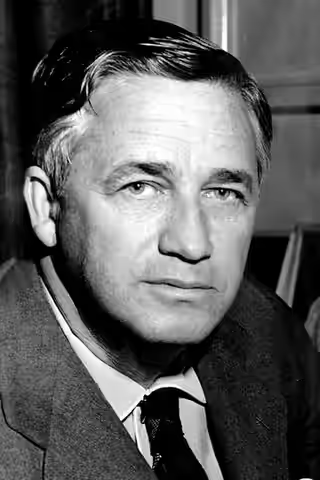
Mervyn LeRoy was an American film director and producer. Born in San Francisco on 15 October 1900, he died in Beverly Hills on 13 September 1987. He began working in the film industry in the early 1920s in roles including costumes and as a gag writer before directing his first feature, No Place to Go, in 1927.
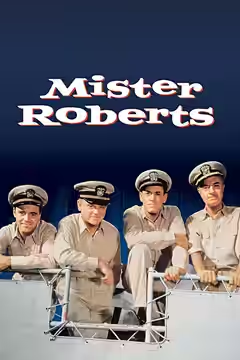
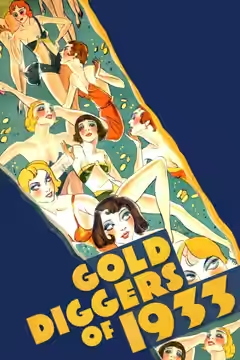
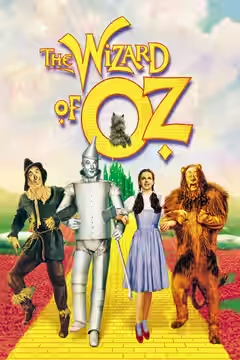
At Warner Bros. he directed Little Caesar (1931), I Am a Fugitive from a Chain Gang (1932) and Gold Diggers of 1933 (1933). He moved to MGM in 1938 as head of production and produced The Wizard of Oz (1939). Later directing credits include Random Harvest (1942), Quo Vadis (1951), Mister Roberts (1955), The Bad Seed (1956) and Gypsy (1962).
LeRoy received the Irving G. Thalberg Memorial Award in 1976.