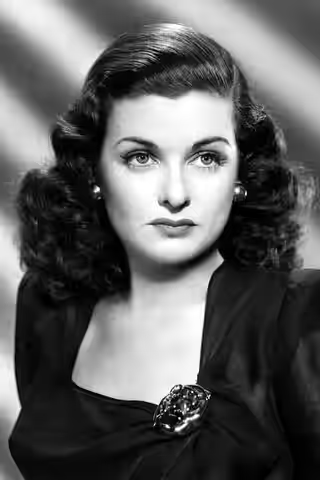
In 1929 Joan Bennett waited in a good dress for the plot to need her. By 1950 she had turned waiting into the part: a wife who knows how the evening ends and enjoys watching. In between came Fritz Lang and the noirs.
Fi1m perspective
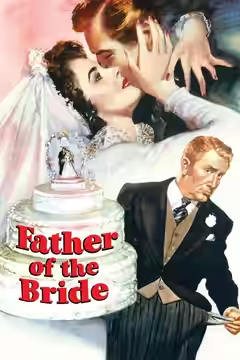
Watch what Joan Bennett does in Father of the Bride (1950) while Spencer Tracy is busy being jealous, proud and bewildered. Nothing much, on the face of it. Her Ellie Banks has the calm of a woman who has already seen how this ends and has decided to enjoy the road there, and she plays it without once asking for the camera. It is a small part and she does not try to make it larger. That restraint is the point of her, and it took her twenty years to find a use for it.
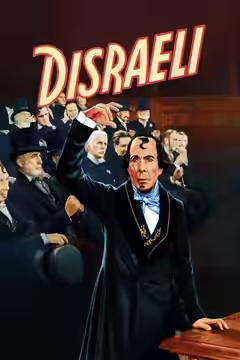
She had been in films since she was a child, made her stage debut in 1928, and spent the early 1930s as a blonde ingénue, including Amy in Little Women (1933). Our own first sight of her is Disraeli (1929), where her Lady Clarissa Pevensey has little to do but wait for Anthony Bushell in a good dress. Their scenes stopped the film dead for us; we were bored, and then faintly irritated that a 90-minute picture had found room for them. It is not entirely her fault. Given nothing, she gives nothing back, and that is the flaw and the clue: she needs a director who hands her something to hold.
The turn came around 1938, when she dyed her hair dark for Trade Winds at the suggestion of the producer Walter Wanger. The brunette got better parts than the blonde. Fritz Lang cast her three times, in Man Hunt (1941), The Woman in the Window (1944) and Scarlet Street (1945), as women who are not what the men opposite them think, and those are the films she is remembered for. She knew it. "Fritz was terribly exacting and demanding and working with him was sometimes abrasive," she said, "but he commanded great respect, and I performed better under his direction than at any other time in my career." We have not reviewed the Lang films yet, and we will not pretend to have weighed them here; we note only that the woman who could be dangerous for Lang and reassuring for Vincente Minnelli was using the same tool both times. She stands still and lets you decide what she is thinking.
After 1951 her film work thinned to a handful of pictures, and she went to the stage and to television, where Dark Shadows ran from 1966 to 1971 with her as Elizabeth Collins Stoddard. Her last feature was Suspiria (1977), as Madame Blanc, which is not a sentence anyone in 1929 would have predicted.
If you are choosing, start with the Bankses' living room, where her timing is easy to admire because nobody is straining for a laugh. Go on to Lang if you want to see what she was for. Leave Disraeli to those who have come for George Arliss, which is what the film wanted anyway.
Biography
Joan Bennett (27 February 1910 – 7 December 1990) was an American actress. She appeared in more than seventy films from the silent era into the sound period, as well as on stage and television. Her early screen roles included Lady Clarissa Pevensey in Disraeli (1929).
Bennett came from a theatrical family as the daughter of actor Richard Bennett and sister of actresses Constance Bennett and Barbara Bennett. She began as a blonde ingénue before changing her hair colour to brunette, which led to prominent roles in Fritz Lang's film noirs such as The Woman in the Window (1944) and Scarlet Street (1945). Later work included the mother in Father of the Bride (1950) and Elizabeth Collins Stoddard in the television series Dark Shadows (1966–1971). Her final film role was as Madame Blanc in Suspiria (1977).