John Frankenheimer makes danger convincing by showing us how people move, watch and work under pressure. We rate that seriousness highly, though his handling of action can be more dependable than the stories he tells.
Fi1m perspective
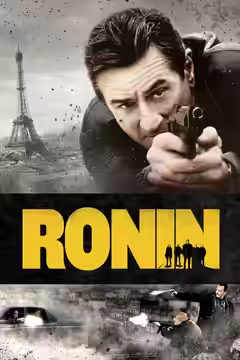
In Ronin (1998), a car chase lasts long enough for us to follow the driving and fear the next collision. We braced ourselves because the cars had weight and the speed looked dangerous. John Frankenheimer is at his most persuasive here, letting a difficult physical task hold our attention. He takes the work of espionage and theft seriously, and trusts cautious behaviour to sustain scenes that another director might fill with jokes.
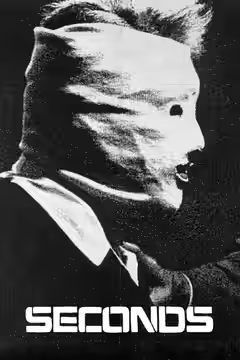
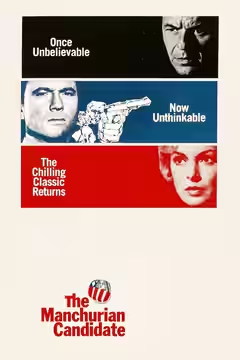
His work in live television in the 1950s helps explain the attention to where people stand and how they move. Wide-angle lenses and deep focus became ways of making the space between people feel uneasy. His early-1960s breakthrough included The Manchurian Candidate (1962), with its intricate plotting and moral uncertainty. The Train (1964) offered practical stunts and difficult moral choices; Seconds (1966) took his interest in psychological pressure into science fiction.
The features became less consistent from the late 1960s through the 1980s, when visual style sometimes took priority over the story. The 1990s revival included television films as well as Ronin, which makes a useful test of what his seriousness can and cannot achieve. The ensemble has distinct personalities even when the parts are thin, and Frankenheimer allows faces and behaviour to do much of the explaining. But the film can be excessively solemn, and some of its plot complications do not reward close inspection.
Cinematographer Robert Fraisse keeps the danger of Ronin’s pursuits easy to follow, while editor Antony Gibbs makes them urgent without leaving us guessing about the cars’ movements. Their clarity gives Frankenheimer room to let the chases run, and they earn the time. Robert De Niro and Jean Reno are welcome company between pursuits, although there are stretches when we are ready for somebody to start an engine. Start with Ronin for the driving, and accept that its characters will tell us more through their work than through their private lives.
Biography
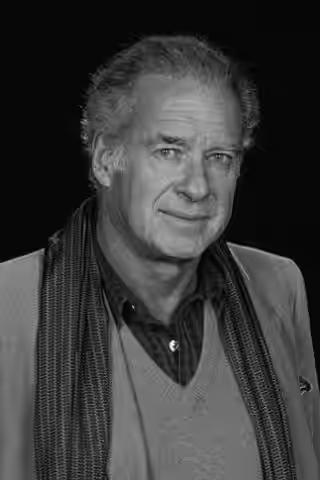
John Frankenheimer was an American film and television director. Born in New York City on 19 February 1930, he began his career in live television at CBS in the 1950s after serving in the US Air Force. He directed numerous anthology dramas before moving into feature films.
His notable films include The Manchurian Candidate (1962), Birdman of Alcatraz (1962), The Train (1964), Grand Prix (1966) and Ronin (1998). He also directed the television films Against the Wall (1994), The Burning Season (1994), Andersonville (1996) and George Wallace (1997), for which he received four consecutive Primetime Emmy Awards.
Frankenheimer died in Los Angeles on 6 July 2002.