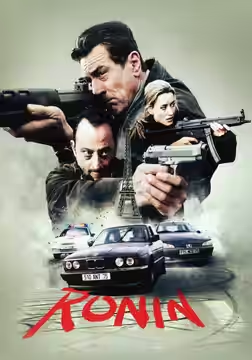
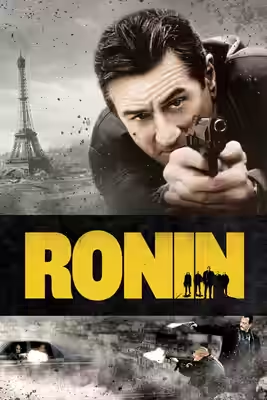
John Frankenheimer’s Ronin is a tense, satisfying thriller whose car chases justify the attention paid to them. The plotting is less reliable, but Robert De Niro and Jean Reno make the company worth keeping.
John Frankenheimer’s Ronin is a tense, skilful thriller with car chases that earn their length and characters who could use a little more attention. It takes the business of espionage and theft seriously, without treating the people involved as glamorous. Much of the pleasure comes from watching a cast make professional caution interesting. We recommend it for that and for the action, with no promise that every complication in the screenplay will reward close inspection.
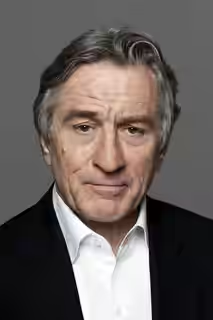
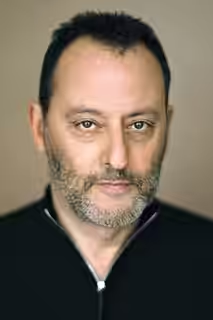
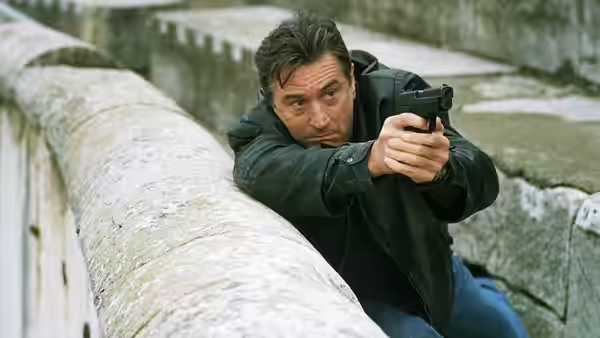
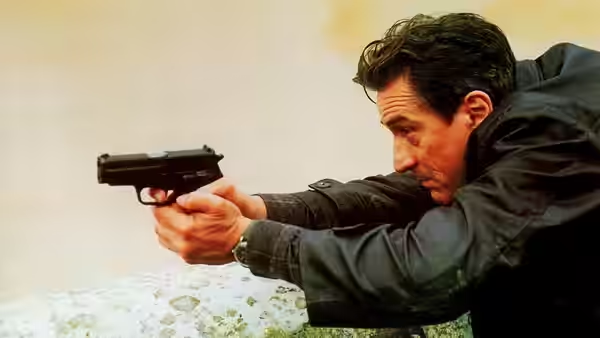
Robert De Niro’s Sam and Jean Reno’s Vincent give the film its most dependable company. Both performances are restrained, and the rapport between them gives us something to care about amid the changing allegiances. They suggest experience without insisting on our admiration, which helps when the writing supplies so little personal history. There is dry pleasure in their lack of fuss: these are actors comfortable allowing alertness and fatigue to do some of the work.
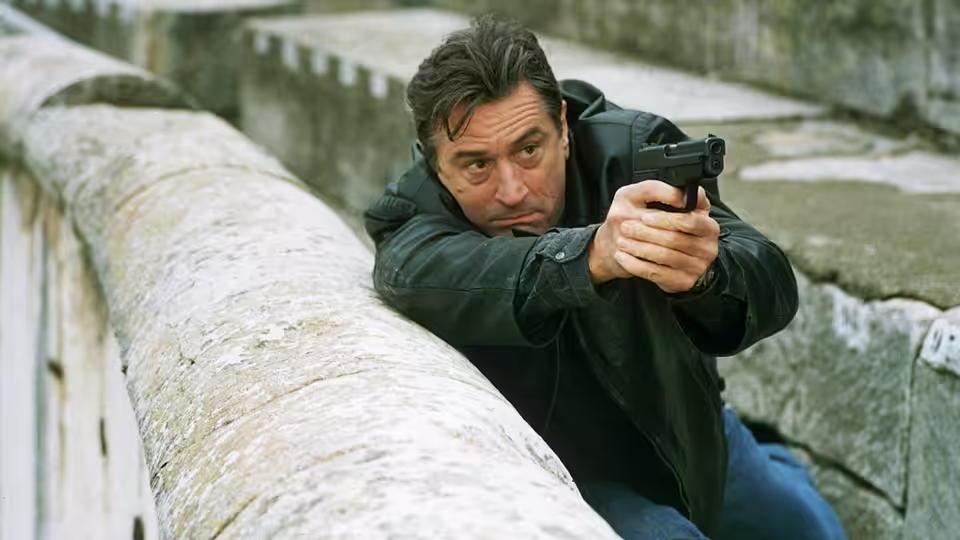
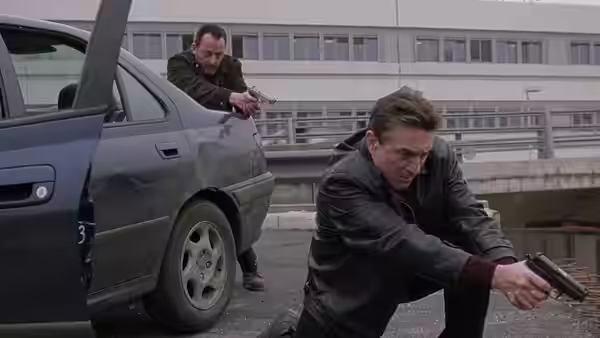
The car chases justify the film’s reputation for action. We caught ourselves bracing during them, because the speed looks dangerous and the cars have a convincing sense of weight. Robert Fraisse’s cinematography makes that physical danger legible, while Antony Gibbs’s editing keeps the pursuit urgent without making the movement seem arbitrary. We can follow enough of the driving to appreciate the skill involved, and still worry about a collision. Frankenheimer allows driving itself to hold our attention.
Michael Z. Hanan’s production design supports the unglamorous mood; the surroundings never seem to be competing with the people for our attention. That helps keep the intrigue down to a human scale, even when the plotting becomes elaborate. Elia Cmiral’s music sustains the unease effectively without making the work seem noble. These are sensible choices for a film whose appeal depends so much on believing that its people have done this sort of thing before.
The screenplay by J. D. Zeik and David Mamet is less dependable. Shifting loyalties keep the intrigue moving, but too often a fresh complication arrives before the previous one has acquired much importance. We understand that distrust is part of the pleasure; we do not need everybody’s childhood explained. Even so, the film asks for sustained interest in characters it has given us little reason to know, and the persuasive performances cannot always make up the difference.
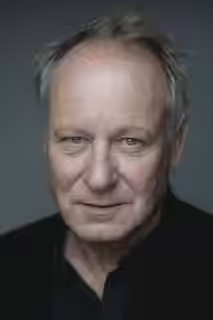
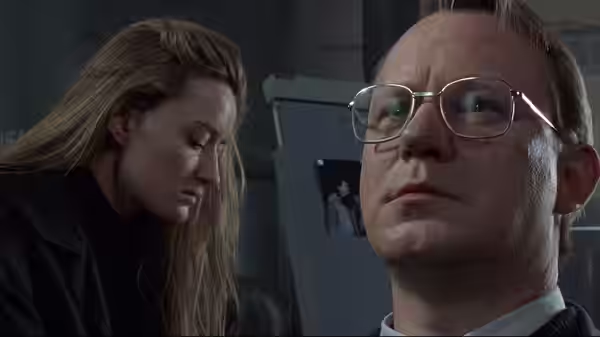
Natascha McElhone, Stellan Skarsgård and Sean Bean help give the ensemble a sense of distinct personalities, even when the roles remain underwritten. Frankenheimer trusts faces and behaviour to carry scenes that another thriller might fill with explanations or jokes. That straight-faced approach suits this throwback to the international crime thriller, and the film rarely seems embarrassed by its familiar ingredients. It can be excessively solemn, but the absence of constant self-mockery is welcome.
At 122 minutes, Ronin has enough time to expose those thinly written characters, and there are stretches when the next pursuit cannot come soon enough. Yet the action is rewarding enough to make that a forgivable limitation. Frankenheimer gets considerable suspense from the possibility that a skilled person may make a mistake at speed. Choose it when a tense, straight-faced thriller sounds appealing, provided that the driving matters more to the evening than anybody’s private life.