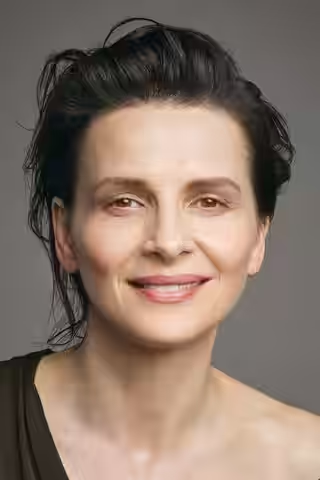
Juliette Binoche makes guarded women absorbing company, without softening their stubbornness for our benefit. We value her most when a director gives her time and trusts her not to explain every feeling.
Fi1m perspective
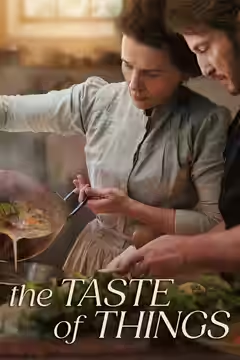
In the garden in The Taste of Things (2023), Juliette Binoche's Eugénie tells Dodin she is happy with their arrangement. She says it without anger. Binoche makes the woman's certainty clear without making her unkind, and Benoît Magimel gives her a suitably self-important man to resist. After the long opening in the kitchen, we believe she knows her own mind as thoroughly as she knows her work.
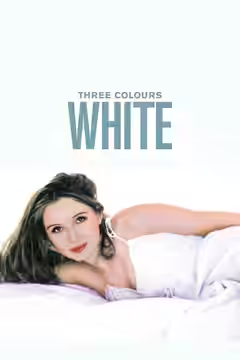
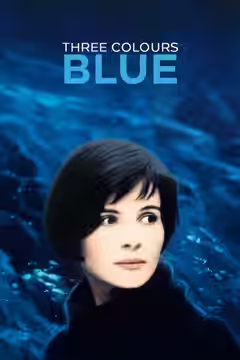
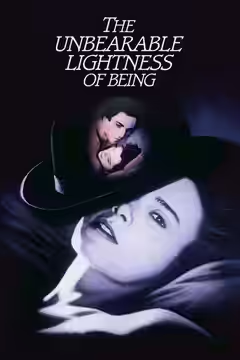
Her early French films included Rendez-vous (1985) and Mauvais sang (1986), before The Unbearable Lightness of Being (1988) brought international attention. Three Colours: Blue (1993) made her guardedness central to an entire film. As Julie, grieving and determined to limit what others can ask of her, she refuses the reassuring signals that would make the character easy company. We were frightened by the opening crash, and Binoche makes the effort of living after that shock painful to watch.
Krzysztof Kieślowski gives that performance room by declining to make Julie agreeable. Sławomir Idziak's reflections, blurred focus and dark filters make us look harder at her face, though sometimes the photographic effects distract from what she is doing. The film occasionally insists on the importance of an exchange that Binoche has already made worth watching. We would sometimes prefer a plainer view of her.
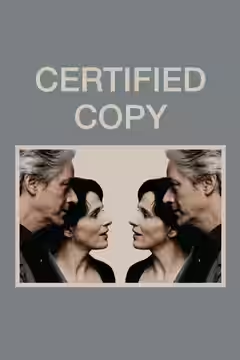
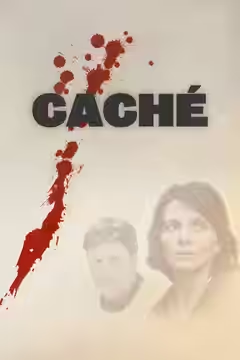
The later career has kept her in demanding company, including Michael Haneke on Caché (2005) and Abbas Kiarostami on Certified Copy (2010). There have also been studio parts, including Godzilla (2014). The films we return to here, though, depend on her willingness to leave a character partly unreadable. Julie's wish to be alone and Eugénie's wish to keep her independence both remain understandable without turning into pleas for approval.
Trần Anh Hùng gets particularly good work from her by allowing Eugénie to cook without rushing to the next conversation. Jonathan Ricquebourg's camera travels from range to table, while Mario Battistel's patient editing lets us watch the work being done. Binoche learnt cooking skills for the part, and the result is a woman whose competence needs no announcement. The men can talk about sauces for longer than we need, but her quiet assurance keeps the romance credible. For the gentler introduction, choose The Taste of Things and allow it to take its time.
Biography
Juliette Binoche is a French actress. Born on 9 March 1964 in Paris, she trained at the Conservatoire national supérieur d'art dramatique and made her film debut in the early 1980s. She gained attention in France with roles in Jean-Luc Godard's Hail Mary (1985) and André Téchiné's Rendez-vous (1985).
Her international breakthrough came with The Unbearable Lightness of Being (1988). She is known for her performances in Krzysztof Kieślowski's Three Colours: Blue (1993), for which she won the César Award for Best Actress and the Volpi Cup, Anthony Minghella's The English Patient (1996), for which she received the Academy Award and BAFTA Award for Best Supporting Actress, and Lasse Hallström's Chocolat (2000). Binoche has also appeared in Godzilla (2014), Ghost in the Shell (2017) and The Taste of Things (2023). She won the Cannes Film Festival Award for Best Actress for Certified Copy (2010).