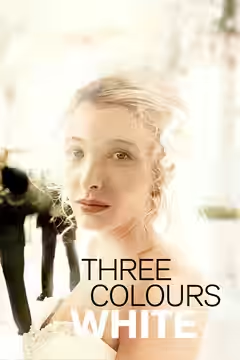
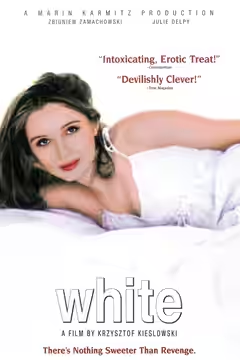
Dominique (Julie Delpy) in close-up with a cameraman behind her
Film review

Three Colors: White

1994 · Directed by Krzysztof Kieślowski · 1h 32m · MPA R

In a sentenceA man discovers that getting rich is easier than getting over his wife

A marital breakdown sends Karol Karol (Zbigniew Zamachowski) into a struggle with love, resentment and money. His pursuit of a better life unfolds against the changes in post-Communist Poland, where getting ahead means learning the rules of capitalism. Julie Delpy plays Dominique, with Janusz Gajos as Mikołaj and Jerzy Stuhr as Jurek. Krzysztof Kieślowski’s comedy follows Karol’s changing fortunes as the wish for equality becomes tangled with the desire to get even. Romance and business offer competing ways to measure success, while his romantic attachment complicates the question of what he actually wants.

Fi1m review

Krzysztof Kieślowski makes a sly, funny comedy about marital failure and getting even. Zbigniew Zamachowski earns our affection without making Karol admirable, though Julie Delpy is given too little room to make Dominique equally convincing.

For Krzysztof Kieślowski, a comedy about equality begins with the awkward question of who thinks they have been cheated. Three Colours: White follows marital misery into a rags-to-riches revenge story, and it is good, sourly funny company. Its sympathy for Karol Karol survives behaviour that a kinder comedy might tidy away. The weakness is the marriage: we are given much more help understanding the husband’s hurt than the woman involved.

Zbigniew Zamachowski is the reason that sympathy lasts. His Karol seems slow to grasp what is happening to him, and the performance makes his growing resourcefulness both pleasing and faintly worrying. We laughed at his bewilderment, then felt mean for laughing. Zamachowski gives Karol enough wounded dignity to make the joke uncomfortable, without asking us to stop enjoying it.

The screenplay, by Kieślowski and Krzysztof Piesiewicz, finds a useful setting for these grievances in post-Communist Poland. Money offers a way of measuring who has come out ahead, which is convenient for a man who wants his private misery settled. The satire works because getting rich remains attractive even as the business of doing so looks grubby. We can understand the temptation without needing the film to explain that capitalism encourages bad behaviour. Occasionally its ideas about equality press too hard on the comedy, and the joke begins to feel like an example prepared for a lecture.

Edward Kłosiński’s cinematography gives Warsaw a persuasive life beyond Karol’s grievances. The production design by Claude Lenoir and Halina Dobrowolska helps here too: the Polish setting makes the pursuit of prosperity feel like ordinary business, rather than a special vice invented for the hero. Their work keeps the satire from becoming too tidy. This is a society in which other people are also busy trying to get ahead.

Urszula Lesiak’s editing is particularly effective when the film makes its point quickly, through a sharp change of mood. She gives the individual episodes their bite, although the move between black comedy and love story is not always comfortable. Zbigniew Preisner’s music helps hold those moods together without making Karol’s troubles seem grander than they are. At 92 minutes, the film is brisk enough for its oddities to remain interesting, rather than becoming a test of patience.

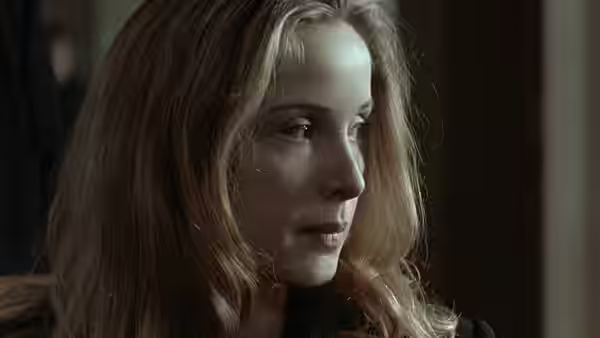
Julie Delpy has the harder task as Dominique. The writing leaves her less fully imagined than Karol, and the balance does not improve simply because we understand that he cannot see her clearly. Delpy gives the character a firmness that the film needs, but too much of the love story depends on accepting her importance to him. We wanted more sense of what she wanted for herself. That omission matters in a film so interested in the damage people do when they think they deserve more.

As the second film in Kieślowski’s trilogy, Three Colours: White is often described as the slight one. That undersells how awkward its humour can be, and how little satisfaction it takes in anyone’s humiliation. There is enough affection here to distinguish it from a revenge comedy that merely invites applause for the revenge. Choose it when dry jokes and compromised people sound more appealing than a reassuring love story.

Critical consensus AI synthesised

75
Positive
11
Mixed
0
Negative
0

Every review in is favourable, and the praise gathers in the same places. Most critics read the film as a deadpan black comedy about revenge and equality, and find the comedy lands: the absurd is played as plain fact, and the humour has a gallows edge. Zbigniew Zamachowski’s lead performance is singled out again and again for its mix of bafflement and resourcefulness, and several reviews admire the sharp but affectionate portrait of a Warsaw turning to gangster capitalism.

The reservations are small and consistent. The recurring complaint is slightness: this is widely seen as the least weighty film of the trilogy, raw beside Blue, and a few reviewers feel the comedy and the love story sit uneasily together. The Independent thinks the female lead is underwritten; Empire finds the symbolism and moralising intrusive. The spread is narrow, with The New York Times alone treating it as a marvel rather than an agreeable minor work.

The New York Times
10 June 1994 · Caryn James
90*

The critic finds 'White' a witty, deadpan marvel that contrasts sharply with the austere 'Blue,' praising its rich, light-handed storytelling and the lead performance's blend of bafflement and ingenuity.

Read the full review →
Radio Times
★★★★ · David Parkinson
80

The slightest of the trilogy yet still admirable as a Chaplin-inspired comedy. It offers an unflattering yet affectionate portrait of democratic Warsaw and features a standout turn from Zbigniew Zamachowski.

Read the full review →
Slant Magazine
8 March 2023
80*

White is described as less a laugh-out-loud comedy than a bitter satire on Poland’s place in post-communist Europe. The review highlights the protagonist's rise to power and revenge plot, concluding that equality, like love, exalts in chains.

Read the full review →
The Independent
9 June 1994 · Sheila Johnston
80*

The critic praises the film's startling intense vignettes, its vivid depiction of post-communist Poland in flux, sly gallows humour and brilliant editing, while noting some elusiveness in blending comedy and love story plus an underdeveloped female lead.

Read the full review →
Time Out
10 September 2012 · GA
80*

The second part of Kieślowski’s trilogy feels raw and slight after Blue, but delivers a droll black comedy about equality, revenge and desire. It skewers post-Communist Polish ethics while ending on a note of unsentimental humanity.

Read the full review →
Empire
27 January 2006 · Steve Beard
70*

The critic calls it the most playful and accessible film in the trilogy, highlighting its picaresque romantic odyssey with black comedy, glum pathos and satisfying anti-capitalist satire, though noting bubbling symbolism and moralising.

Read the full review →

Straight answers AI written, from our review

How long is Three Colors: White, and what is it rated?
Three Colors: White runs 1h 32m and is rated R by the MPA in the US. It is a comedy and drama film.
Where can I watch Three Colors: White in the US?
Three Colors: White is streaming on HBO Max, The Roku Channel and Amazon Prime Video in the US, and it is also available to rent from Amazon Prime Video from $3.99. It leaves HBO Max on 30 September. Availability is checked daily; the links above go straight to each service.
What should I watch after Three Colors: White?
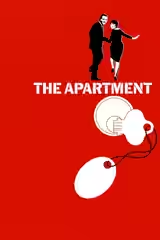
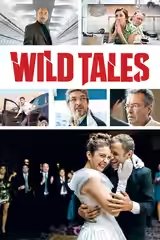
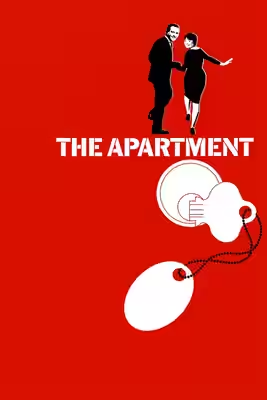
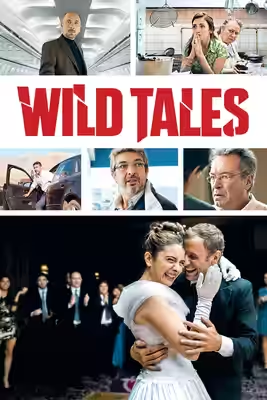
After Three Colors: White, try The Apartment (1960, Fi1m 91): Workplace ambition and romantic disappointment, with sympathy for people who compromise themselves. Then Wild Tales (2014, Fi1m 83): Revenge keeps seeming reasonable until these angry people actually try it.

Cast

Awards

International Submission to the Academy Awards, 1995

Nominated
International Submission to the Academy Awards

If you liked this, try…

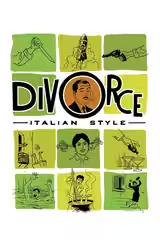
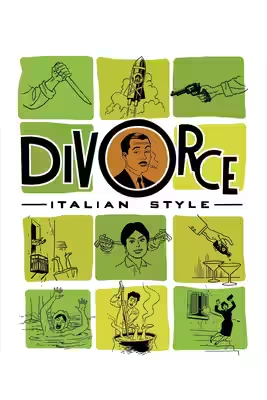
  1. Divorce Italian Style (1961) · not reviewed yetAnother marital comedy in which male self-pity produces increasingly appalling ideas.

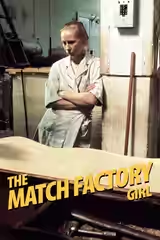
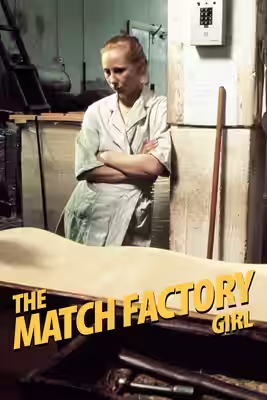
  2. The Match Factory Girl (1990) · not reviewed yetA spare Finnish comedy about humiliation and the wish to retaliate.

  3. The Apartment (1960, Fi1m 91)Workplace ambition and romantic disappointment, with sympathy for people who compromise themselves.

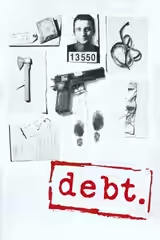
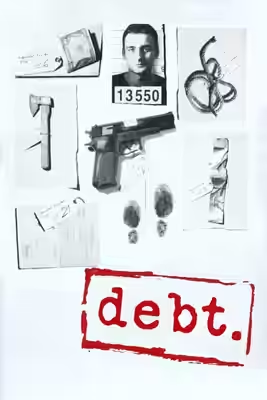
  4. The Debt (1999) · not reviewed yetFor a much harsher account of business and coercion in post-Communist Poland.

  5. Wild Tales (2014, Fi1m 83)Revenge keeps seeming reasonable until these angry people actually try it.

Free account

Know what to watch tonight

Two lists that know where things are streaming, collections you can share, your own score beside ours, and Discover that remembers what you have seen.

  • Want to see, sorted by what is streaming now
  • Seen, with your score out of ten
  • No adverts, ever