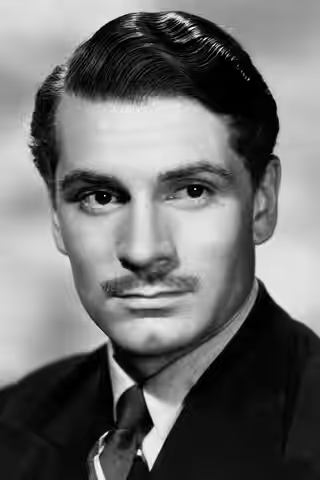
Laurence Olivier makes anger and superiority visible in the way a man stands, looks and speaks. We rate him for that precision, though he can push a line too hard when a quiet look would have done.
Fi1m perspective
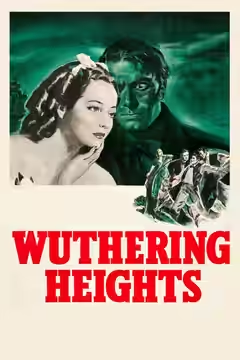
In Wuthering Heights (1939), Laurence Olivier gets more from standing still and looking at Merle Oberon than from barking his lines at the ceiling. His Heathcliff is angry throughout, but the quiet looks make that anger worth watching. William Wyler allows the louder moments too, while cinematographer Gregg Toland lights the house so that a candle finds one face at a time. Olivier benefits from being seen that closely, and the performance still has enough heat to make the occasional burst of unnecessary volume worth tolerating.
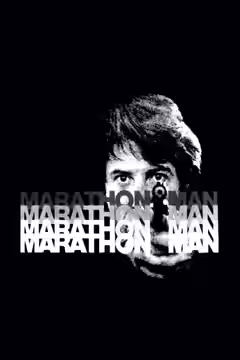
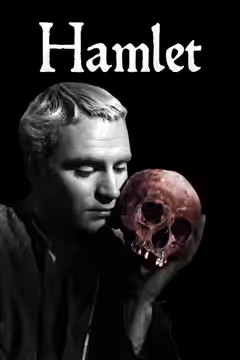
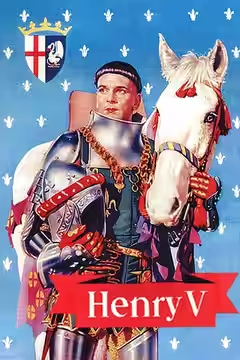
This was his film breakthrough after establishing himself in Shakespeare on stage. He then directed and starred in Henry V (1944), Hamlet (1948) and Richard III (1955). His acting worked from physical details, using voice, posture and gesture to build a character. That method could leave too much stage technique visible on screen. The later move into menacing character parts brought Dr Christian Szell in Marathon Man (1976).
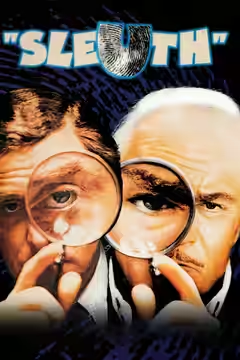
Sleuth (1972) makes the work of keeping up appearances funny and troubling. As Andrew Wyke, Olivier behaves with such grandeur that we can see how hard the man works to keep the upper hand. Michael Caine's Milo Tindle gives him enough resistance to make their contest worth following. Director Joseph L. Mankiewicz trusts their watchfulness to keep the talk interesting. We laughed at Olivier's swagger, then felt uneasy because Wyke takes such pleasure in making his opponent uncomfortable.
There are limits to what those performances can repair. Anthony Shaffer's screenplay grows too fond of its own tricks, and the film runs longer than the contest needs. Olivier and Caine repeatedly bring our attention back to the men, though a tighter film would ask less of them. Start with Sleuth, provided there is no hurry to get to bed.
Biography
Laurence Olivier was an English actor and director. Born Laurence Kerr Olivier on 22 May 1907 in Dorking, Surrey, he died on 11 July 1989.
He trained at the Central School of Speech and Drama and began his professional career in repertory theatre in the mid-1920s. His first major West End success was in Noël Coward's Private Lives (1930). In 1935 he appeared opposite John Gielgud and Peggy Ashcroft in a celebrated production of Romeo and Juliet. During the 1940s he served as co-director of the Old Vic company alongside Ralph Richardson.
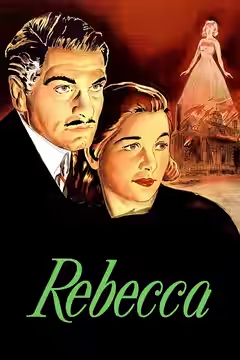
Olivier appeared in more than fifty films. He played Heathcliff in Wuthering Heights (1939) and Maxim de Winter in Rebecca (1940). He directed and starred in Shakespeare film adaptations including Henry V (1944) and Hamlet (1948). From 1963 to 1973 he was founding director of the National Theatre. He was knighted in 1947 and created Baron Olivier in 1970.