Marvin V. Rush's patient photography gives television actors time to make an impression. We rate his work most confidently as a cinematographer, though the restraint that serves good performances can also expose weak writing.
Fi1m perspective
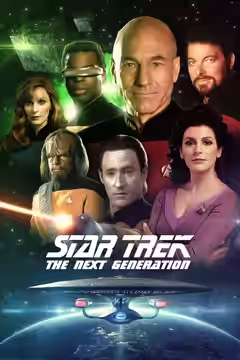
In Star Trek: The Next Generation (1987), a small change in a face is allowed to matter. Rush, one of the series' cinematographers, gives the actors the attention their conversations need, and this remains the clearest reason to value his work. We were moved by Patrick Stewart's conviction in those difficult exchanges, which makes the series' faith in decency feel worth taking seriously. The editing, with Monty DeGraff among those credited, lets the conversations develop rather than cutting them short. It is patient television, occasionally over-polite, and thinner dialogue gets rather more scrutiny than it can bear.
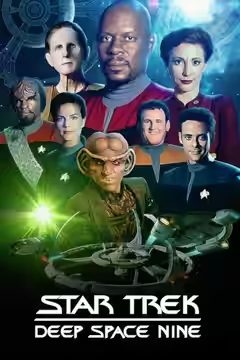
Rush joined the series as director of photography in 1989, then took that role on Star Trek: Deep Space Nine (1993), Star Trek: Voyager (1995) and Star Trek: Enterprise (2001). The move from the bright, clean Enterprise sets of The Next Generation to the darker, more foreboding spaces of Deep Space Nine shows a willingness to alter the lighting to suit the programme. His collaborators include Jonathan Frakes, on Star Trek and later The Orville (2017).
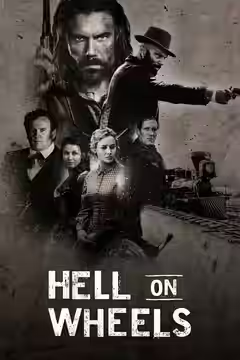
Hell on Wheels (2011) requires a different set of decisions: sunlight, moonlight, candles and lanterns provide Rush's starting points, with little added light. His handheld approach aims to bring us closer to the drama, and he reserves close-ups for moments that need them. These are sensible choices for a railway Western, but they cannot settle the programme's uneven pace or improve its solemn dialogue. We found it interesting in patches, helped by the setting and supporting cast, rather than consistently rewarding. Rush also directed episodes, though those series-wide failings cannot fairly be assigned to him alone.
His directing credits across The Next Generation, Voyager and Enterprise total five episodes, including The Thaw for Voyager and Terra Prime for Enterprise. That is a narrower basis for judging a director than his long run of photographic work provides for judging a cinematographer. We would not confuse responsibility for how a series looks with responsibility for everything it says. For Rush at his most rewarding, start with the middle seasons of The Next Generation; just allow for the occasional conversation that outlasts its point.
Biography
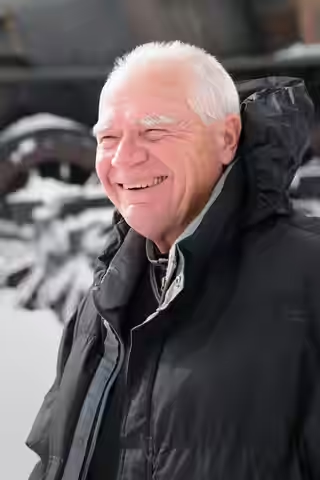
Marvin V. Rush A.S.C. is an American cinematographer, director of photography, television director and camera operator. He is best known for his work on the Star Trek franchise.
Rush served as director of photography on Star Trek: The Next Generation (1989–1993), Star Trek: Deep Space Nine (1993–1994), Star Trek: Voyager (1995–2001) and Star Trek: Enterprise (2001–2005). He also directed five episodes across the three later series, including "The Host" for The Next Generation. He received two Primetime Emmy Award nominations for cinematography: in 1991 for the The Next Generation episode "Family" and in 1995 for the Voyager episode "Heroes and Demons".
Rush has worked as cinematographer on series including Hell on Wheels (2011–2016) and directed episodes of TURN: Washington's Spies.