Mia Farrow can make quiet unhappiness register beside the loudest person in a scene. Her vulnerable roles matter, but we value her more as an ensemble actor who need not raise her voice to count.
Fi1m perspective
In Husbands and Wives (1992), Mia Farrow’s Judy Roth can hold our attention without matching the volume of Judy Davis’s Sally. In an ensemble full of jealousy, vanity and explanations that convince nobody for long, she makes space for less loudly expressed feelings. We rate this kind of acting highly: it keeps a film about articulate people from suggesting that only the most forceful speaker matters. Farrow is persuasive without making a demonstration of how hard she is working.
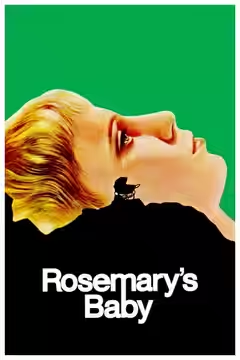
Her early casting did not always offer so much room. Peyton Place (1964–1966) helped establish the vulnerable image, and the breakthrough of Rosemary’s Baby (1968) showed how well she could convey psychological distress and physical ordeal. That was effective casting, but its repetition could make a particular strength look like the only thing she could do. The later work gives us good reason to resist that narrow view.
The thirteen films she made with director Woody Allen from 1982 to 1992 gave her parts that could be winsome, brassy or manipulative. The Purple Rose of Cairo (1985) drew on her vulnerability for romantic fantasy; Hannah and Her Sisters (1986) gave her a central, matriarchal place in a family ensemble. The change was welcome because it allowed her to be more than the person we worried about. Allen’s films could use her sensitivity without making every character seem equally defenceless.
That collaboration ended with Husbands and Wives, where Allen’s writing is shrewd about self-deception without treating the wish for companionship as foolish. Davis gives Sally’s anger precision and visible hurt, while Sydney Pollack’s Jack suggests an adult who ought to know better. We were moved by Judy because Farrow makes her quieter feelings matter beside these more forceful performances. The restless camera occasionally gets in their way, and the film can be abrasive. Start here if fragile is the only word that comes to mind for her.
Biography
Mia Farrow is an American actress. Born María de Lourdes Villiers Farrow on 9 February 1945 in Los Angeles, she is the daughter of director John Farrow and actress Maureen O'Sullivan. She began her career with a role in the television series Peyton Place (1964–1966) and made her credited film debut in Guns at Batasi (1964).
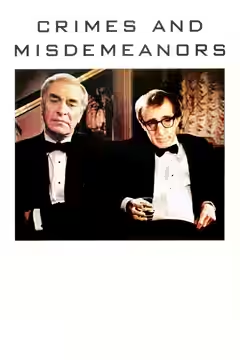
Farrow is known for her performances in Rosemary's Baby (1968), Hannah and Her Sisters (1986), The Purple Rose of Cairo (1985), Crimes and Misdemeanors (1989) and Death on the Nile (1978). She played Judy Roth in Husbands and Wives (1992). She has also worked as a UNICEF Goodwill Ambassador.