Tolkin writes people who can make self-interest sound reasonable, and he lets them talk long enough to convince themselves. The Player is the sharp version, Escape at Dannemora the patient one, and we rate the first more highly.
Fi1m perspective
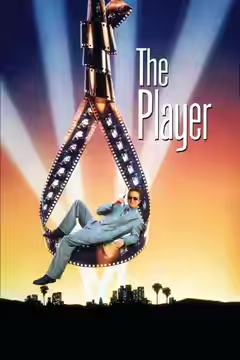
Tim Robbins's Griffin Mill, the studio executive at the centre of The Player (1992), is the most agreeable man in the film and the one to be most wary of. Michael Tolkin wrote him, first in a 1988 novel and then for Robert Altman, and the trick of the writing is that Mill never has to justify himself. He explains, pleasantly, and the explanation sounds fine. Tolkin's people are like that: they can make professional self-interest sound reasonable, and he gives them time to do it.
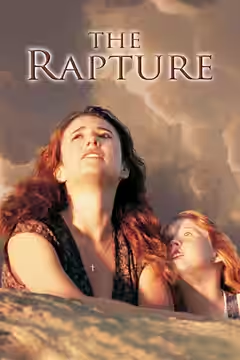
He came to scripts from journalism, at the Village Voice and the Los Angeles Times, and from a spell as a television story editor, and the reporter's habit of letting people talk until they give themselves away has stayed with him. The Altman film was the making of him. He then directed two of his own scripts, The Rapture (1991), which takes born-again faith and the end of the world literally, and The New Age (1994), and neither was received as The Player had been. Studio work followed, Deep Impact (1998) and Changing Lanes among it, and then television: Ray Donovan, Escape at Dannemora (2018) with his regular writing partner Brett Johnson, and The Offer (2022), about the making of The Godfather.
Escape at Dannemora is where the method shows most plainly. Ben Stiller directs seven episodes, from scripts by Johnson, Tolkin and Jerry Stahl, about the 2015 break from Clinton Correctional Facility and the woman who ran the prison tailor shop and helped. The escape is not what the writing cares about; why she did it is, and the writers refuse the usual shortcut of a flashback to explain her. Tolkin has said of the three people at the centre, "It’s about all of them. The story of any one of them without the other would be diminished." We were restless through the middle episodes, which run a good two hours longer than they need to, and then in the last two we understood that woman better than we understand most people television hands us, because nobody had told us what to think of her. Patricia Arquette and Eric Lange are superb throughout.
The weakness is the same quality seen from the other side. In The Player the script's delight in knowing everybody softens its judgement of them, and Altman's famous guests get more attention than the story needs. In Dannemora the patience goes slack in the middle. The studio years gave him films he was unhappy with, Deep Impact among them, and his other subject, spiritual crisis and the end of things, runs through The Rapture and Deep Impact both, though the films that carry it have had a rougher reception than the Hollywood ones.
With The Offer he is back in the rooms where the money decides what gets made. That is where his people talk best. Start with The Player; it is still the sharpest thing he has put his name to.
Biography
Michael Tolkin is an American screenwriter, novelist and director. He wrote the 1988 novel The Player and adapted it for the 1992 film of the same name, on which he also served as producer. The screenplay earned him an Edgar Award for Best Motion Picture Screenplay and a nomination for the Academy Award for Best Adapted Screenplay.
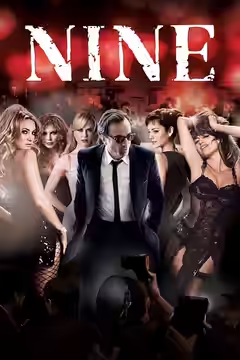
Tolkin was born in New York City in 1950 and graduated from Middlebury College in 1974. His other screenwriting credits include Gleaming the Cube (1989), Deep Cover (1992), Deep Impact (1998), Changing Lanes (2002) and Nine (2009). He created the miniseries The Offer (2022) and co-created Escape at Dannemora (2018).
He is the son of comedy writer Mel Tolkin and studio executive Edith Tolkin. Tolkin lives in Los Angeles with his wife, author Wendy Mogel.