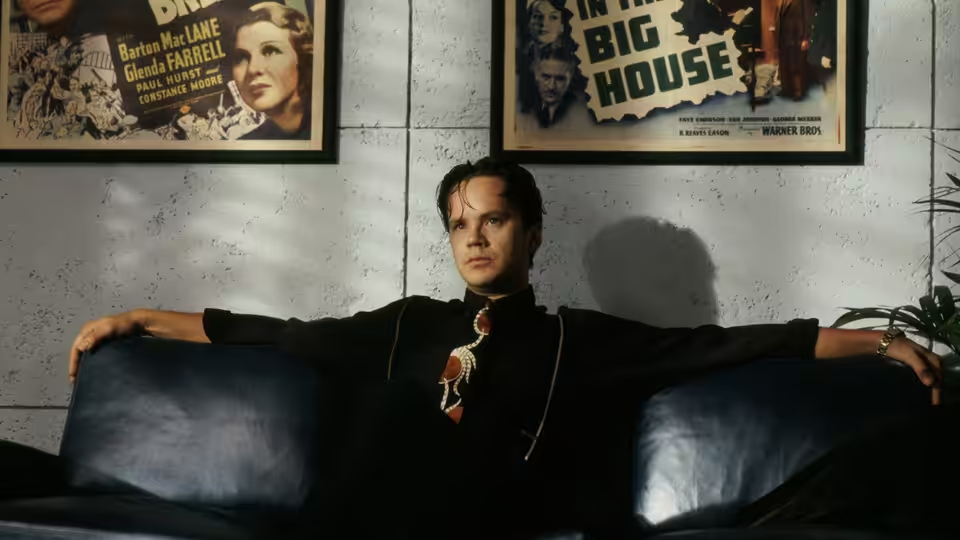
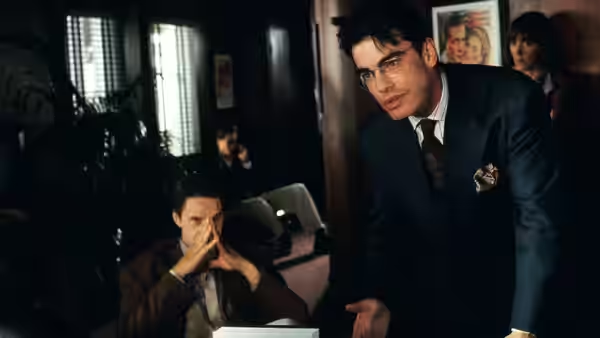
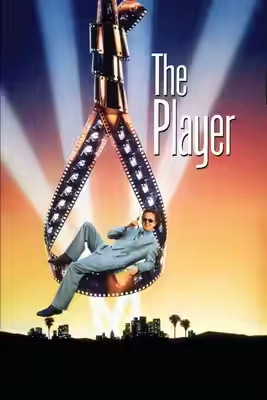
Robert Altman’s Hollywood satire is funny, assured and carried by Tim Robbins’s unnervingly agreeable studio executive. We recommend it, though the famous guests occasionally get more attention than the story needs.
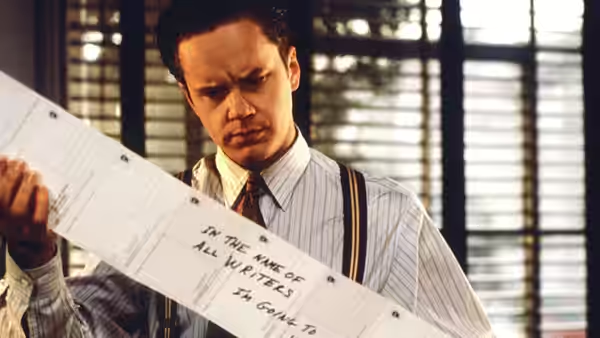
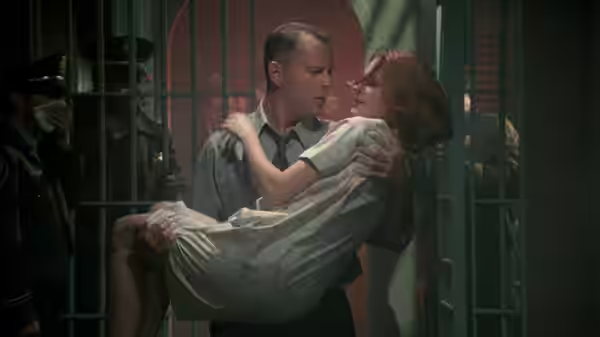
Robert Altman’s The Player is a sharp, funny Hollywood satire, and its thriller keeps the industry jokes from becoming the whole evening. We recommend it, though its delight in knowing everybody can soften its judgement of them. Michael Tolkin’s screenplay asks us to spend time with people who can make their professional self-interest sound perfectly reasonable. At the centre is Tim Robbins as Griffin Mill, a studio executive.
Jean Lépine’s opening tracking shot lasts eight minutes, long enough for us to start looking beyond the trick of keeping it going. We were delighted by its unhurried movement; being allowed to look without a cut constantly redirecting us is a considerable pleasure. The length matters because Altman wants us interested in the film business as well as in Griffin. Beginning with a conspicuous piece of filmmaking is an apt way into a story about the people who decide what gets made.
Robbins is good at making Griffin’s charm feel practised without making it look effortful. We can see the self-interest, yet the performance never becomes a collection of signals telling us to disapprove. That matters in a satire whose central figure needs to remain plausible company, even when his values repel us. Altman trusts Robbins to keep us interested without offering an assurance that there is a better man underneath.
Stephen Altman and Ken Kaufman’s production design gives the Hollywood setting enough everyday solidity for Griffin’s conduct to seem part of a working routine. The surroundings help us accept the people before we have decided what to make of them. Thomas Newman’s music keeps an unease underneath the comedy, so the thriller never feels like an optional extra. The score supports the changes of tone without making every amusing exchange sound like advance notice of trouble.
The editing by Maysie Hoy and Geraldine Peroni lets the longer takes establish a measured pace. Mostly that patience pays off, giving us time to enjoy the company without forgetting Griffin. At 124 minutes, though, the film occasionally gives its famous visitors more attention than the story needs. The celebrity appearances can leave us briefly outside a joke everyone else already knows. A few hold things up while we identify another face.
As Hollywood satire, it is strongest when it makes the industry’s bad habits seem socially acceptable. Robbins’s charm is essential to that, but the film’s pleasure in its celebrity guests can also make the consequences feel comfortably distant. We wanted a little more anger about what happens to filmmaking when men like Griffin make the decisions. Altman does at least leave us to reach that irritation ourselves, without stopping the entertainment to deliver a lecture.
Allow it time to settle into its own pace; treating every famous face as something to tick off will only make the interruptions feel longer. The thriller is accessible without an education in Hollywood, and Robbins gives us a reason to remain attentive when the industry turns inward. Choose it for an evening of sour comedy, provided a little insider self-satisfaction does not put you off.