Milo O'Shea made supporting characters hard to overlook, using those bushy eyebrows and a sharp sense of comic timing. We rate him highly, but the films around him were less dependable.
Fi1m perspective
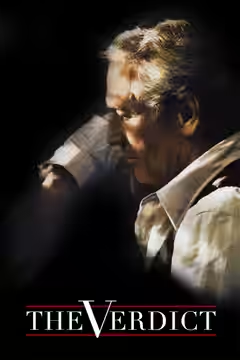
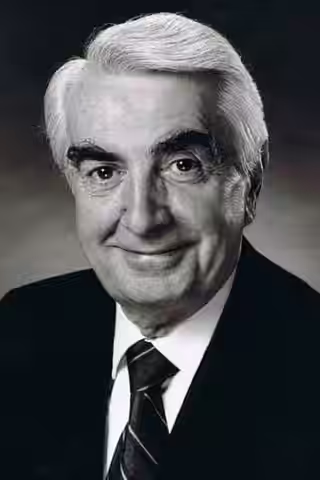
Milo O'Shea's bushy eyebrows suggest mischief before he has said anything. That impish look did not oblige him to be likeable: his Judge Hoyle in Sidney Lumet's The Verdict (1982) is an unsympathetic presence opposite Paul Newman. We found Hoyle unpleasant company, because O'Shea gives us little reason to warm to the man exercising authority. The performance belongs in a film whose acting earns much of the patience its solemn pace demands.
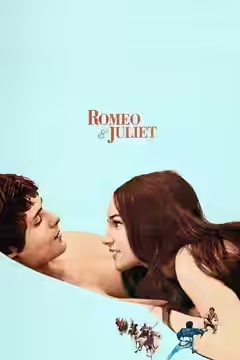
His film breakthrough was Leopold Bloom in Ulysses (1967), before supporting roles became the more familiar pattern. Barbarella (1968) put his comic timing to work as Durand-Durand, while Romeo and Juliet (1968) gave him Friar Laurence. In the 1970s he moved into American character work, continuing in films and television through the 2000s. The recurring priests, judges and authority figures made practical use of a performer who could be expressive without needing much dialogue.
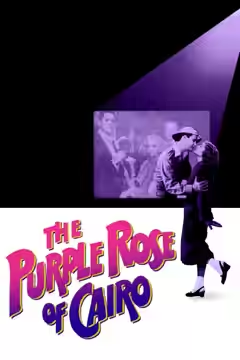
The Purple Rose of Cairo (1985), directed by Woody Allen, gives him another priest, Father Donnelly. We recommend the film for its humour and tenderness, though Mia Farrow's painfully convincing need to escape is the main reason to watch. O'Shea has a place in the supporting company, and we would not sell this as a film built around his gifts. Some of those surrounding characters are thinly written, a limitation worth remembering when a familiar name in the credits prompts the choice.
We would choose individual titles rather than recommend working through the credits. The film career was largely supporting work, and too many of the films offer less than his comic timing and physical expressiveness promise. Lumet provides a sound starting point, placing Hoyle opposite Newman's worn-down Frank Galvin in a legal drama we find moving despite its self-important stretches. Begin with The Verdict, and give it an evening when nobody is watching the clock.
Biography
Milo O'Shea was an Irish actor. Born in Dublin in 1926, he began his career on the stage in Ireland and Britain before moving into film and television.
He played Leopold Bloom in the 1967 film Ulysses, for which he received a BAFTA nomination for Most Promising Newcomer. O'Shea appeared as Judge Hoyle in The Verdict (1982), Friar Laurence in Romeo and Juliet (1968), and Durand-Durand in Barbarella (1968). His television roles included appearances in Cheers, Frasier, The Golden Girls, Oz and The West Wing.
On stage he received Tony Award nominations for Staircase (1968) and Mass Appeal (1982). O'Shea died in 2013.