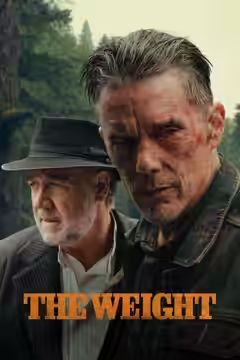
An editor for twenty-five years before he directed a feature, Padraic McKinley cuts a set piece with patience and the walk between them with a heavy hand. The Weight shows both, and shows that an editor's virtues do not carry over to directing on their own.
Fi1m perspective
The best minute in The Weight (2026) is spent looking at rope. A party of prisoners has to get stolen gold across a bridge that was never built for it, and Padraic McKinley, directing his first feature, keeps the camera on the knots and the fraying rather than on the men's faces. It is an editor's decision: he trusts us to supply the fear if he shows us the thing that might give way. We sat forward with our jaws set, willing a knot to hold, and nothing in the film's talkier passages came close.
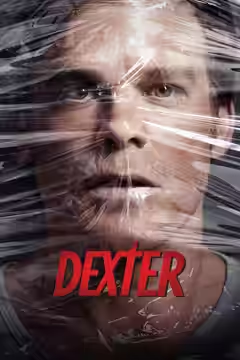
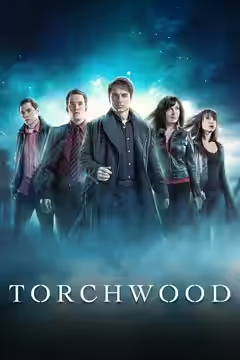
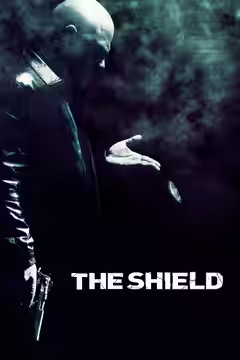
He had been making decisions like that for other people for a quarter of a century. He started in post-production in the late 1990s as an editorial assistant and music editor, cut his first feature, Igby Goes Down, in 2002, and then spent most of his working life in television: The Shield (2002), where we noted the editing kept a firm pace across a large cast without making time away from Michael Chiklis feel like an interruption; Dexter (2006); Torchwood (2006–2011); and forty episodes of Kingdom (2014–2017), where he also produced and directed. Four features with Burr Steers, among them 17 Again (2009), and later Pride and Prejudice and Zombies (2016), fill out a CV that looks, from outside, like a dependable craftsman's rather than an artist in waiting. That is not an insult. Television needs people who can make an hour move.
The Weight is what happens when that person is handed the whole picture. It is a survival film in the 1970s manner, men and weather and gold and a long way to go, done with rope and water rather than computers, and McKinley has said William Friedkin and Peter Weir were on his mind. When the film gives its people something to lift, he is good; the rope bridge and a later river crossing are staged with patience. Ethan Hawke, saying almost nothing, holds the rest together, and Hawke and Russell Crowe have each worked with him twice. McKinley seems to be an actors' director before he is anything else.
The trouble is in the joins, which is an odd place for an editor to have trouble. He cut the film himself, with Matthew Woolley, and the walking between set pieces is edited with too heavy a hand, so the middle third feels longer than the miles could justify. The film has nobody in it but Hawke, and he is not a talker. And the last ten minutes take the kinder road when everything before has argued for the harder one. We left feeling let off rather than released.
He has his own line on this: "Be influenced, but do you. Write you. Shoot you. Cut you." The first half of The Weight does the influenced part well. What we would like next is a film that keeps the ropes and loses the mercy.
Biography
Padraic McKinley is an American film and television editor, producer and director. Born on 15 August 1974 in San Francisco, California, he began his career as a music editor before moving into picture editing.
He has edited numerous feature films, including Igby Goes Down (2002), 17 Again (2009), Charlie St. Cloud (2010), Homefront (2013), Pride and Prejudice and Zombies (2016) and The Weight (2026). His television editing credits include episodes of The Shield (2002), Dexter (2006), Lie to Me (2009) and all 40 episodes of Kingdom (2014–2017).
McKinley has also directed episodes of series such as Kingdom and the documentary series Fightworld (2018). He made his feature directorial debut with The Weight (2026), which he also edited. He has produced or executive produced series including The Loudest Voice (2019) and The Good Lord Bird (2020).