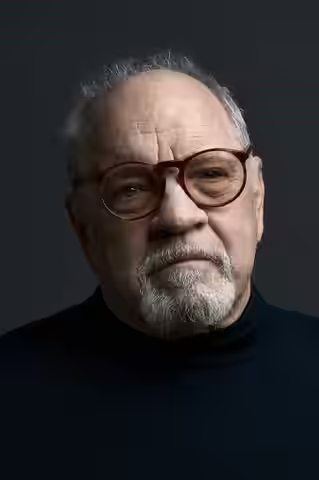
Paul Schrader makes lonely men frighteningly understandable. We value the patience and dark humour of his writing, though his devotion to their distress can leave the other people in his films with too little room to speak.
Fi1m perspective
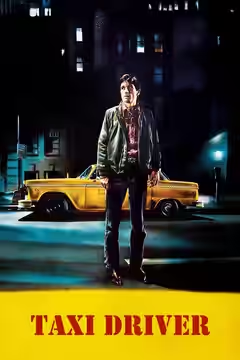
In Taxi Driver (1976), Travis Bickle has our attention before he has earned our trust. Robert De Niro’s reserve lets Schrader’s writing draw us close without making that closeness comfortable. We were frightened by how readily we felt sorry for Travis when the film had given us reasons to distrust him. Schrader’s jokes briefly ease the strain without making the man easier to live with. Martin Scorsese and editors Tom Rolf and Melvin Shapiro give us little relief from his company.
That concentration on one man also drives Raging Bull (1980), another collaboration with Scorsese, though Jake LaMotta’s companions make themselves harder to overlook. In the screenplay credited to Schrader and Mardik Martin, Jake gives other people little chance to be heard. Cathy Moriarty’s watchful Vickie and Joe Pesci’s quick-talking Joey help those encounters hold our interest beside De Niro. The writing needs what these actors supply: other people whose thoughts matter even when Jake has no interest in them.
Directing, which he began with Blue Collar (1978), gave Schrader more ways to put a man’s private thoughts on screen. In Mishima: A Life in Four Chapters (1985), he sets black-and-white biography beside theatrical versions of the novels, with Ken Ogata holding the shifts together. The changes of style help us understand a writer who wants his life to justify his writing. Yet the beauty of those novel sequences can make his obsessions too persuasive. Schrader needs to question Mishima’s convictions as closely as he examines his work.
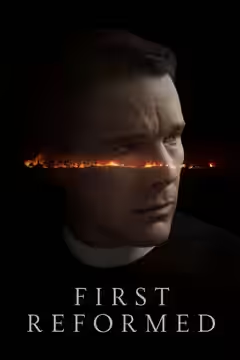
First Reformed (2018) brings the scrutiny back to long, quiet scenes and Ethan Hawke’s Pastor Ernst Toller, whose ability to comfort others is failing. Schrader gives his faith, guilt and environmental despair time to become uncomfortable, and Hawke makes the severity quietly frightening. It falters when the screenplay presses the connection between the church and environmental harm so firmly that the characters seem arranged to secure our agreement. Those passages, and the more extravagant choices, are less convincing than the patient attention to Toller.
The Card Counter (2021) and Master Gardener (2023) extend that later concentration on isolated men. We have no objection to returning to such company, provided the people around them are allowed to interrupt. Start with Taxi Driver, then try First Reformed for the quieter discomfort.
Biography
Paul Schrader is an American screenwriter, film director and critic. He wrote the screenplay for Taxi Driver (1976) and the screenplay for Raging Bull (1980).
Born in Grand Rapids, Michigan, Schrader attended Calvin College and studied film at UCLA. He worked as a film critic and scholar, publishing Transcendental Style in Film: Ozu, Bresson, Dreyer (1972), before beginning screenwriting in 1974. He made his directorial debut with Blue Collar (1978), co-written with his brother Leonard Schrader.
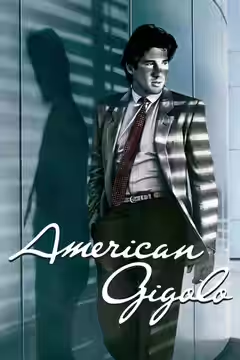
Schrader has directed numerous films, including American Gigolo (1980), Mishima: A Life in Four Chapters (1985) and First Reformed (2017). He has collaborated repeatedly with Martin Scorsese on screenplays including The Last Temptation of Christ (1988) and Bringing Out the Dead (1999).