Phoebe Waller-Bridge writes women who lie to everyone around them and tell the camera the truth. Fleabag is as good as half-hour television gets; the film work since is a sideline, and she is better than her recent parts.
Fi1m perspective
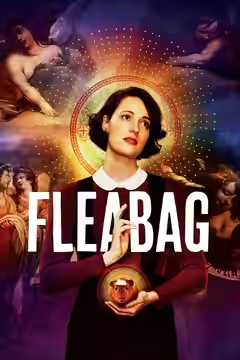
A woman in a conversation she would rather not be having glances at us without moving her head. That glance is the whole of Fleabag, and it is the one thing on television Phoebe Waller-Bridge owns outright. Plenty of characters talk to the camera. Hers does it to avoid talking to the people beside her, and the point is that we are the only ones she tells the truth to, and even then she leaves things out. Gary Dollner cuts the asides so short the other person has barely paused, and Harry Bradbeer and Tim Kirkby keep the camera close on her face, so for twelve episodes we watch her decide what to admit.
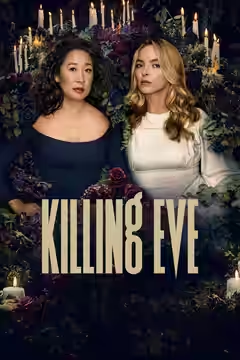
She started on stage. Fleabag was a one-woman play at the Edinburgh Fringe in 2013, written after years of not being cast and after she and Vicky Jones had set up DryWrite in 2007 to make their own work. The series came in 2016, the same year as Crashing, a comedy she created and acted in, set in a disused hospital. Then Killing Eve (2018), which she created and ran for its first series: a bored intelligence agent chases an assassin and the chase becomes an obsession for both. There is no camera trick this time, and it shows what else she has. "My instinct is the more serious the scene, the more I need to undercut it," she said of it, and she trusts Sandra Oh and Jodie Comer to make two cold women worth following.
The habits have costs. The first series of Fleabag is coarser than it needs to be, rude for its own sake before it works out what the rudeness is hiding. Killing Eve clears obstacles for its women whenever the plot has to move, and we forgave it because we wanted to see what Oh and Comer did next, which is a compliment to them and not to the investigation. Still, nothing she has done since has got at us like the moment late in the first series of Fleabag when she turns to us and has nothing to say. Waller-Bridge holds the pause exactly as long as the jokes before it, and we felt caught out, as if we had been laughing at a confession without hearing what was being confessed.
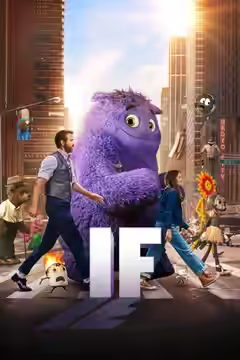
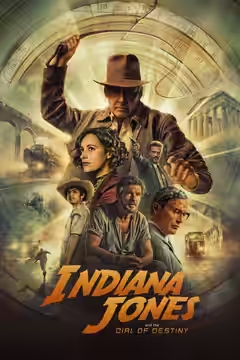
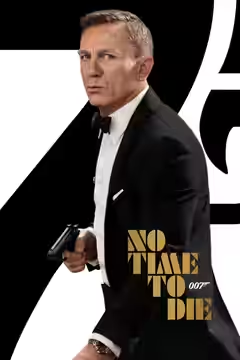
Since 2018 she has mostly worked in other people's pictures: a voice in Solo: A Star Wars Story (2018), a share of the screenplay for No Time to Die (2021), Helena in Indiana Jones and the Dial of Destiny (2023) and Blossom, an imaginary friend with a butterfly's face, in IF (2024). Helena is the better part, a thief in Joanna Johnston's borrowed suits, quick and funny and never once sentimental about Harrison Ford's Jones. Blossom is a good design and a small job. Neither film is much and neither is her fault. Watch both series of Fleabag, then the first of Killing Eve. The films are for completists. What we want next is not another franchise but another camera she is allowed to look into.
Biography
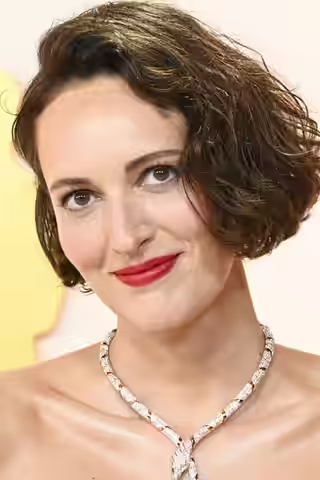
Phoebe Mary Waller-Bridge (born 14 July 1985) is an English actress, screenwriter and producer. She created, wrote and starred in the comedy series Fleabag (2016–2019). She also created and wrote the thriller series Killing Eve (2018–2022).
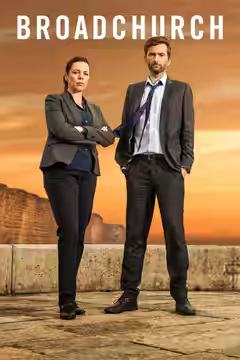
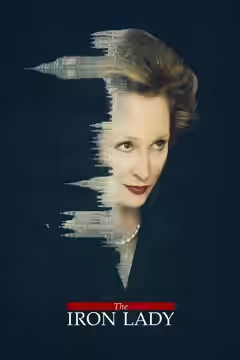
Waller-Bridge has acted in films including The Iron Lady (2011), Solo: A Star Wars Story (2018), No Time to Die (2021, as screenwriter) and Indiana Jones and the Dial of Destiny (2023) as Helena. She voiced Blossom in IF (2024). She also created the series Crashing (2016) and appeared in Broadchurch (2013).