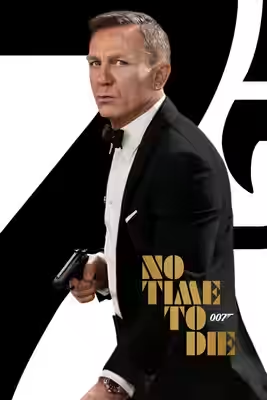
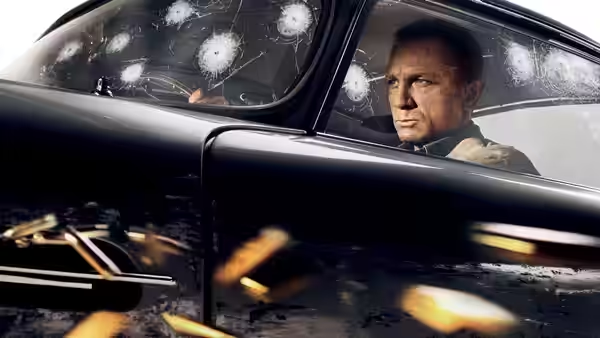
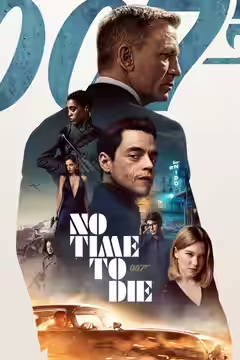
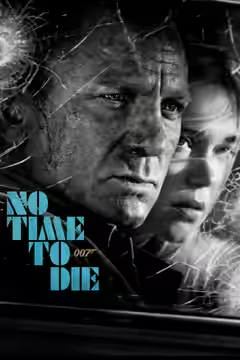
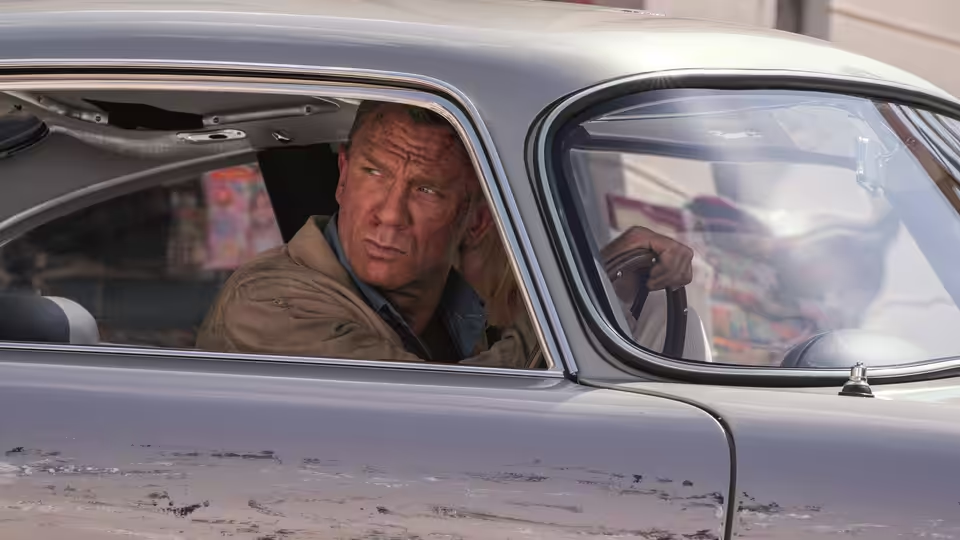
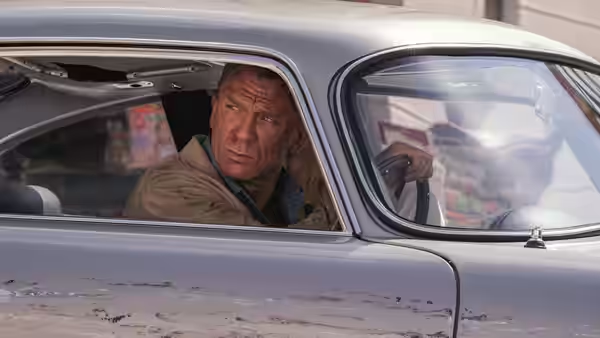
James Bond (Daniel Craig) looking out from the window of a silver car
Film review

No Time to Die

2021 · Directed by Cary Joji Fukunaga · 2h 43m · MPA PG-13

In a sentenceBond finally has feelings, and the film has 163 minutes to make sure we notice each one

James Bond (Daniel Craig) has left MI6 and is in Matera with Madeleine (Léa Seydoux), trying to trust a woman who has asked him to bury the past. The past comes for them anyway: gunmen on motorbikes, a chase through the hill town in the Aston Martin, and a parting at a railway station. Five years on, Bond is fishing in Jamaica when Felix Leiter (Jeffrey Wright) turns up with a job. Valdo Obruchev (David Dencik), a scientist working on a secret weapon for M (Ralph Fiennes), has been snatched from a London laboratory, and the trail leads to a party in Havana. Bond also finds he has a rival: Nomi (Lashana Lynch), the new agent carrying his old number.

Plays from YouTube when you press play; nothing loads from them until then.

Fi1m review

Daniel Craig’s fifth and final Bond is handsome, sincere and too long. It opens with one of the series’ best action sequences and closes with real feeling; the plot in between, and the villain carrying it, do not earn the 163 minutes.

Cary Joji Fukunaga’s No Time to Die is the fifth and last of Daniel Craig’s Bond films, and it knows it. Every scene is a farewell to something: to Madeleine (Léa Seydoux), to the 00 number, to the Aston Martin, to the idea of Bond as a man who feels nothing. It runs 163 minutes, the longest in the series, and about a hundred of them are good. The rest is plot, and the plot is the problem.

The opening in Matera is the best stretch. Bond and Madeleine are on holiday in the hill town, in love and uneasy, and Fukunaga lets that sit before the motorbikes arrive. Linus Sandgren shoots the town in honey light, the stone the colour of toast, and when the ambush comes the Aston Martin ends up spinning in a piazza with bullets bouncing off the glass while Craig sits inside deciding whether he can be bothered to live. Tom Cross and Elliot Graham cut it tight and clear; we always know where the car is and where the men with guns are. It is a proper Bond sequence, and the film never quite matches it again.

Cuba, forty minutes later, comes close. Bond and a nervous new agent called Paloma (Ana de Armas) gatecrash a party in Havana in evening dress, and for ten minutes the film is funny, fast and flirtatious in a way the Craig years have mostly avoided. Phoebe Waller-Bridge’s fingerprints are on the dialogue here and in the scenes with Ben Whishaw’s Q, who has a boyfriend coming round for dinner and a kitchen full of Bond and Moneypenny (Naomie Harris) at the wrong moment. Lashana Lynch’s Nomi, who has inherited the number 007 while Bond fished in Jamaica, is sharp and dry and given too little to do once the story moves indoors.

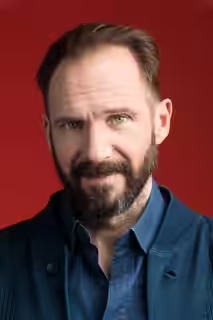
The story moves indoors a lot. Valdo Obruchev (David Dencik) has been stolen from an MI6 laboratory along with a weapon that gets explained at least four times, and the explanations do not improve. The script, credited to Neal Purvis, Robert Wade, Waller-Bridge and Fukunaga, keeps stopping so that Ralph Fiennes’s M can look guilty and Rory Kinnear’s Tanner can read out a briefing. Christoph Waltz returns as Blofeld for a single scene in a glass cell, and the scene is over before he has finished being menacing. Somewhere in the middle hour we found ourselves restless, counting the rooms in which people stand and describe the danger, and we were annoyed at being restless in a film that had begun so well.

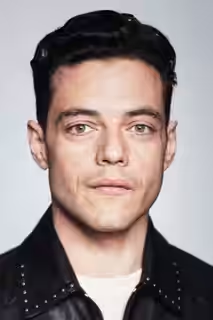
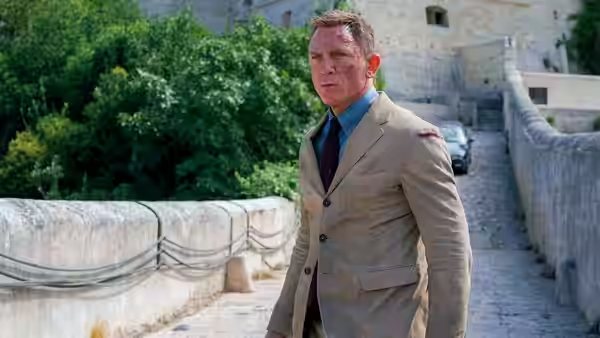
Rami Malek’s Safin is the weak point. He whispers, he wears a cracked white mask in the prologue and a long coat later, he talks about tidiness and gardens, and he never once seems to want anything specific. Mark Tildesley builds him a base of Soviet concrete with a poison garden at its heart, one of the best sets in the series, and the villain rattles around in it like a lodger. Suttirat Anne Larlarb dresses Craig well throughout, a cream jacket in Jamaica, a dinner jacket in Havana, and puts Safin in clothes that seem to be doing the acting for him.

And then the last stretch, which we will not describe. What we can say is that Hans Zimmer has been threading John Barry’s “We Have All the Time in the World” through the score since Matera, and when the tune arrives in full it did to us exactly what it was designed to do. Craig plays the closing scenes with a stillness he has been building toward since Casino Royale (2006), and Seydoux, given more to play than she had in Spectre (2015), meets him. We were moved, more than we expected, and slightly cross about how much plot we had sat through to get there.

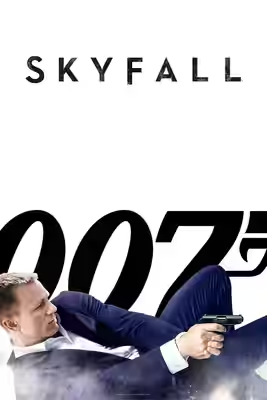
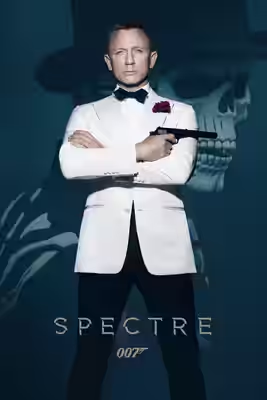
Set against the Craig run, it sits below Casino Royale and Skyfall (2012) and above Spectre, which is roughly where most critics have put it. It wants to be an ending more than it wants to be a thriller, and the two jobs keep getting in each other’s way. See it for Matera, for Havana and for the last twenty minutes; bring patience for the hour in between. It carries a 12A, which the violence tests more than once.
Critical consensus AI synthesised

70
Positive
17
Mixed
3
Negative
5

Most critics like it, and most of them for the same reason: Daniel Craig. The reviews agree his farewell performance is layered and human, and that the film’s decision to give Bond feelings, grief and a domestic life pays off. The Matera opening and the Havana sequence with Ana de Armas are the set pieces named most often, and Cary Fukunaga’s direction is praised for finding tenderness in the character without dropping the spectacle. Four British publications give it full marks.

The reservations cluster around length and plot. Even admirers call the story convoluted and the pacing baggy, and the villain is a common complaint, described as monotonous or underwritten. The spread is wide: at the far end Slant Magazine finds it bloated and personality-free, Screen Daily thinks it lacks pleasure and wit, and Sight and Sound is unconvinced by the emotional storyline it is built on. Those dissenters are outnumbered, but they are not few.

The Guardian
29 September 2021 · ★★★★★ · Peter Bradshaw
100

The critic calls the film an epic barnstormer and weird self-aware epic. They single out Cary Fukunaga's terrific panache and the portrayal of a romantic, uxorious Bond unafraid to show his feelings.

Read the full review →
The Telegraph
3 October 2021 · ★★★★★ · Robbie Collin
100

The critic describes the film as an extravagantly satisfying last chapter to the Craig era. They single out the unfashionably colourful visuals and one of the great Bond action sequences in Matera.

Read the full review →
The Times
28 September 2021 · ★★★★★ · Kevin Maher
100

The critic declares the film magnificent and a huge thundering epic. They single out its heart as a moving portrait of an antiquated hero facing obsolescence and Fukunaga's expert direction.

Read the full review →
Time Out
29 September 2021 · ★★★★★ · Phil de Semlyen
100

Daniel Craig bows out with a feast of heart and spectacle, the best Bond since Casino Royale. It surprises with strong storytelling decisions, humour, visual grace notes and emotional sincerity.

Read the full review →
Variety
28 September 2021 · Critics Pick · Owen Gleiberman
85*

The critic calls it a terrific, briskly paced conventional Bond thriller and the best entry since Casino Royale, with high finesse and soul that delivers a satisfying emotional send-off for Craig. He singles out the ingenious weave of action, gadgets, quips, and romance that keeps the long runtime sharp and engaging.

Read the full review →
Empire
29 September 2021 · ★★★★ · John Nugent
80

The film dutifully ticks all the boxes but brilliantly does not always feel like a Bond film. Fukunaga finds vulnerability in the hero with a stunning finale that gives Craig the send-off he deserves.

Read the full review →

Straight answers AI written, from our review

Is No Time to Die worth watching?
No Time to Die is worth watching for anyone who has followed Daniel Craig's Bond and wants to see him out, and we scored it 67. The Matera opening, the Havana party and the final twenty minutes are the reasons to sit down; the hour of briefings and a villain who never wants anything specific are the reasons you will check the clock.
How long is No Time to Die, and what is it rated?
No Time to Die runs 2h 43m and is rated PG-13 by the MPA in the US. It is an action and thriller film.
Where can I watch No Time to Die in the US?
No Time to Die is available to rent from Amazon Prime Video and Apple TV from $3.99. Availability is checked daily; the links above go straight to each service.
How violent or frightening is No Time to Die, and is it suitable for children?
No Time to Die carries a 12A in the UK and its violence tests that certificate more than once, with motorbike gunmen, bullets on car glass and a whispering masked villain with a poison garden. It suits teenagers and older children used to Bond; younger or more squeamish viewers may find the shooting and the menace too much for a family evening.
How does No Time to Die compare to Spectre?
No Time to Die is the better of the two Craig Bonds, sitting above Spectre in our estimation, mainly because it has feeling where the earlier film has only handsome pictures. Spectre opens brilliantly and then reassembles old parts; the later film opens brilliantly and then tries to say goodbye, which it manages, at the cost of a slow middle hour.
Do you need to have seen the other James Bond films before No Time to Die?
No Time to Die is not the place to start with James Bond, because it is built as an ending and most of its weight comes from Daniel Craig's four earlier films. Newcomers will follow the plot well enough, but the farewells to Madeleine, Blofeld and the 00 number land properly only if you have seen at least Casino Royale and Spectre.

What should I watch after No Time to Die?
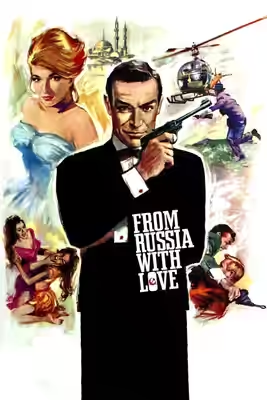
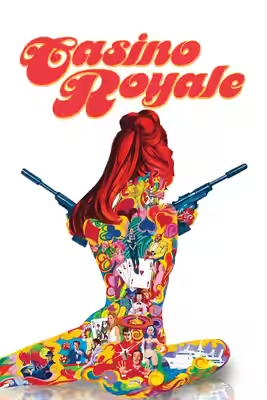
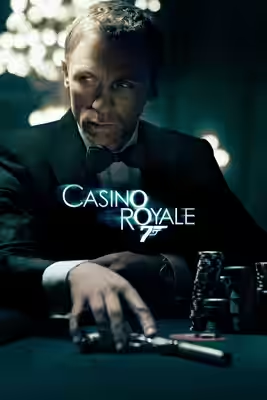
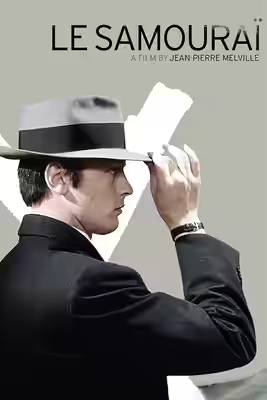
After No Time to Die, try Casino Royale (2006, Fi1m 86): Where Craig’s Bond began, leaner and crueller, with the best card game in the series. Then Logan (2017, Fi1m 83): Another franchise hero allowed to grow old, ache and say goodbye properly; and Le Samouraï (1967, Fi1m 88): Alain Delon in a trench coat, saying almost nothing; the cool Bond only pretends to.

What order should I watch the James Bond films in?
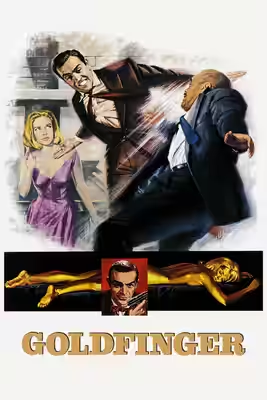
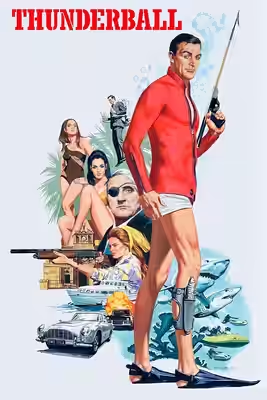
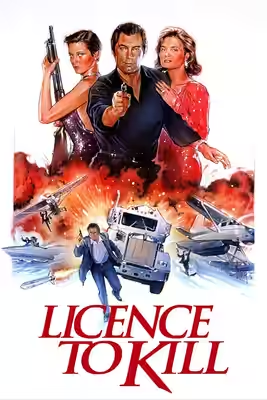
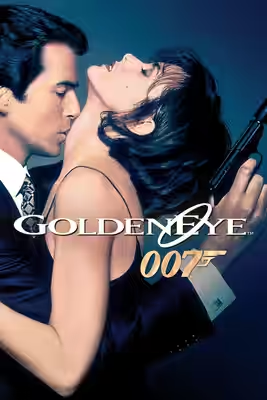
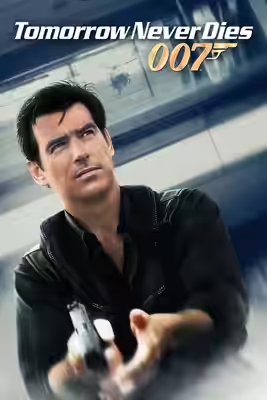
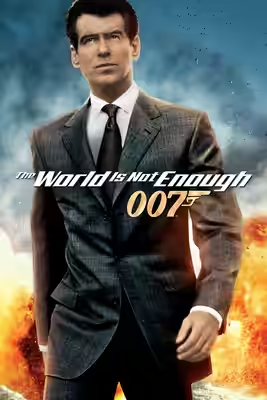
Release order is the safe choice for James Bond, and it is the order our collection page lists them in. No Time to Die is the most recent of the 27 James Bond titles on Fi1m; before it comes Spectre. The full order.

Part of · 27 of 27

James Bond

27 films on Fi1m · 1962–2021 · average 67 · best Casino Royale 86

All 27 in order

Cast

If you liked this, try…

  1. Casino Royale (2006, Fi1m 86)Where Craig’s Bond began, leaner and crueller, with the best card game in the series.

  2. Logan (2017, Fi1m 83)Another franchise hero allowed to grow old, ache and say goodbye properly.

  3. Le Samouraï (1967, Fi1m 88)Alain Delon in a trench coat, saying almost nothing; the cool Bond only pretends to.

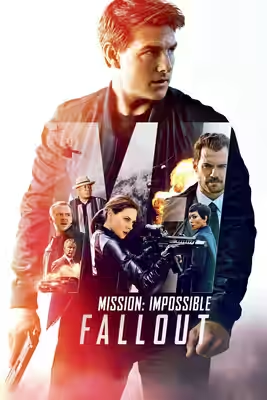
  4. Mission: Impossible – Fallout (2018, Fi1m 87)Set pieces built like clockwork and a hero who never stops to explain them.

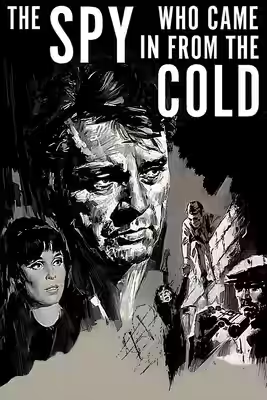
  5. The Spy Who Came in from the Cold (1965) · not reviewed yetRichard Burton’s tired, bitter agent is what Bond looks like without the tailoring.

Free account

Know what to watch tonight

Two lists that know where things are streaming, collections you can share, your own score beside ours, and Discover that remembers what you have seen.

  • Want to see, sorted by what is streaming now
  • Seen, with your score out of ten
  • No adverts, ever