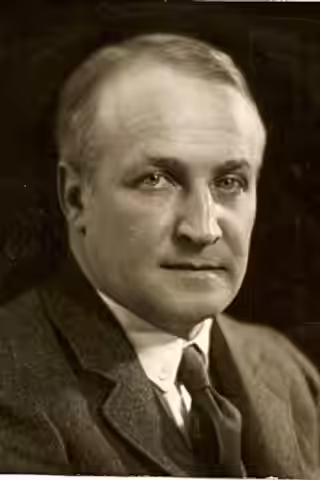
Robert J. Flaherty could make the building of an igloo absorbing. We value his patient, visually clear storytelling, while remaining wary of the staged encounters and outdated practices that make his subjects’ lives seem simpler than they were.
Fi1m perspective
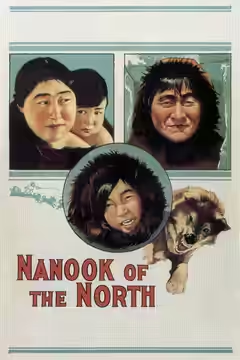
In Nanook of the North (1922), a slab of clear ice becomes a window, and a wedge of snow outside reflects light through it. Flaherty lets us see enough of the work to understand how it is done. We were delighted by that small piece of engineering, because the patient filming made an unfamiliar skill immediately clear. As writer, cinematographer and editor, he builds the story from things people do with their hands, allowing a practical task to hold our attention without hurrying it along.
The patience does not make him a neutral witness. Allakariallak’s encounter with a gramophone is arranged as a joke, and the intertitles encourage us to find him naïve. Flaherty shows hunting with harpoons when the men of the region already used rifles. We can admire his storytelling and still object to the ignorance he writes into his leading character.
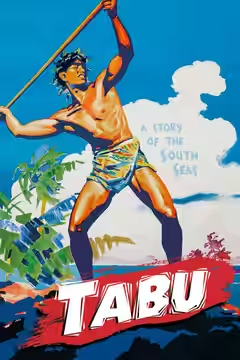
Moana (1926) took his work to Polynesia; Tabu: A Story of the South Seas (1931) put his storytelling beside F. W. Murnau’s. The screenplay also credits Edgar G. Ulmer, so its thin account of island life cannot fairly be blamed on Flaherty alone. Matahi and Anne Chevalier make the lovers matter, and Floyd Crosby’s photography benefits from the space the spare narrative leaves it. We recommend the film, though its concentration on the couple leaves us wanting to know more about the people around them.
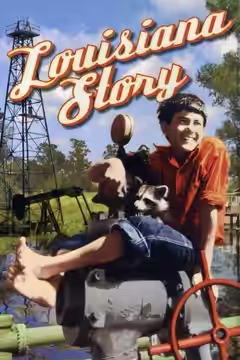
The British period brought Man of Aran (1934), including re-enactments of practices no longer current. The later American films turned towards more modern work: agriculture and mechanisation in The Land (1942), oil exploration in Louisiana Story (1948). Those subjects complicate the idea that Flaherty was interested only in an older, simpler life. Begin with Nanook of the North, and pay as much attention to what its hero can do as to what its titles ask us to believe.
Biography
Robert J. Flaherty was an American filmmaker who directed, produced, wrote, edited and photographed Nanook of the North (1922).
Born on 16 February 1884 in Iron Mountain, Michigan, he worked as a prospector and explorer in northern Canada before turning to film. He died on 23 July 1951 in Dummerston, Vermont.
His later films include Moana (1926), Man of Aran (1934) and Louisiana Story (1948). He collaborated with his wife Frances Hubbard Flaherty on several projects.