Scott Derrickson frightens with pictures, old film stock and a corridor that becomes a snowfield, and then he explains. A capable, sincere horror director whose films are at their best in the hour before the meaning arrives.
Fi1m perspective
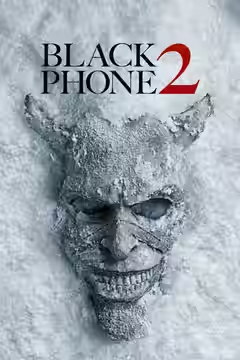
Sooner or later in a Scott Derrickson film the picture starts to skip and scratch, as if the projector were failing. It happened in Sinister (2012), and it happens in the dreams of Black Phone 2 (2025), where the colour drains to rust and pale blue and a bunk room becomes a snowfield between one shot and the next. He knows that damaged footage frightens people in a way clean digital does not. Then, almost always, he stops the film to tell us what it meant.
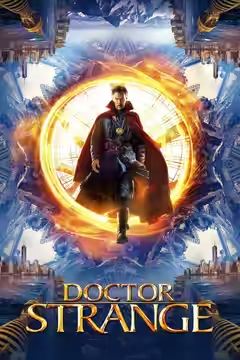
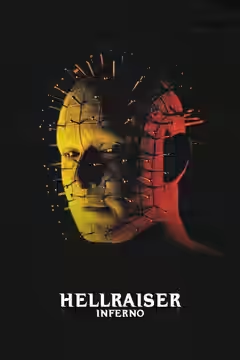
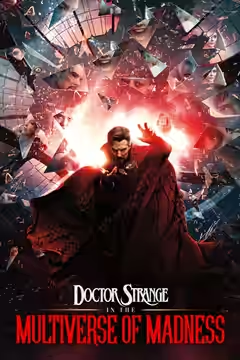
He came up through cheap horror, Hellraiser: Inferno (2000) and Urban Legends: Final Cut (2000), and found his footing with The Exorcism of Emily Rose (2005), the first of the possession stories he would keep coming back to. Sinister and Deliver Us from Evil (2014) followed. Then Marvel called. Doctor Strange (2016) folded New York like paper and gave the studio its strangest pictures to that point; it also retold the Iron Man story with a change of heart we were asked to take on trust. He left the sequel in 2020 over differences with the studio and went back to horror with The Black Phone (2021), which drew on his own childhood and which he has called the most personal film he has made. The Gorge and Black Phone 2 both arrived in 2025.
Nearly everything he has written since Sinister he has written with C. Robert Cargill, and the pair are good at premises: a phone in a basement that has no business working, a dead killer who has moved into a child's sleep. The craft around him is often first-rate. On Black Phone 2 Pär M. Ekberg shot the waking world in flat overcast grey and the dreams on grainy, skipping stock, Louise Ford cut between them without warning, and Atticus Derrickson's low electronic pulse stopped dead each time the film came back. That first hour frightened us properly, and it did it with pictures and silence, before anyone had explained a thing.
The explaining is the problem. Sinister over-explained its found footage; Black Phone 2 ends up delivering a sermon we did not order; Doctor Strange asks its hero to change and then simply tells us he has. Derrickson trusts his images and distrusts his audience, and the second habit keeps undoing the first. He also borrows openly, Wes Craven's A Nightmare on Elm Street (1984) most recently, and he tends to take the premise and leave the jokes behind.
He has a company he keeps, Cargill, Ethan Hawke, James Ransone, the producer Jason Blum, and horror is plainly where he belongs. The film we would like from him is the one that ends when the frightening stops, about twenty minutes before he thinks it should.
Biography
Scott Derrickson is an American film director, screenwriter and producer. He was born on 16 July 1966 in Denver, Colorado, and studied at Biola University and the University of Southern California.
Derrickson began his feature directorial career with Hellraiser: Inferno (2000). He is known for horror films including The Exorcism of Emily Rose (2005), which he co-wrote and directed, Sinister (2012) and The Black Phone (2021). He also directed the Marvel film Doctor Strange (2016).
In 2025 he directed, wrote and produced Black Phone 2, the sequel to The Black Phone, on which he collaborated again with C. Robert Cargill.