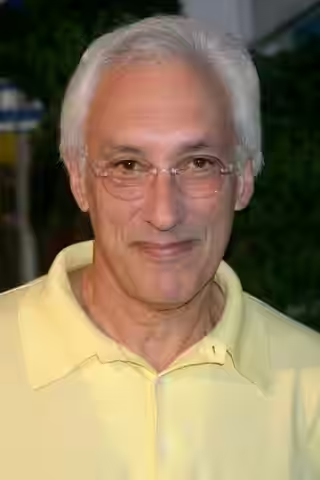
Steven Bochco made crowded workplaces worth returning to, giving the people around a case lives that continued after it closed. We value the compassion in his television, even when the characterisation is less careful than the storytelling.
Fi1m perspective
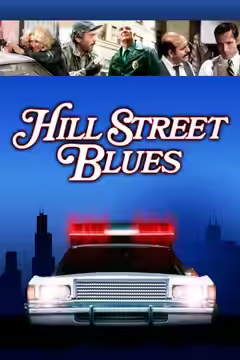
The officers in Hill Street Blues (1981) have personal difficulties that survive the end of an investigation. Bochco lets those difficulties run across episodes, so learning the ensemble’s names becomes part of getting to know people whose lives cannot be tidied up on schedule. We were moved by its willingness to stay with the officers’ troubles after the police work was done. That patience makes the supporting officers worth following, too; the case does not have to depend on them for their difficulties to matter.
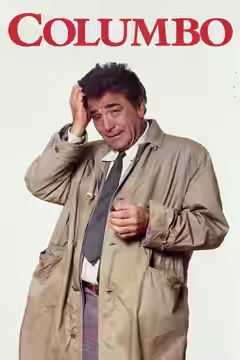
Bochco’s writing and teleplay work on Columbo (1971) came before that crowded ensemble. The pleasure there rests largely with Peter Falk’s patient questioning and the suspects’ misplaced superiority, though the routine can leave an episode feeling stretched. Co-creating Hill Street Blues with Michael Kozoll allowed Bochco to work with overlapping stories, continuing personal troubles and a larger share of attention for supporting officers. High drama and low humour sit together, and the officers remain recognisably fallible in both.
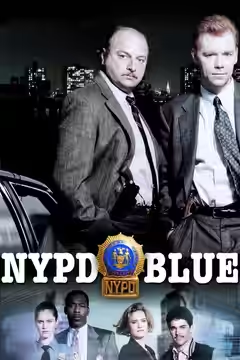
The same interest in working lives extended to lawyers in L.A. Law (1986), before another police collaboration with David Milch on NYPD Blue (1993). The latter pushed network limits on language, partial nudity and adult material, but those provocations are not the main reason to take Bochco seriously. More useful is the documentary-style approach, with handheld camerawork making station houses and courtrooms feel less arranged for our benefit. For a writer building such busy ensembles, that visual looseness helps: the people can seem to belong to a workplace rather than to arrive solely when the plot needs them.
The approach did not suit every experiment. Cop Rock (1990), his musical police drama, was a critical failure, and a willingness to try something awkward is not enough to make it work. The more relevant reservation is already there in Hill Street Blues: some characterisation has dated more than its storytelling. When the writing settles for those broad strokes, spending longer with a character does not necessarily make them more convincing. Start with Hill Street Blues, and give it enough attention to learn the names.
Biography
Steven Bochco was an American television writer and producer. Born in New York City on 16 December 1943, he died in Los Angeles on 1 April 2018. He graduated from Carnegie Mellon University with a BFA in theatre in 1966.
He began his career at Universal Studios as a writer and story editor on series including Columbo (1971). He later moved to MTM Enterprises, where he co-created Hill Street Blues (1981). Bochco created or co-created L.A. Law (1986), Doogie Howser, M.D. (1989) and NYPD Blue (1993). He won ten Primetime Emmy Awards over the course of his career.