Terrence Malick has spent fifty years pointing a camera at grass, light and water while a whispered voice asks what it all means. The pictures are why we keep going back; the questions are asked more often than they need to be. We rate him, with our patience prepared.
Fi1m perspective
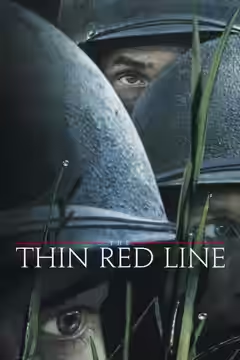
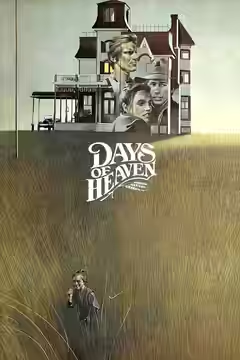
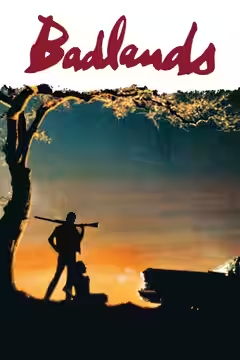
A man lies in the grass, or wades through it, and a low voice asks where the evil comes from, or what love is, or why anyone must die. Terrence Malick has been filming that shot, and asking that question, since Badlands (1973). The pictures are what bring us back. In Days of Heaven (1978) the wheat matters because work and money still decide what happens in it; in The Thin Red Line (1998) John Toll photographs the plants and animals with such care that the soldiers look like trespassers. We found those images unexpectedly upsetting, because they made the men's urge to destroy seem worse, and no line of narration did that work.
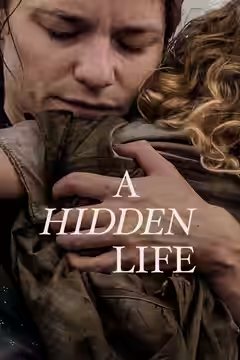
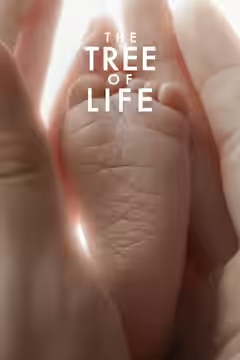
The career comes in two halves with a long silence between. Badlands and Days of Heaven arrived five years apart, then nothing for nearly twenty years, then The Thin Red Line, The New World (2005) and The Tree of Life (2011), which sets the beginning of the universe beside a boy's troubles with his parents and takes both seriously. From 2012 he became busier and looser, with To the Wonder (2012), Knight of Cups (2015) and Song to Song (2017), films most critics found indulgent and formless; we have not reviewed them. A Hidden Life (2019) came back to a story you can follow, about an Austrian farmer who will not swear an oath to Hitler.
What works is the method. He has said that when things become too prepared, the life comes out of them, and the films bear that out: Emmanuel Lubezki, his cinematographer on five of them, shoots in natural light in the last hour of daylight with a camera that drifts rather than sits, and Jack Fisk, on five as well, builds rooms people appear to have lived in. Actors do well in that air. Martin Sheen and Sissy Spacek make the lovers in Badlands compelling company, Linda Manz's dry narration keeps Days of Heaven from grandeur, and Jessica Chastain gives The Tree of Life a mother when the script wanted an emblem.
What does not work is the writing, which is awkward for a man credited as writer on all of it. The voiceover asks questions after the pictures have already raised them. Different soldiers in The Thin Red Line begin to sound alike. In A Hidden Life August Diehl shows the farmer's resolve and Malick then explains it again, while three editors let scenes overlap and return until we are waiting for the film to move on; The Tree of Life needed five editors and still repeats itself past the point.
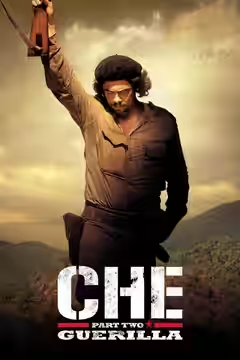
His best writing is probably in Badlands, where the lovers barely understand themselves and the film declines to understand them on their behalf. His oddest credit is a shared screenplay on Steven Soderbergh's Che: Part Two (2008), which keeps close to Guevara's campaign diary and explains nothing at all. He is at his best when he trusts the picture and says nothing. Give him an uninterrupted evening, and expect to be told the important thing twice.
Biography
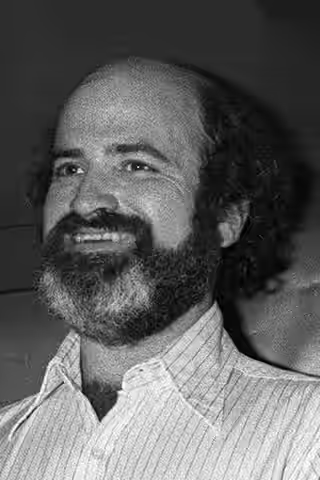
Terrence Malick is an American film director and screenwriter. He was born on 30 November 1943 in Ottawa, Illinois. His early feature films as director and writer are Badlands (1973) and Days of Heaven (1978).
After a long hiatus Malick returned with The Thin Red Line (1998). Subsequent films include The New World (2005), The Tree of Life (2011), To the Wonder (2012), Knight of Cups (2015), Song to Song (2017) and A Hidden Life (2019). He wrote the screenplay for Che: Part Two (2008).