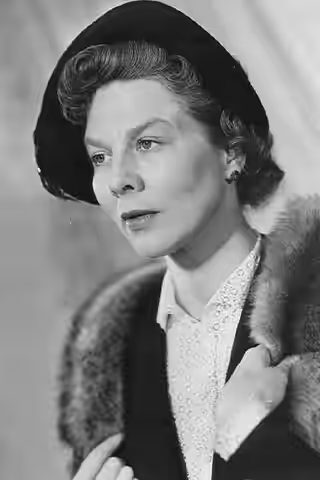
Wendy Hiller played clever, unsentimental women who had worked out exactly how much feeling they could afford. She made few films across five decades and chose them with care; the hotel manager in Separate Tables is the place to start.
Fi1m perspective
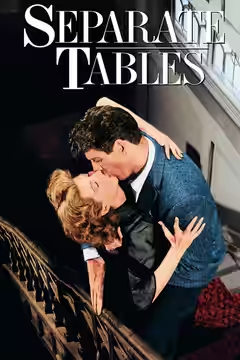
Watch Pat Cooper in Separate Tables (1958) run her hotel. She takes the bookings, settles the squabbles at the dining-room doors, and gives nothing away to anyone, and Hiller lets us see that the composure costs her something and that she has judged the cost worth paying. David Niven and Deborah Kerr are doing the film's best work in the same rooms, and Hiller does not compete with them. She stays at the edge of the frame until the film needs someone to hold it together, and then she is the one holding it. We found ourselves watching her when the plot had gone elsewhere, and what moved us was how little she asked of us: not a line of hers pleads for sympathy, and we gave it anyway.
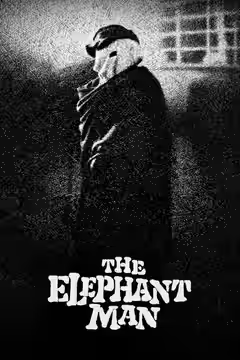
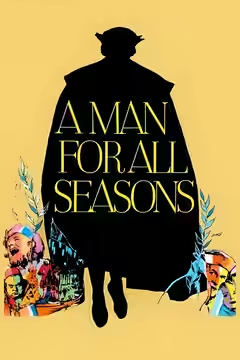
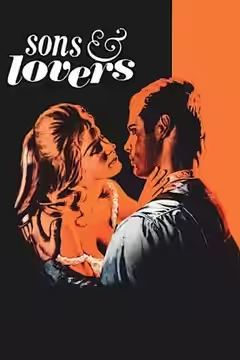
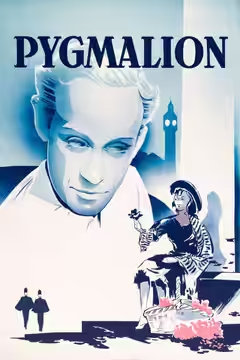
She came to the screen from the stage and never really left it. She joined the Manchester Repertory Company at around 18, made her name as Sally Hardcastle in Love on the Dole in London in 1935 and New York in 1936, and that led to Shaw, who wanted her for his heroines and got her as Eliza Doolittle in Pygmalion (1938). After that the films came rarely and by choice: Gertrude Morel in Sons and Lovers (1960), Alice More in A Man for All Seasons (1966), the nurse Mothershead in The Elephant Man (1980), with theatre work continuing into the early 1990s. She put it plainly herself: "I tried to make only films that were rather special and have stature and to play only roles that were undull."
What she did that other actresses of her period did not was refuse to soften. The face was sculpted and unconventional, the voice unmistakable, and she used both to play intelligence rather than charm. Her women are hoteliers, mothers, wives of difficult men, and they are bitter or resilient or both without ever being sorry for themselves. In Pygmalion the flower girl becomes a lady with almost no visible effort from the actress, which is the hardest trick of the lot. In The Elephant Man she is the stern presence in a film we admired for its compassion, and she is part of why that compassion feels earned rather than assumed.
The only complaint anyone has ever made is that there is not more of it. Five decades produced a handful of films, and the theatre kept the rest. That is a loss for us and was plainly not one for her.
Start with Separate Tables, and when Burt Lancaster and Rita Hayworth take over the foreground, do what the residents do and look at the far side of the dining room. Hiller will be there, keeping the place running, and she will not have noticed you are watching.
Biography
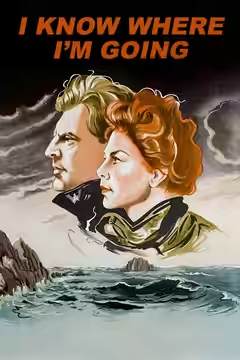
Dame Wendy Hiller was an English stage and film actress. She joined the Manchester Repertory Company at the age of 18 and made her London debut in 1935 in Love on the Dole. Her early film roles included Eliza Doolittle in Pygmalion (1938) and the lead in I Know Where I'm Going! (1945).
Hiller received an Academy Award for Best Supporting Actress for Separate Tables (1958). Other notable film performances include Alice More in A Man for All Seasons (1966), Prinzessin Dragomiroff in Murder on the Orient Express (1974) and Mothershead in The Elephant Man (1980). She was created a Dame of the British Empire in 1975 and continued working on stage and screen into the 1990s.