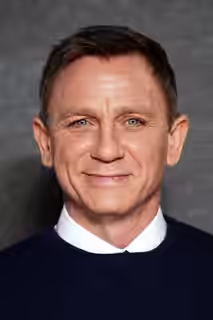
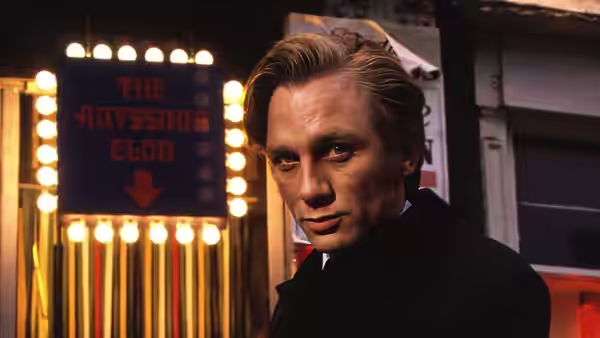
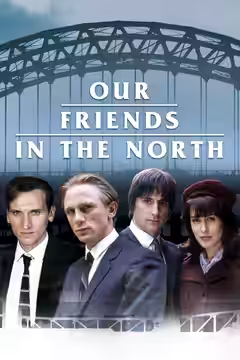
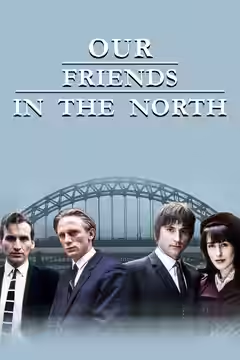
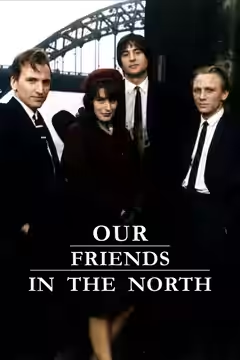
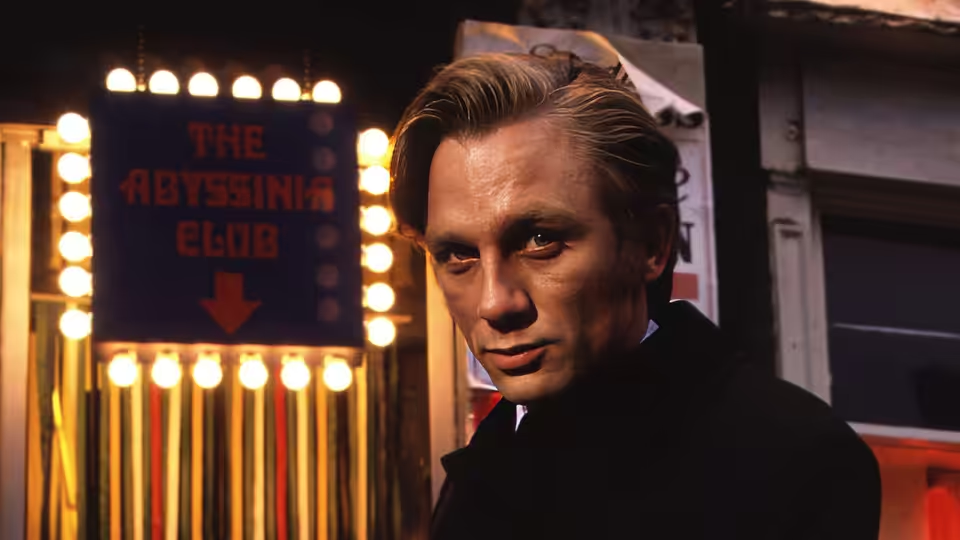
Geordie Peacock (Daniel Craig) stands outside The Abyssinia Club at night
Series review

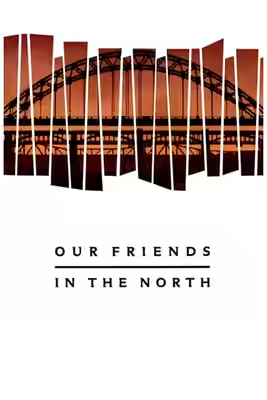
Our Friends in the North

1996 · Created by Peter Flannery · Series · 1h 10m

In a sentenceNine episodes, and we still care who can bear to sit in the same room

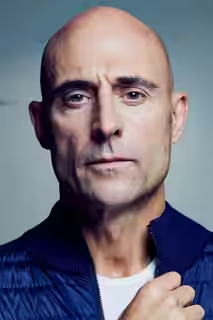
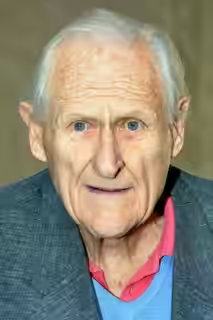
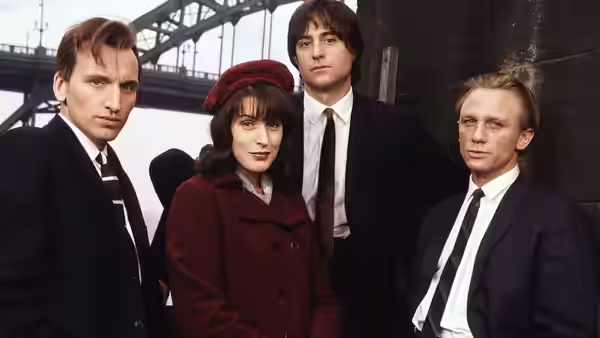
Four friends follow diverging paths across three decades in Peter Flannery’s nine-part drama, where private lives develop alongside political change. Christopher Eccleston plays Nicky Hutchinson, Mark Strong plays Terry ‘Tosker’ Cox and Daniel Craig plays Geordie, with Peter Vaughan as Felix Hutchinson and Alun Armstrong as Austin Donohue. Real events enter a story concerned with friendship, missed opportunities and the ways public decisions reach into domestic life. The series approaches those lives through left-wing politics, moving between the friends’ personal circumstances and the wider forces that shape the choices available to them.

Fi1m review

Our Friends in the North earns its length through performances that make political disappointment painfully personal. Peter Flannery sometimes rushes the public history, but the domestic scenes have the patience, warmth and difficult silences that keep us watching.

Our Friends in the North is a political drama worth the long acquaintance it asks us to make. Across nine episodes, writer Peter Flannery gives four friends room to change over three decades, with real events pressing on their private lives. The pleasure is in discovering how much weight a conversation can carry once we have spent enough time with the people having it. The history is sometimes hurried, but the series is good enough at embarrassment, affection and disappointment to make its scale feel necessary.

Christopher Eccleston’s Nicky Hutchinson gives the drama much of its urgency: even stillness seems to require effort from him. Mark Strong, as Terry ‘Tosker’ Cox, is a useful counterweight, with a directness that stops scenes becoming solemn discussions of what everyone represents. Daniel Craig’s Geordie holds our attention without making every feeling easy to read. There is pleasure in the difference between these performances, and Flannery allows the actors to sound distinct even when they are dealing with shared concerns.

We were moved by Peter Vaughan’s Felix Hutchinson; his hesitations make an ordinary conversation feel like something he may not get through. Flannery is particularly good at conversations in which people come close to saying what they mean and then fail. These passages have a patience the political material sometimes lacks, allowing awkwardness to remain awkward without a quick line to tidy it away. They are also where the programme’s warmth becomes most apparent, because it stays interested in people even when they are making themselves difficult to like.

The direction, credited to Pedr James, Simon Cellan Jones and Stuart Urban, is strongest when it gives an exchange time to settle. Rob Hinds’s production design gives the rooms enough everyday familiarity for the performances to remain the centre of attention. James Keast’s costumes help the passage of time register without making each change of appearance a distraction. Colin Towns’s music supplies emotional emphasis that the faces seldom need, though its quieter contributions work well. The actors are already giving us plenty to notice.

The trouble comes when Flannery has to get the wider political story through the available space. Developments that need the patient attention given to private disappointments can feel reduced to the next piece of information, and the shift in pace is noticeable. The left-wing viewpoint is clear enough, but the series sometimes seems to assume that sharing its sympathies means needing less explanation. We wanted more time to understand how decisions acquire force, especially when the domestic scenes have shown such care over why one person says something to another.

By the standards of ensemble television, this is unusually good at making a return to familiar people feel worthwhile. The performances let us change our minds about a character, sometimes within a single conversation, without insisting that we settle on a final judgement. An awkward exchange carries the weight of earlier scenes, and Flannery seldom needs to explain why it matters. Give these episodes your full attention, and leave some time between them if that is what it takes.

Critical consensus AI synthesised

3 of 6
Positive
3
Mixed
0
Negative
0
Radio Times
· Gabriel Tate
90*

The critic calls Peter Flannery’s nine-part 1996 drama a regular entry on lists of the greatest television series for its ambition, humanity and ideas. It follows four friends whose lives diverge over three decades while incorporating real events and left-wing politics, with its acuity still undiminished today.

Read the full review →
The Guardian
19 July 2011
80*

The critic praises the series' ambition, scope and quality, along with its naturalistic dialogue, elegant camerawork and seamless blend of the social, personal and political. Later episodes show some decline into soap-opera territory and miss key historical events, but the memory and overall achievement remain undiminished.

Read the full review →
The Independent
12 March 1996
70*

The series succeeded in finding an audience for political material by rooting it in emotionally detailed personal lives. It excels in intimate domestic scenes capturing missed opportunities but is weaker in its compressed political elements.

Read the full review →

Straight answers AI written, from our review

Is Our Friends in the North worth watching?
Our Friends in the North is worth watching for anyone prepared to give nine episodes their full attention, and we scored it 88. Peter Flannery's political drama follows four friends across three decades, and its strength is the domestic scenes, where Christopher Eccleston, Mark Strong, Daniel Craig and Peter Vaughan make disappointment personal. The wider political history is sometimes hurried, which is our one real reservation.
How long is Our Friends in the North, and what is it rated?
Our Friends in the North has episodes of about 1h 10m. It is a drama and war & politics series.
Where can I watch Our Friends in the North in the US?
Our Friends in the North is not on any streaming or rental service in the US at the moment. It is available in 1 other country; change your country at the top of the page to see where. Availability is checked daily.
How violent or frightening is Our Friends in the North, and is it suitable for children?
Our Friends in the North carries a UK 18 certificate and is not suitable for children. It is an adult drama about friendship, left-wing politics and private disappointment rather than a violent or frightening one; our review found the difficult moments in awkward conversations, not in shocks. The certificate points to adult content throughout, so treat it as viewing for grown-ups.
How does Our Friends in the North compare to Secrets & Lies?
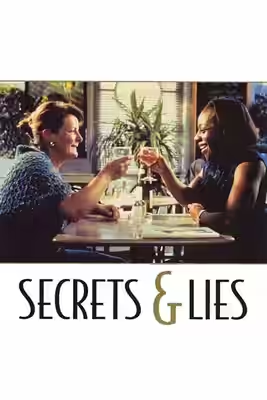
Our Friends in the North and Secrets & Lies share a gift for painful domestic conversations acted so well that they hurt. Mike Leigh's film does it in a single uninterrupted evening and is the tighter of the two, though it sometimes spells out feelings we have already understood. Flannery's series asks for nine episodes and rewards the long acquaintance, adding political history that it does not always handle with the same patience.
What should I watch after Our Friends in the North?
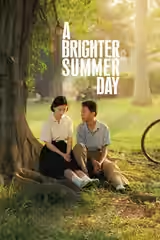
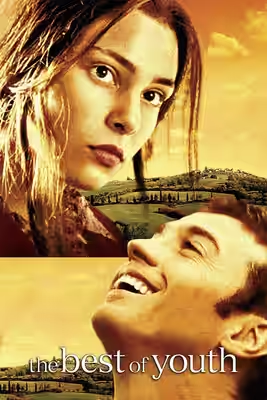
After Our Friends in the North, try A Brighter Summer Day (1991, Fi1m 90): Young friendships and political unease, given time to become painfully entangled. Then The Best of Youth (2003, Fi1m 86): Family loyalties stretch across decades of political change, with room for disagreement; and Secrets & Lies (1996, Fi1m 88): For the awkward domestic conversations, and the actors who make them hurt.

Cast

If you liked this, try…

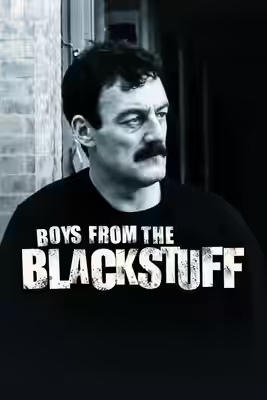
  1. Boys from the Blackstuff (1982) · not reviewed yetWorking lives under political pressure, with the same care for wounded pride.

  2. Heimat (1984) · not reviewed yetAnother long acquaintance with people whose private lives cannot escape public history.

  3. A Brighter Summer Day (1991, Fi1m 90)Young friendships and political unease, given time to become painfully entangled.

  4. The Best of Youth (2003, Fi1m 86)Family loyalties stretch across decades of political change, with room for disagreement.

  5. Secrets & Lies (1996, Fi1m 88)For the awkward domestic conversations, and the actors who make them hurt.

Free account

Know what to watch tonight

Two lists that know where things are streaming, collections you can share, your own score beside ours, and Discover that remembers what you have seen.

  • Want to see, sorted by what is streaming now
  • Seen, with your score out of ten
  • No adverts, ever