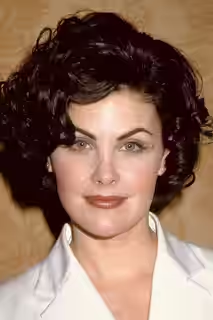
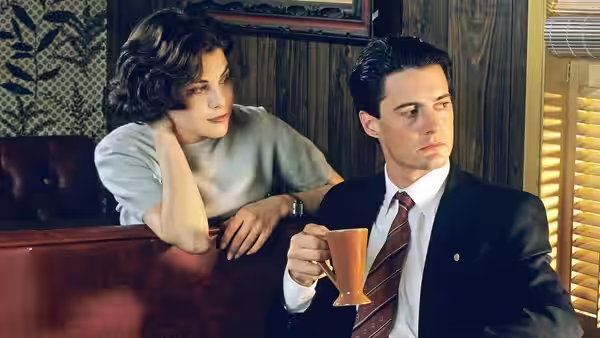
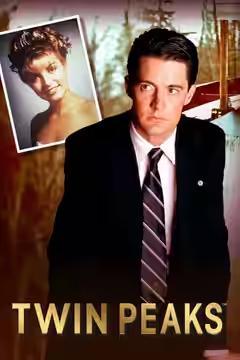
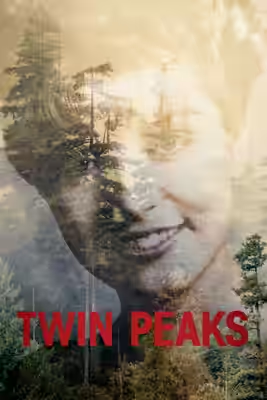
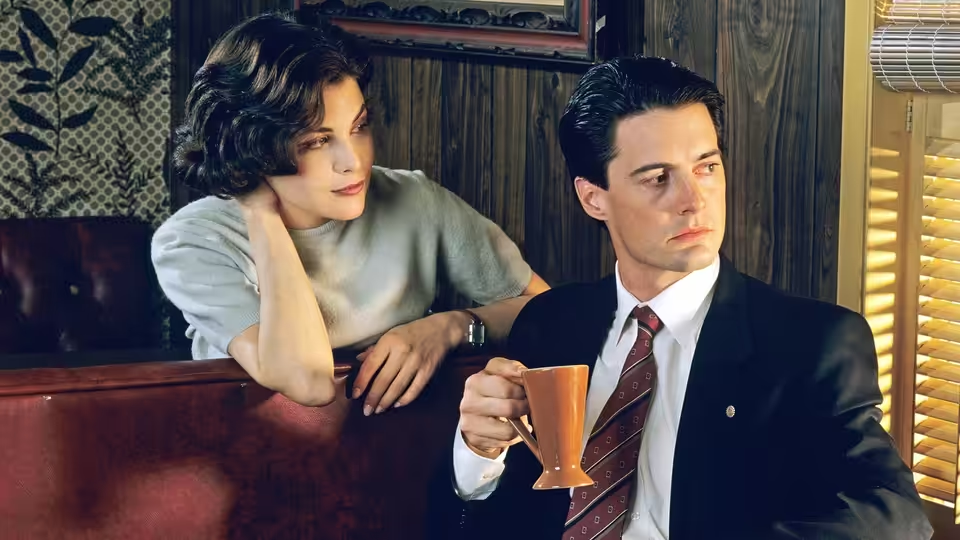
Audrey Horne (Sherilyn Fenn) leans on a counter beside Dale Cooper (Kyle MacLachlan) holding a mug
Series review

Twin Peaks

1990 · Created by Mark Frost, David Lynch · Series · MPA TV-14

In a sentenceA town this pretty ought to be less worrying

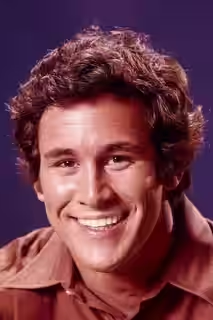
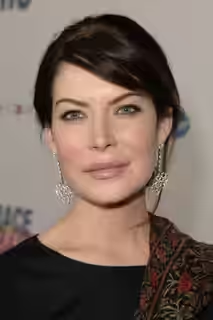
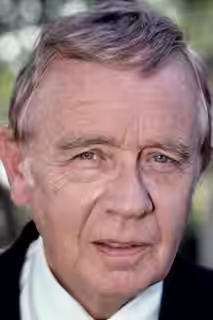
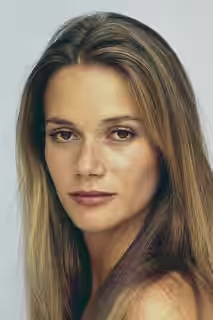
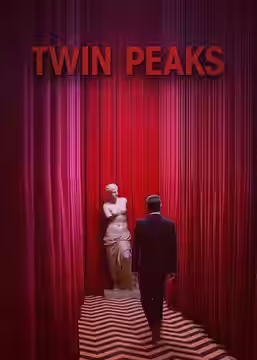
Private jealousies and corruption trouble a rural town in Twin Peaks. Kyle MacLachlan plays Dale Cooper, Michael Ontkean plays Harry S. Truman, and Lara Flynn Boyle plays Donna Hayward. Sherilyn Fenn appears as Audrey Horne alongside Richard Beymer as Benjamin Horne and Peggy Lipton as Norma Jennings. The programme combines drama and mystery with soap-opera storytelling, moving between the lives of the town’s inhabitants. Surreal details interrupt the apparent calm as the stories turn towards what people want, what they conceal and how they behave when their desires get in the way.

Plays from YouTube when you press play; nothing loads from them until then.

Fi1m review

Twin Peaks makes soap-opera jealousy funny, frightening and unexpectedly sad. Kyle MacLachlan gives its strangeness a steady centre, and we warmly recommend it, with a warning that its patience sometimes becomes drift.

Twin Peaks is a richly involving series with stretches we would willingly shorten. David Lynch and Mark Frost build a rural soap around people who have plenty to hide. Their desires are familiar enough, but the peculiar behaviour that accompanies them keeps us from settling into the comfortable business of judging everybody. The programme takes their feelings seriously, even when their behaviour is funny, and that gives us a reason to care beyond wanting the mysteries explained.

Kyle MacLachlan’s Dale Cooper gives us someone to watch without constantly telling us how peculiar everything is. MacLachlan listens and speaks with a seriousness that makes the surrounding oddness more persuasive, and Michael Ontkean brings useful steadiness to Harry S. Truman. We laughed at MacLachlan’s solemn delivery, then found that same composure unsettling when it offered no reassurance. Sherilyn Fenn’s Audrey Horne brings a welcome alertness to the ensemble, while Lara Flynn Boyle’s Donna Hayward helps keep the emotion believable through the stranger passages.

Frank Byers’s cinematography makes the town appealing enough that we want to spend time there, despite the reasons to be wary. The attention given to faces and their surroundings means we keep looking even when the story is not moving quickly. Richard Hoover’s production design helps the everyday settings feel settled, which makes the peculiar behaviour within them harder to dismiss. The photography and the settings work particularly well together: neither needs to announce that something is wrong before the actors have begun.

Duwayne Dunham’s editing is at its most effective when a pause starts to feel slightly too long. We have time to notice the awkwardness, and then to wonder why it has become uncomfortable. Angelo Badalamenti’s music gives the melodrama warmth and weight, allowing feelings that might look excessive on paper to be taken seriously. There is tenderness in the score that the stranger passages need, especially when the humour threatens to make the people seem ridiculous.

The weakness is the amount of time some of this takes. The first series has eight episodes and the second has 22, and the longer stretch too often mistakes another complication for a reason to keep watching. Some supporting stories are much less absorbing than the people performing them. The jokes are welcome, but they cannot always conceal how little has changed from one scene to the next. The actors remain committed, but their conviction cannot make every detour necessary; there are passages we would rather have spent back with the stronger characters.

The third series, The Return, begins in 2017 and runs to 18 episodes, and it deserves to be included in the recommendation. Its slower stretches demand more patience, but the performances remain absorbing enough to make the commitment worthwhile. Against the tidy progress we might expect from a mystery programme, Twin Peaks asks us to attend to the way people speak and react even when they tell us little. Give it an uninterrupted evening to establish its pace; constant glances at another screen will do it no favours.
Critical consensus AI synthesised

86
Positive
6
Mixed
0
Negative
0

Every one of the six reviews is positive, and most of them go further than that. The critics agree that the series brings surrealism, eroticism and the supernatural into a network soap. Praise clusters on David Lynch’s handling of tone, lurching from high drama to eccentric comedy to dread within a scene, and on the photography of a rural town whose prettiness hides greed and corruption. Kyle MacLachlan’s Agent Cooper and Angelo Badalamenti’s score are singled out, and several reviews credit the pilot’s eerie closing sequence with pointing the way to more cinematic television.

The reservations are few and the spread is narrow. The Guardian’s Nancy Banks-Smith, writing at the time, is the coolest voice, taking it as a wholesome, unusually funny and good-looking soap rather than a landmark. Den of Geek allows that the second series lost some of its audience. Most of the rest are written years later, judging the pilot with its influence already known.

Empire
29 October 2002 · Rob Fraser
90*

The critic calls the first series fantastic television marked by visual inventiveness, wild tonal shifts and strong performances, especially Kyle MacLachlan as Agent Cooper. It singles out the show's lasting influence on television for bringing surrealism, eroticism and the supernatural into the mainstream.

Read the full review →
The AV Club
28 November 2007 · Keith Phipps
90*

The critic describes the 1990 pilot as a groundbreaking work that changed television by blending high drama, eccentric comedy and Lynch's signature unsettling vision. It singles out the pilot's pacing, character introductions and eerie final sequence as highlights that pointed the way to smarter, more cinematic TV.

Read the full review →
The Hollywood Reporter
8 April 1990 · Richard Hack
90*

The critic praises the series as provocative, stunningly photographed storytelling and television at its best, crediting David Lynch with elevating the medium by revealing the greed, passion, jealousy and corruption beneath a picturesque rural town's idyllic veneer.

Read the full review →
The Guardian
24 October 1990 · Nancy Banks-Smith
75*

Banks-Smith finds the pilot episode a clean and wholesome yet surreal soap with flashes of striking acting, much better looking than average and far funnier than typical soaps. She praises Lynch's distinctive touch that keeps viewers off balance through odd details and notes its cult status in America.

Read the full review →
Collider
8 April 2020 · Allie Gemmill
90*

The critic celebrates the 1990 pilot as a groundbreaking, unmatched TV event that shifted how stories could be told on network television and continues to influence the medium decades later. She singles out its blend of familiar small-town Americana with surreal, dreamlike elements, quirky characters, and Angelo Badalamenti’s score as what makes it endlessly rewatchable and culturally resonant.

Read the full review →
Den of Geek
31 March 2010 · ★★★★ · Doralba Picerno
80

The critic praises Twin Peaks as a groundbreaking, humorous, sexy, and scary auteur soap opera that paved the way for darker TV shows, highlighting its quirky characters, surreal dream sequences, and enduring eeriness. They note that while the second series lost some audience interest, it remains an outstanding piece of television.

Read the full review →

Straight answers AI written, from our review

Is Twin Peaks worth watching?
Twin Peaks is worth watching for anyone who can settle into a slow, strange soap opera, and we scored it 86. Kyle MacLachlan's Dale Cooper gives the oddness a steady centre, and Angelo Badalamenti's music lets the melodrama be taken seriously. The 22-episode second series drifts, and some supporting stories are far less absorbing than the people playing them.
How long is Twin Peaks, and what is it rated?
Twin Peaks is rated TV-14 by the MPA in the US. It is a drama and mystery series.
Where can I watch Twin Peaks in the US?
Twin Peaks is streaming on MUBI, Paramount+, Pluto TV, The Roku Channel, Amazon Prime Video and Apple TV in the US, and it is also available to buy from Apple TV and Amazon Prime Video from $12.99. Availability is checked daily; the links above go straight to each service.
How violent or frightening is Twin Peaks, and is it suitable for children?
Twin Peaks carries a UK 15 certificate and is not suitable for children. Its unease comes less from violence on screen than from pauses that run slightly too long and composure that offers no reassurance; we found Cooper's solemnity funny, then unsettling. Teenagers of fifteen and over who can sit with a slow, worrying mood will manage it.
How does Twin Peaks compare to Blue Velvet?
Twin Peaks is warmer and more patient than Blue Velvet; both find menace in respectable surroundings, but the series takes its time and its people's feelings seriously, while the film goes straight for discomfort. Blue Velvet is the tighter and more frightening of the two. Choose the series for a long, involving stay; choose the film for a single evening of dread.
What should I watch after Twin Peaks?
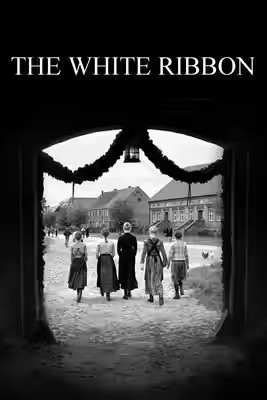
After Twin Peaks, try Blue Velvet (1986, Fi1m 88): Lynch finds menace in respectable surroundings, with less patience for comfort. Then Picnic at Hanging Rock (1975, Fi1m 88): A mystery made unsettling through landscape, restraint and the persistence of unease; and The White Ribbon (2009, Fi1m 86): A rural community’s respectable manners do little to conceal its cruelty.

Cast

Awards

TCA Heritage Award, 2013

Nominated
TCA Heritage Award

Primetime Emmy Awards, 1991

Nominated
Outstanding Lead Actor in a Drama Series
Nominated
Outstanding Supporting Actress in a Drama Series

Directors Guild of America Award for Outstanding Directing – Drama Series, 1990

Nominated
Directors Guild of America Award for Outstanding Directing – Drama Series

Golden Globes, 1990

Won
Best Television Series – Drama

Peabody Awards, 1990

Won
Peabody Awards

Primetime Emmy Awards, 1990

Nominated
Outstanding Directing for a Drama Series
Nominated
Outstanding Drama Series
Nominated
Outstanding Lead Actress in a Drama Series
Nominated
Outstanding Music Composition for a Series (Original Dramatic Score)
Nominated
Outstanding Original Main Title Theme Music
Nominated
Outstanding Original Music and Lyrics
Nominated
Outstanding Writing for a Drama Series
Won
Outstanding Costumes for a Series
Won
Outstanding Single-Camera Picture Editing for a Drama Series

TCA Award for Outstanding Achievement in Drama, 1990

Won
TCA Award for Outstanding Achievement in Drama

TCA Award for Program of the Year, 1990

Won
TCA Award for Program of the Year

If you liked this, try…

  1. Blue Velvet (1986, Fi1m 88)Lynch finds menace in respectable surroundings, with less patience for comfort.

  2. The Kingdom (1994) · not reviewed yetHospital routines become unnerving, and the humour makes the unease worse.

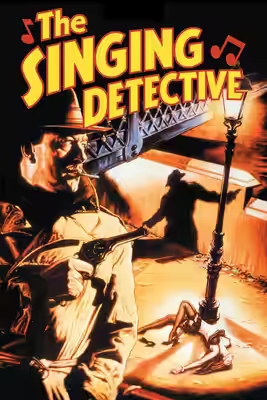
  3. The Singing Detective (1986) · not reviewed yetA television drama equally willing to make fantasy and embarrassment inseparable.

  4. Picnic at Hanging Rock (1975, Fi1m 88)A mystery made unsettling through landscape, restraint and the persistence of unease.

  5. The White Ribbon (2009, Fi1m 86)A rural community’s respectable manners do little to conceal its cruelty.

Free account

Know what to watch tonight

Two lists that know where things are streaming, collections you can share, your own score beside ours, and Discover that remembers what you have seen.

  • Want to see, sorted by what is streaming now
  • Seen, with your score out of ten
  • No adverts, ever