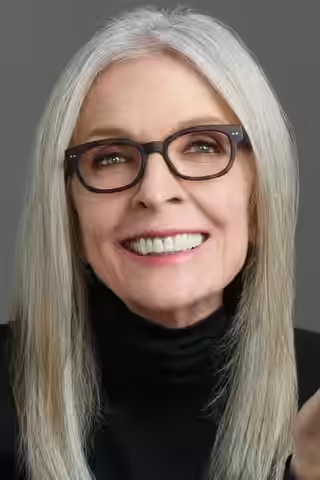
Diane Keaton can make a woman's uncertainty funny without making her foolish. We value the nervous energy and warmth she brings to comedy, especially when the writing lets her characters be intelligent, awkward and difficult.
Fi1m perspective
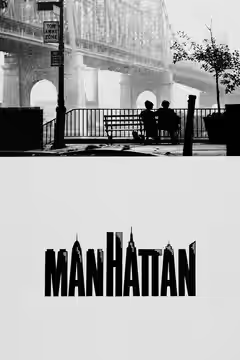
In Manhattan (1979), Diane Keaton's Mary Wilkie talks as though her cultural opinions have already settled the matter. The speed is funny, but the nervousness matters just as much: certainty never quite makes her comfortable. Keaton keeps Mary from becoming a list of opinions we are invited to dislike. We laughed at her posturing because she sounds so unprepared for anyone to disagree.
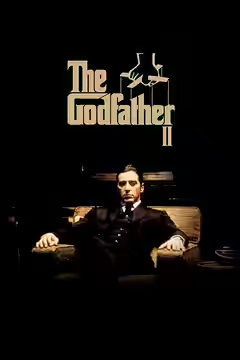
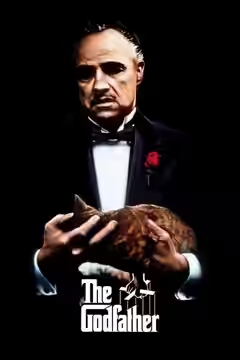
That comic reputation can obscure how firmly her early film work established her in drama. As Kay Adams in Francis Ford Coppola's The Godfather (1972), and Kay Corleone in The Godfather Part II (1974), she provides an outsider's view of the family. Coppola makes criminal authority disturbingly attractive; Kay gives that attraction someone to answer to. Those parts are a useful corrective to the idea that her principal contribution is eccentric charm.
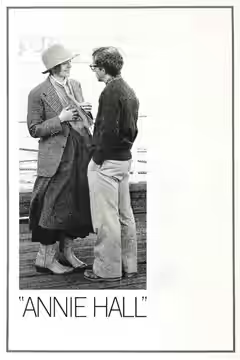
With Woody Allen, her warmth becomes central to the comedy. In Annie Hall (1977), written by Allen and Marshall Brickman, she makes Annie's uncertainty engaging without suggesting that she is stupid. Her amusement during the lobster scene gives us a practical reason to believe in the attraction. We can see why these two would want another conversation, despite Alvy Singer's capacity to make everything about himself. The attention paid to Annie also makes the screenplay's thinner, less sympathetic treatment of some other women harder to forgive.
Allen does not always repay what she gives him. In Annie Hall, a fresh joke can cut short a feeling worth staying with; Manhattan increasingly asks us to indulge people its dialogue has taught us to question. Keaton remains worth watching in both, but we prefer the earlier film's tenderness to the later one's solemn romance. Neither performance depends on making an intelligent woman reliably sensible.
The later romantic lead in Something's Gotta Give (2003) gave her another place to combine comedy and drama. Some later parts asked too little of her. For a first encounter, choose Annie Hall and watch how much of the romance depends on her finding Alvy funny.
Biography
Diane Keaton was an American actress and director. Born Diane Hall on 5 January 1946 in Los Angeles, California, she died on 11 October 2025.
She played Kay Adams in The Godfather (1972) and reprised the role as Kay Corleone in The Godfather Part II (1974) and The Godfather Part III (1990). She directed an episode of the television series Twin Peaks (1990).
She began her career on stage in the 1968 Broadway production of Hair and appeared in Woody Allen's Play It Again, Sam (1972). Other notable film roles include Annie Hall (1977), Manhattan (1979), Father of the Bride (1991) and Something's Gotta Give (2003).