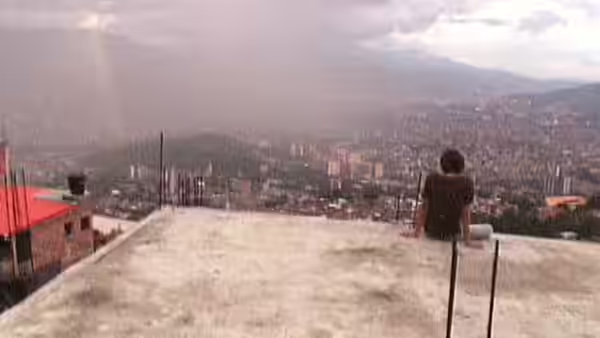
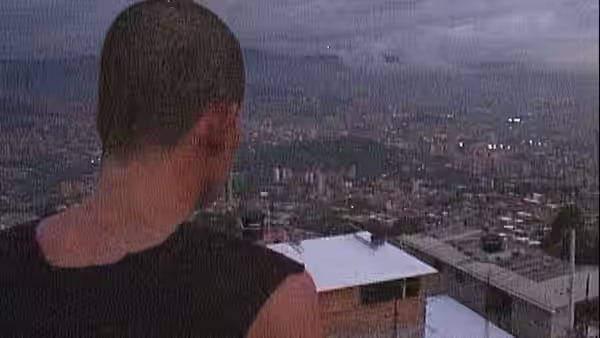
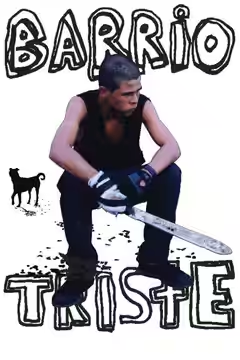
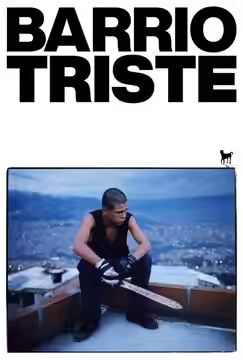
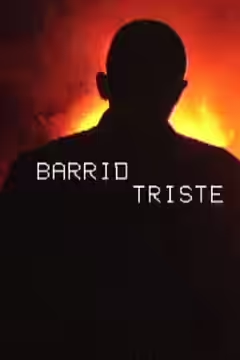
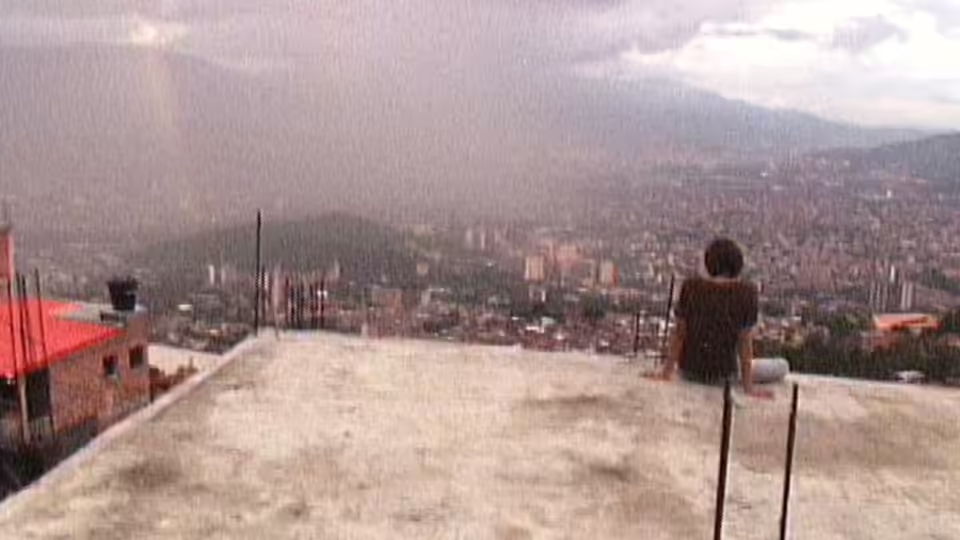
A young man sits on a rooftop overlooking a sprawling city at dusk
Film review

Barrio Triste

2026 · Directed by STILLZ · 1h 24m

In a sentenceA gang of boys, one stolen Betacam and a score that will not let them get a word in

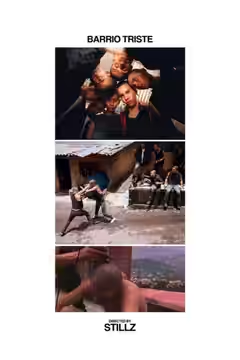
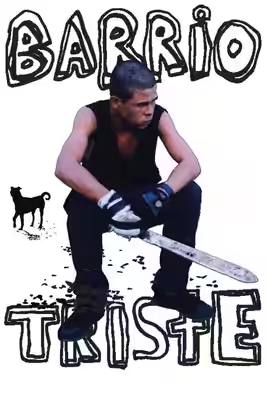
Medellín, Colombia, in the 1980s. A gang of boys from a poor barrio steals a television news camera, a Betacam, and starts pointing it at themselves. Piojo (Juan Pablo Baena), Calambre (Tomas Tinoco Higuita), Apestado (Bryan Erlin Garcia) and Rata (Samuel Andres Celis) film each other in the streets of the neighbourhood, mucking about, showing off and, when one of them is alone with the lens, talking to it about himself. What they want is to be seen. What they have is a stolen camera and nowhere in particular to go. A television reporter (Jorge Cano) turns up in the footage, and so does a punk band (Joan Casas on guitar). The games get rougher as the tape runs on. The film is the footage.

Plays from YouTube when you press play; nothing loads from them until then.

Fi1m review

STILLZ hands a stolen Betacam to a gang of boys in 1980s Medellín and the faces that come back are hard to forget. The film around them is thin, loud and undecided about what it is for, and 84 minutes feels long.

STILLZ has directed music videos, and Barrio Triste is his first feature; he writes it, directs it and shoots it himself. The idea is simple and good. A gang of boys in a Medellín barrio in the 1980s steal a television news camera, a Betacam, and point it at themselves, and the 84 minutes that follow are what they recorded. The faces are the reason to see it. The film built around them is thin, loud and unsure what it wants from them, and it gets in their way.

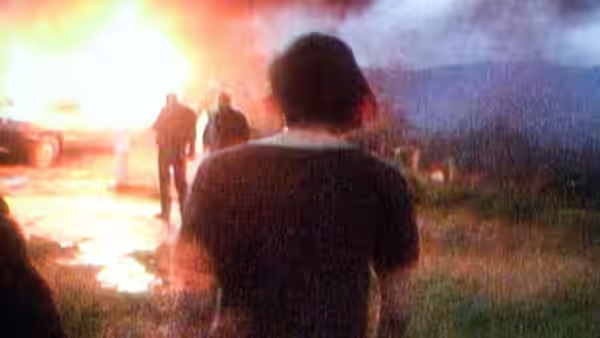
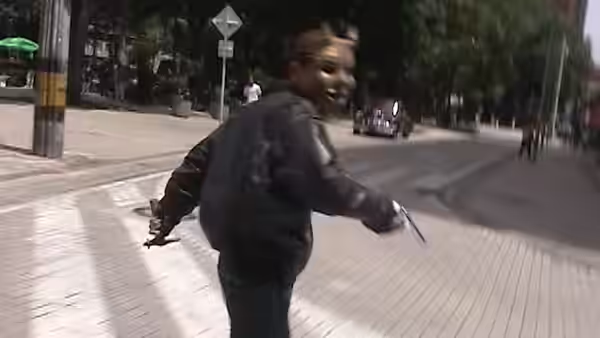
The look is right, and it is right in a way that costs something. Betacam tape burns out in sunlight and smears when the camera moves, so a good many frames here are a white sky, a blur of wall or the back of somebody’s head. STILLZ lets that stand. Daniel Rincón Zapata’s production design and Ana María Acosta Ospina’s costumes are invisible in the proper sense: nothing looks dressed, nothing looks placed, and you would struggle to say what decade it was if you did not already know. For a while that is enough.

The boys carry it. Piojo (Juan Pablo Baena), Calambre (Tomas Tinoco Higuita), Apestado (Bryan Erlin Garcia) and Rata (Samuel Andres Celis) have the nicknames of kids nobody has bothered to name properly, and they treat the camera as a friend who will not talk back. The best stretches are the ones where one of them sits in front of it alone. We were got at by these, more than we expected. Nobody makes a speech; a boy looks at the lens, says less than he means to, and stops, and the tape keeps running on his face after he has finished. It is the plainest thing in the film and the thing we remember.

Then Arca’s score comes in, and it keeps coming in. It is electronic, it is heavy, and it is nearly always there, under the confessionals and over the street. The premise says this tape was shot by children on a stolen camera; the score says a musician has been at it since, and every time it rises we are reminded who is actually holding the picture. There are also passages that play as interviews, framed steadier and answered more fully than anything the boys shoot for themselves, and these feel arranged. The film cannot decide whether the boys are filming themselves or being filmed, and it tries both.

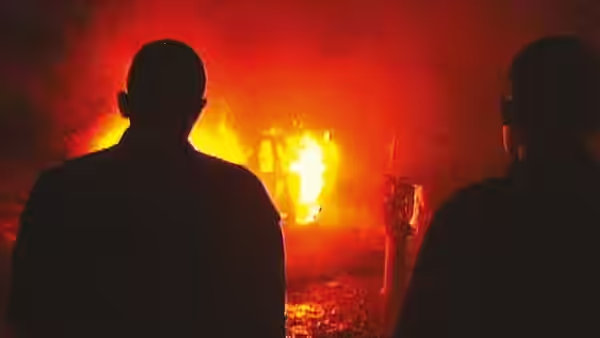
Adam Robinson’s cut does not solve the drift. Found footage has no plot until somebody gives it one, and for long stretches STILLZ does not: the boys walk, film, shout, film some more, and the tape rolls. The city’s history sits outside the frame. If you know what Medellín was in that decade you will supply it; if you do not, the film will not help you, and you will watch boys in a street for a while and wonder why. The second half hardens into something worse, which we will not describe, and the film only finds a shape once it finds its violence.

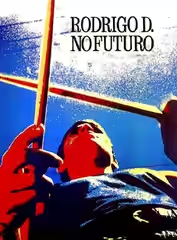
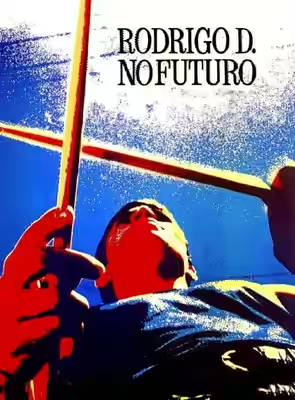
There is a standard for this, and it is local. Víctor Gaviria’s Rodrigo D: No Futuro (1990) put Medellín street kids on screen with no more money and a great deal more patience. The company behind this one, Harmony Korine’s EDGLRD, is a fair pointer to what STILLZ is after; Gummo had this grain and this drift, and it also knew when a scene had finished. Barrio Triste has the grain and does not have the patience.

The reviews so far split down the middle, half of them taken with the faces and half worn down by the score and the wandering, and we are close to the middle ourselves. If a stolen camera and a gang of boys who will not stop talking to it sounds like your evening, see it in a cinema, where a Betacam picture blown up to the size of a wall is the one thing here that gets better with size. At home the score grows and the boys shrink, and that is the wrong way round.

Critical consensus AI synthesised

54
Positive
3
Mixed
1
Negative
2

Most critics agree on what Barrio Triste is, if not on whether it works: a found-footage crime drama, shot on roving Betacam, about a group of boys in 1980s Medellín who take a television camera and film their own slide from mischief into violence. The warmer reviews credit Stillz with dropping the polish of his music videos for something rougher, and the praise gathers around the camerawork’s anarchic energy and the self-shot confessionals, which several critics find unexpectedly honest about lost innocence and despair.

The spread is wide. The reviews from the festival run are markedly cooler than those written around release. Reservations cluster on the electronic score, which both The Guardian and Screen Daily find overbearing, and on shape: IndieWire calls the film meandering and Screen Daily finds it unfocused, more often baffling than revealing. The Guardian also objects to intrusive interview sequences. RogerEbert.com goes furthest, seeing only a wallow in misery with no hope on offer.

The AV Club
10 July 2026 · Joshua Rivera
75*

Stillz sheds his music-video gloss for a raw found-footage crime drama about desperate young men in a violent Medellín neighborhood. The critic highlights the film's amateurish style and emotional authenticity as it captures the characters' melancholy and lost innocence through self-shot confessionals.

Read the full review →
The Guardian
14 September 2026
70*

The review praises Stillz’s debut as a raw and dynamic portrait of anarchic slum life in 1980s Medellín, captured through roving Betacam camerawork that channels the chaotic energy and precarious existence of its young subjects. It criticises the film’s superfluous elements, including an omnipresent electronic score and intrusive interview sequences that undermine the propulsive style.

Read the full review →
The New York Times
9 July 2026 · Natalia Winkelman
70*

This experimental and earnest film follows a group of wayward boys in 1980s Medellín who commandeer a TV camera to document their antics, which escalate from unease to violence including a jewelry store robbery. The self-consciously experimental found-footage premise is at once intensely earnest in its portrayal of the boys' cries for help.

Read the full review →
IndieWire
11 September 2025 · festival review · Ryan Lattanzio
50*

Stillz's raw, anarchic found-footage Colombian crime film, backed by Harmony Korine's EDGLRD, offers a mixed bid at redefining the medium. The critic notes its meandering quality at TIFF.

Read the full review →
RogerEbert.com
9 October 2025 · festival review
30*

A nightmarish odyssey into the depths of poverty and despair following aimless young men who steal a video camera to document their violent, troubled lives in late-1980s Medellín. The gritty, grainy found-footage style leaves viewers to wallow in the brutal truth of these characters' existence, with no hope to be found.

Read the full review →
Screen Daily
4 September 2025 · festival review
30*

The critic finds the debut feature unfocused and struggles to make an impact beyond the festival circuit. The conceit of the kids filming their own reality yields results that are more often boring or baffling than insightful, with complaints about the visuals, lack of context, and overbearing score.

Read the full review →

Straight answers AI written, from our review

Is Barrio Triste worth watching?
Barrio Triste is worth watching only for the faces of its four boys, and we scored it 56. The film around them is thin and loud, Arca's score keeps drowning the boys out, and 84 minutes of a stolen Betacam wandering a Medellín street feels longer than it is. If you do go, see it in a cinema, where the picture gains what the score takes away.
How long is Barrio Triste, and what is it rated?
Barrio Triste runs 1h 24m. It is a crime and drama film.
Where can I watch Barrio Triste in the US?
Barrio Triste is not on any streaming or rental service in the US at the moment. Availability is checked daily.
How violent or frightening is Barrio Triste, and is it suitable for children?
Barrio Triste is a UK 15 and not for children. Much of it is boys mucking about in a Medellín barrio, but the games get rougher as the tape runs on, and the second half hardens into violence we will not describe. Teenagers of fifteen and up who can take a found-footage crime drama with a grim turn will manage it; the squeamish should not.
How does Barrio Triste compare to Pixote?
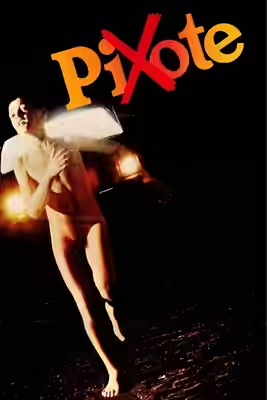
Barrio Triste is reaching for what Pixote did and does not get there. Babenco watches his São Paulo street boys with patience and lets the story build; STILLZ has a good look and four strong faces but no patience, and lets the score do the talking. Pixote is the better film by a clear margin, and the one to watch first.
What should I watch after Barrio Triste?
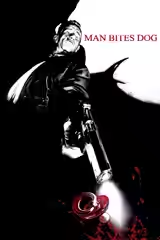
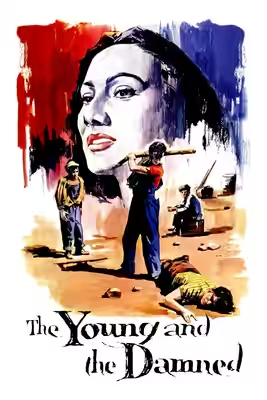
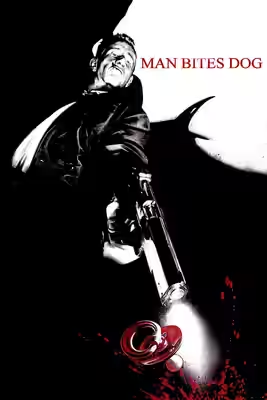
After Barrio Triste, try Pixote (1980, Fi1m 88): Babenco’s São Paulo street boys; the film STILLZ is reaching for and does not grasp. Then Los Olvidados (1950, Fi1m 84): Buñuel in the Mexico City slums, unsentimental about children and about what they do; and Man Bites Dog (1992, Fi1m 78): Belgian mock documentary about a killer and the crew filming him; the camera is complicit.

Cast

If you liked this, try…

  1. Rodrigo D: No Futuro (1990) · not reviewed yetVíctor Gaviria’s Medellín punks, no money, real streets, and the patience this one lacks.

  2. Pixote (1980, Fi1m 88)Babenco’s São Paulo street boys; the film STILLZ is reaching for and does not grasp.

  3. Los Olvidados (1950, Fi1m 84)Buñuel in the Mexico City slums, unsentimental about children and about what they do.

  4. Man Bites Dog (1992, Fi1m 78)Belgian mock documentary about a killer and the crew filming him; the camera is complicit.

  5. Gummo (1997) · not reviewed yetKorine’s Ohio drift, all grain and boredom, which knows when a scene is over.

Free account

Know what to watch tonight

Two lists that know where things are streaming, collections you can share, your own score beside ours, and Discover that remembers what you have seen.

  • Want to see, sorted by what is streaming now
  • Seen, with your score out of ten
  • No adverts, ever