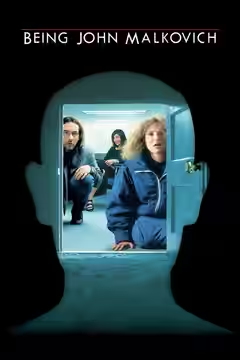
Spike Jonze and Charlie Kaufman’s excellent fantasy comedy makes borrowing an actor’s identity funny, troubling and surprisingly sad. The plotting can get busy, but John Malkovich and Catherine Keener keep the people interesting.
Being John Malkovich is a fine comedy about wanting to get away from yourself and failing to consider what that might cost somebody else. Spike Jonze directs Charlie Kaufman’s screenplay with enough composure to make borrowing an actor’s identity seem almost practical. We recommend it, although its ingenious plotting sometimes hurries past the characters’ feelings. The people here want relief from themselves, admiration and someone else’s affection.
Comedy built around one peculiar idea can wear thin quickly, so it matters that Kaufman is interested in more than surprise. Celebrity is part of the attraction, but questions of gender and desire make the wish to become someone else harder to dismiss as vanity. Jonze handles this without suddenly declaring that the serious part has begun. The same selfish behaviour that gets the laughs also makes it difficult for these people to find affection.
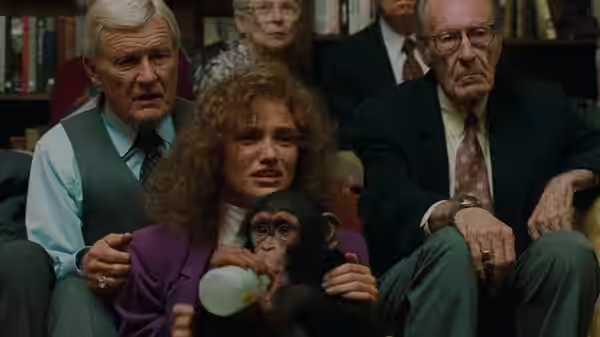
Cusack gives Craig Schwartz the aggrieved seriousness of a man who thinks wanting something badly makes him entitled to it. Diaz’s Lotte Schwartz feels less certain of who she wants to be, and her vulnerability stops the fantasy becoming entirely smug. Keener’s Maxine Lund hardly needs to announce her contempt; she makes other people’s neediness do the work for her. There is pleasure in watching such incompatible temperaments pursue satisfaction, although being stuck with them is sometimes wearing.
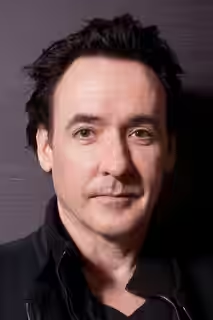
Malkovich is the crucial piece of casting, and not simply because his name is in the title. He is funny because he takes the interference seriously and allows the indignity to show. We laughed at his humiliation, then felt rather ashamed: other people are treating a living man as a solution to their own disappointments. He gives this version of himself enough dignity for us to understand why the arrangement might not be much fun for him.
Lance Acord’s cinematography keeps our attention on the faces, where irritation and longing make the odd premise credible. K.K. Barrett’s production design makes the absurdity feel drably plausible, giving the actors somewhere convincing to behave badly. Eric Zumbrunnen’s editing makes selfish decisions feel alarmingly quick and easy, though the accumulation of complications becomes tiring. Carter Burwell’s music allows some sadness without asking us to pardon anyone. That restraint helps when the screenplay is already giving us so much to think about.
The cost is a certain impatience with anyone who needs time to feel. Kaufman can be so busy finding another use for the premise that an emotional consequence seems to have been registered and hurried past. Diaz gives Lotte enough vulnerability for us to want more attention paid to her, especially when the film is sorting out its cleverer complications. Keener is wonderfully exact, but Maxine’s disdain can become predictable once we know how little respect she has to spare.
Allow its 113 minutes your full attention, and avoid having the later complications explained beforehand. There is enough pleasure in discovering how far Jonze and Kaufman will take the idea to make advance preparation a waste. Choose it when a comedy need not provide anyone you would willingly invite round.