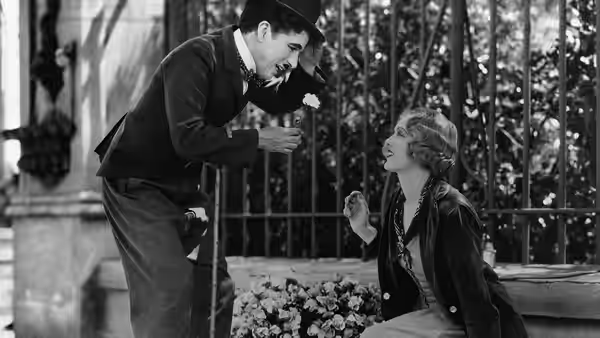
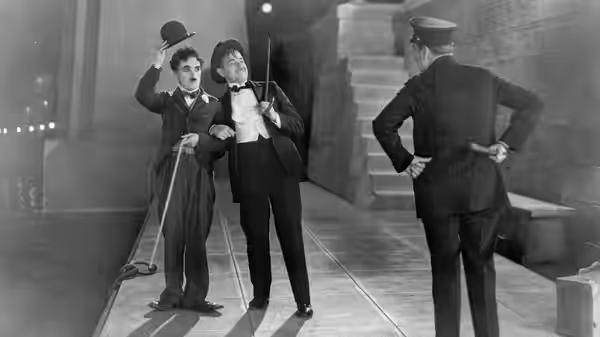
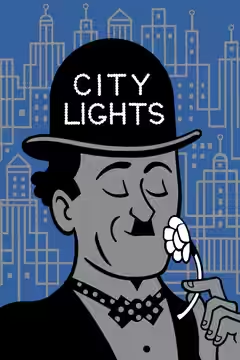
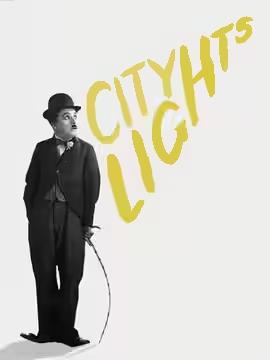
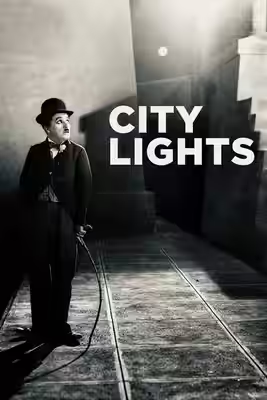
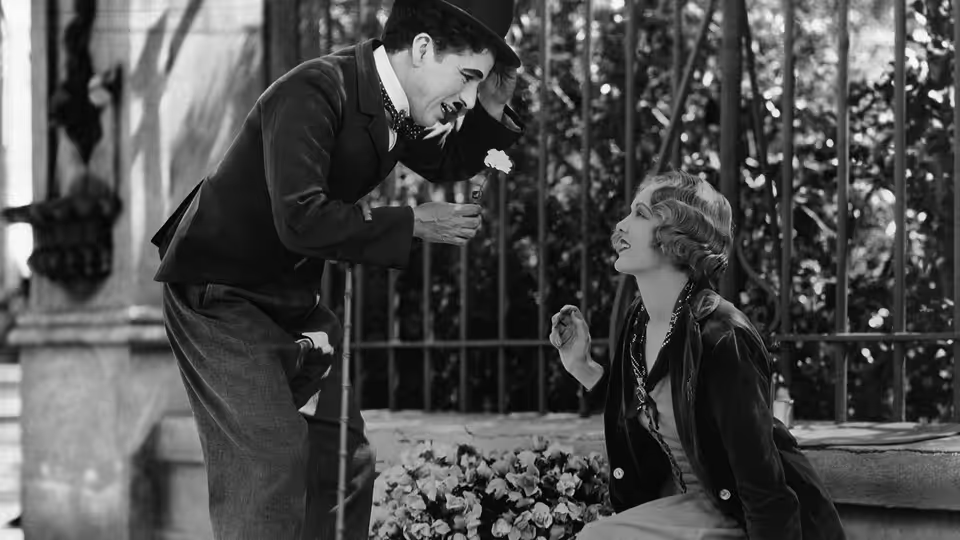
The Tramp (Charlie Chaplin) offers a flower to the Blind Girl (Virginia Cherrill)
Film review

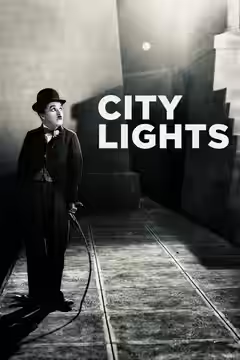
City Lights

1931 · Directed by Charlie Chaplin · 1h 27m · MPA G

In a sentenceChaplin can make us worry about a man’s dignity while hoping he falls over again

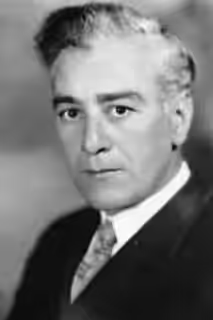
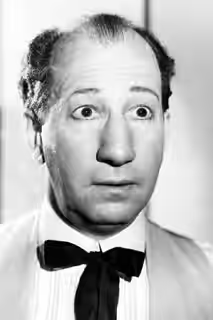
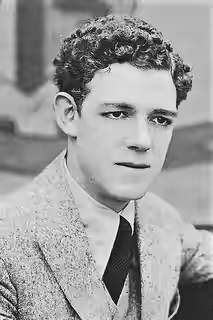
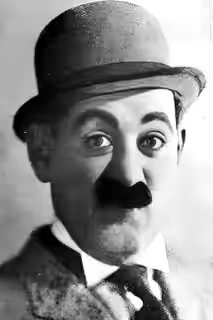
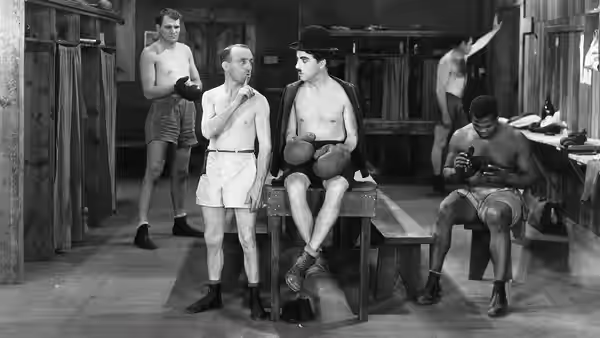
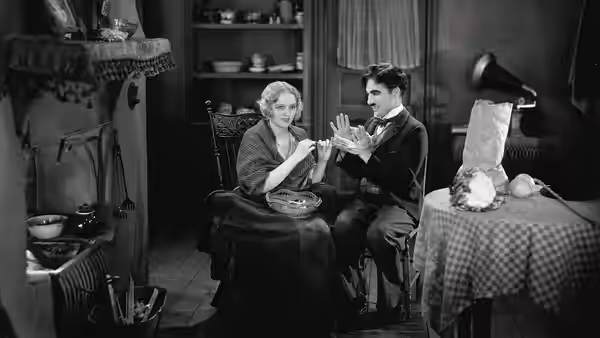
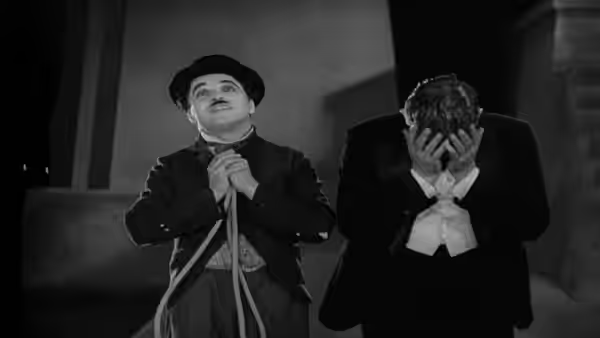
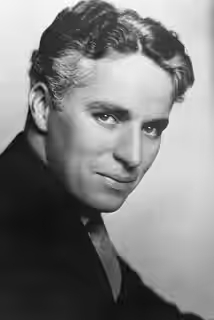
Charlie Chaplin plays a tramp who falls in love with a blind flower-seller, played by Virginia Cherrill. Florence Lee appears as her grandmother, while Harry Myers plays an eccentric millionaire and Al Ernest Garcia his butler. The romance unfolds in a city divided by money and social standing. Hank Mann appears as a prizefighter in a story that mixes physical comedy with the tramp’s wish for affection and acceptance. Chaplin directs, co-writes and supplies the music, telling the story without spoken dialogue.

Fi1m review

Chaplin’s City Lights is a funny, affecting romance whose physical comedy makes the tenderness convincing. The pace sometimes slackens, but we recommend it for the precision of the gags and the care it takes with its tramp.

Chaplin makes the romance in City Lights matter because he never stops finding its hero funny. We recommend it, with a small reservation about how long it sometimes asks us to contemplate his sadness. A tramp’s love for a blind flower-seller could have become an exercise in pity, but Chaplin keeps giving us reasons to laugh. The tramp can want affection and still make a fool of himself in trying to get it.

We laughed at the opening mockery of talking pictures, because Chaplin gets his point across without giving the tramp a speech of his own. The joke also makes clear how much expression he can get from a body when words are taken away. His pantomime stays readable without making every feeling look like a demonstration for the back row. He gives us time to notice small changes in his behaviour, and that makes the comedy feel personal.

Roland Totheroh and Gordon Pollock’s cinematography serves that performance by letting us follow the physical business without straining to understand it. We can see Chaplin thinking as well as moving, and the photography gives us time to register both. Henry Clive’s production design makes the difference between the tramp’s circumstances and the millionaire’s easy to grasp. It supports the comedy about money without requiring the film to stop and explain who has it.

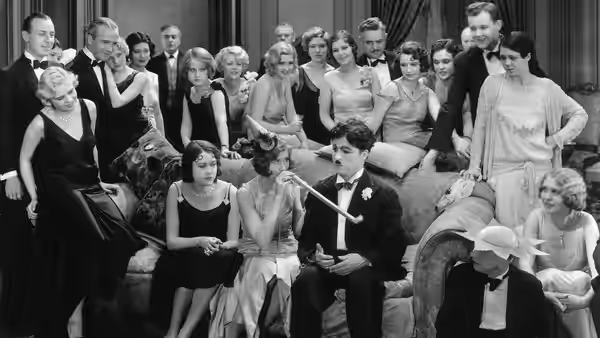
Virginia Cherrill gives the blind flower-seller enough quiet presence that Chaplin does not have to perform every feeling for both of them. The romance benefits from the difference in their energy; the film can slow down without immediately becoming solemn. Harry Myers, as the eccentric millionaire, gives the comedy a broader social reach. Putting him alongside the tramp lets Chaplin make money part of the joke rather than pretend that wanting to be loved cancels out being poor.

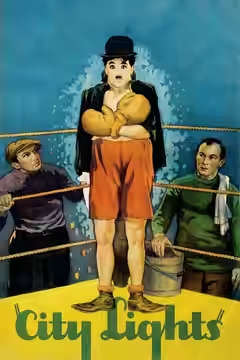
Chaplin and co-editor Willard Nico are sharper within individual gags than across the whole 87 minutes. The prize-fight sequence shows how much comedy depends on giving us time to understand a physical predicament before changing it. Between the set pieces, though, the film sometimes holds on to sadness after we have understood it. A little less insistence would have made the tenderness easier to accept, and the loose structure leaves room for that insistence to accumulate.

Chaplin’s score keeps the romance close even when the physical comedy takes over. The music does more than fill the gap left by speech: it encourages us to regard this awkward man tenderly. The sound effects can be brisk and mischievous, adding a comic interruption rather than explaining a feeling. We prefer that lightness to the moments when the score seems to ask for sympathy we have already given.

There is no need to make allowances for the lack of dialogue. The romantic-comedy test is still whether we want these people to find happiness, and Chaplin makes us care about the possibility. At 87 minutes, the film is short enough to risk even if pantomime is not usually your evening’s entertainment. Do not put it on as background company; Chaplin needs you to look at him.
Critical consensus AI synthesised

82
Positive
8
Mixed
0
Negative
0

Every review is positive, and most are warm. The praise gathers around Chaplin’s pantomime and his decision to keep the film silent, which critics from 1931 onwards treat as the right call rather than a stubborn one. The prize-fight sequence is named again and again as the comic high point, and several reviews single out the closing scene as the film’s emotional peak. The mix of slapstick and sentiment is the recurring phrase, and most think the balance holds.

The reservations are about pace and sentiment. Time Out finds the structure baggy and the story of the Tramp and the blind flower-seller close to too sweet, while Variety, writing in 1931, thinks the film gives up speed for pathos and is not Chaplin’s best. The Hollywood Reporter, revisiting its original verdict, agrees it is funny but not exceptional. The spread runs from good to near-perfect, with the two trade papers coolest and the later critics warmest.

RogerEbert.com
25 February 1972 · Roger Ebert
90*

Chaplin's City Lights succeeds as timeless comedy rooted in basic human needs rather than topical events. The film masterfully blends sentiment with gags through the Tramp's pantomime and avoids dialogue to preserve its visual eloquence.

Read the full review →
Slant Magazine
25 December 2007
90*

The review calls City Lights a masterpiece and one of cinema's greatest endings, praising its ability to convey profound human desire for acceptance through silence and narrative alone. It singles out the final shot of the Tramp's naked self-exposure and vulnerability as the film's emotional and philosophical peak.

Read the full review →
The New York Times
7 February 1931 · Mordaunt Hall
90*

Chaplin proves the eloquence of silence in this non-dialogue film full of mirth and pathos. The production is worked out with admirable artistry, mixing laughter with sentiment in an eloquent silent picture.

Read the full review →
Empire
1 January 2000 · David Parkinson
85*

The critic calls the film a precision blend of slapstick and sentiment that was proclaimed Chaplin's masterpiece after he stuck with silent techniques. It highlights hilarious comedy sequences like the boxing match and elevator gag alongside its touching qualities.

Read the full review →
The Hollywood Reporter
30 January 2023 · THR Staff
70*

The review reprints and endorses the original 1931 verdict that the film is very funny with strong entertainment value despite not being a world-beater. It singles out the opening gag mocking talkies and the prize-fight sequence as standout comedic highlights, along with Chaplin's eloquent pantomime.

Read the full review →
Time Out
10 September 2012 · GB
70*

The film comes close to excessive sentimentality in its story of the Tramp's love for a blind flower-seller but is saved by slapstick and Chaplin's delicate handling of emotion. Its structure is baggy, yet it contains many great moments and well-judged sound effects.

Read the full review →

Straight answers AI written, from our review

Is City Lights worth watching?
City Lights is worth watching for anyone willing to give 87 minutes of silent pantomime their full attention, and we scored it 89. Chaplin keeps the tramp's romance with a blind flower-seller funny enough that it never becomes an exercise in pity, though the film sometimes holds on to sadness longer than it needs to. Do not put it on as background; Chaplin needs you to look at him.
How long is City Lights, and what is it rated?
City Lights runs 1h 27m and is rated G by the MPA in the US. It is a comedy and drama film.
Where can I watch City Lights in the US?
City Lights is streaming on HBO Max, Amazon Prime Video, Tubi, The Roku Channel and Hulu in the US, and it is also available to rent from Amazon Prime Video from $2.99. Availability is checked daily; the links above go straight to each service.
How does City Lights compare to The General?
City Lights is the more affecting of the two, while The General is the tighter and more ingenious. Chaplin builds his comedy around a romance he wants you to care about; Keaton builds his around a stolen locomotive, and his own romance is thin by comparison. Choose Chaplin for tenderness with the gags, Keaton for sustained action and the cleaner timing.
What should I watch after City Lights?
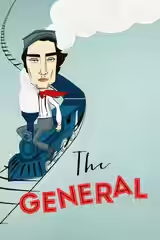
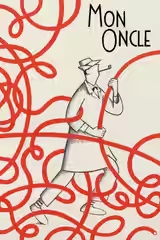
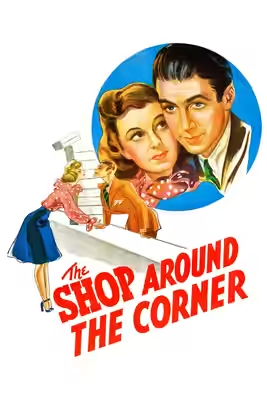
After City Lights, try The General (1926, Fi1m 91): Buster Keaton’s railway comedy offers another lesson in timing and bodily indignity. Then Mon Oncle (1958, Fi1m 82): Jacques Tati finds physical comedy in buildings designed to make life easier; and The Shop Around the Corner (1940, Fi1m 88): A pricklier romance for anyone who likes tenderness earned through mutual embarrassment.

Cast

If you liked this, try…

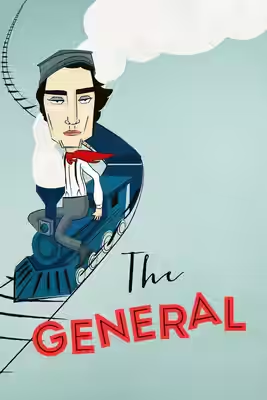
  1. The General (1926, Fi1m 91)Buster Keaton’s railway comedy offers another lesson in timing and bodily indignity.

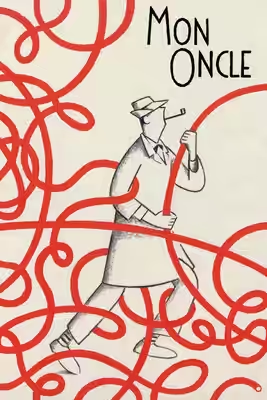
  2. Mon Oncle (1958, Fi1m 82)Jacques Tati finds physical comedy in buildings designed to make life easier.

  3. The Shop Around the Corner (1940, Fi1m 88)A pricklier romance for anyone who likes tenderness earned through mutual embarrassment.

  4. The Lunchbox (2013, Fi1m 75)A mistaken delivery starts a patient romance between people used to being overlooked.

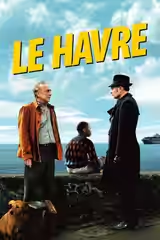
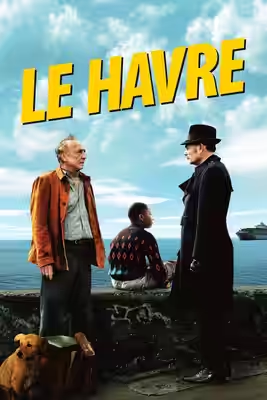
  5. Le Havre (2011) · not reviewed yetAki Kaurismäki lets a poor neighbourhood help a stranger without congratulating itself.

Free account

Know what to watch tonight

Two lists that know where things are streaming, collections you can share, your own score beside ours, and Discover that remembers what you have seen.

  • Want to see, sorted by what is streaming now
  • Seen, with your score out of ten
  • No adverts, ever