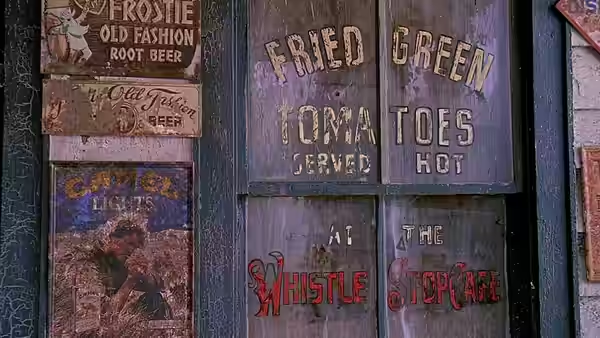
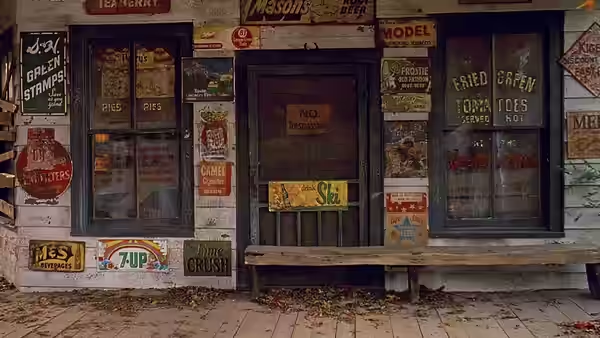
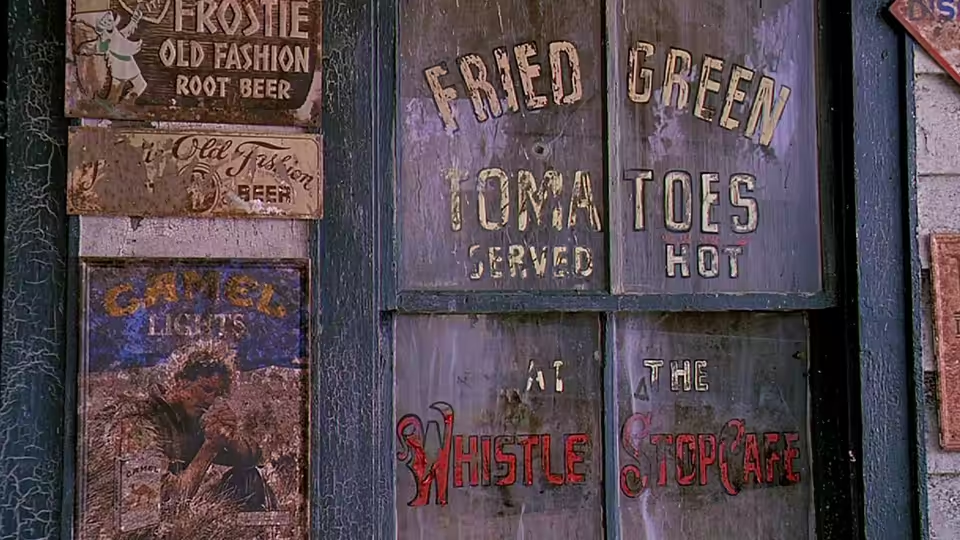
Painted signs advertising fried green tomatoes on wooden doors
Film review

Fried Green Tomatoes

1991 · Directed by Jon Avnet · 2h 10m · MPA PG-13

In a sentenceWe would happily spend another hour with Jessica Tandy, preferably without another lesson in believing in ourselves

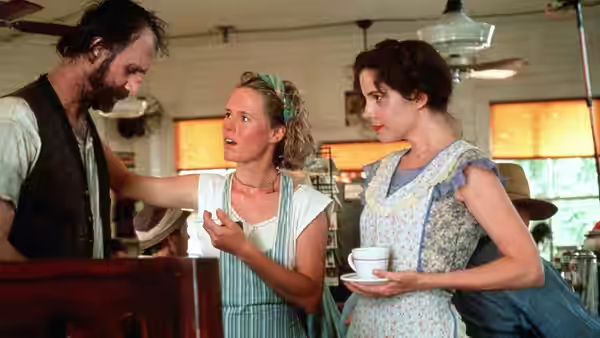
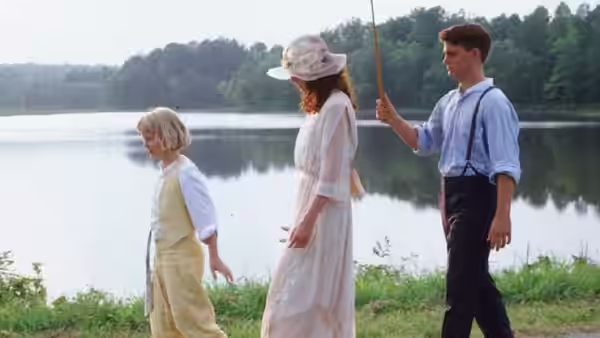
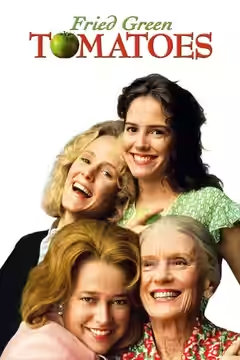
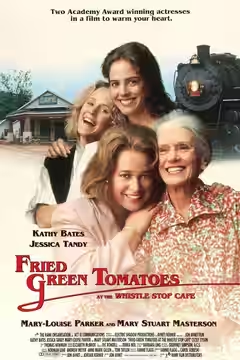
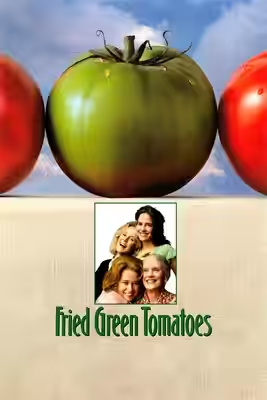
Evelyn Couch (Kathy Bates) listens to a story that begins to alter the way she sees her own life. In an earlier era, Idgie Threadgoode (Mary Stuart Masterson) and Ruth Jamison (Mary-Louise Parker) find strength in their friendship while facing a society uneasy with women who refuse to conform. Their experiences run alongside Evelyn’s as she starts to change. Jessica Tandy plays Ninny Threadgoode, with Cicely Tyson as Sipsey and Stan Shaw as Big George, in a drama that moves between the two periods and connects women’s lives through storytelling.

Plays from YouTube when you press play; nothing loads from them until then.

Fi1m review

Jon Avnet’s drama earns its warmth through the women at its centre, with Kathy Bates and Jessica Tandy particularly persuasive. Predictable plotting and a cautious treatment of sexuality limit it, but the performances make the sentiment worth accepting.

Jon Avnet’s Fried Green Tomatoes is a warm, well-acted drama that earns most of its sentiment. It asks what hearing about another woman’s life can do for someone who needs to change her own, then gives the listener enough importance to make that question worth asking. The storytelling is reassuring, sometimes excessively so. There is pleasure in its account of friendship across two eras, even when the next lesson in self-belief is easy to anticipate.

Kathy Bates is crucial as Evelyn Couch, the woman doing the listening. Evelyn’s involvement in the earlier story is interesting in itself, so returning to her does not feel like an automatic interruption of the better tale. We were moved by Bates’s listening; Evelyn’s absorption in somebody else’s experience makes her own capacity for change believable. She gives the familiar business of learning to value oneself some welcome awkwardness.

Mary Stuart Masterson’s Idgie Threadgoode and Mary-Louise Parker’s Ruth Jamison give the earlier strand its strength. Masterson makes Idgie’s independence convincing without requiring us to approve of her at every moment, and Parker gives Ruth enough presence to make the attachment feel mutual. Their scenes have the emotional pull that the film’s broader statements about friendship need. Jessica Tandy, as Ninny Threadgoode, is just as valuable: her warmth helps the film persuade us that listening to another person’s story can be an event in its own right.

The screenplay by Fannie Flagg and Carol Sobieski, adapted from Flagg’s novel, is less assured about how much explanation these relationships require. The earlier story is more involving, and the connections with Evelyn’s progress can become predictable, however skilfully Bates responds. Debra Neil-Fisher’s editing keeps the movement between periods clear, but the repeated encouragement begins to wear thin. The film runs 130 minutes, and a little less insistence on its lessons would have left more room for the performances.

Geoffrey Simpson’s cinematography keeps Evelyn’s responses worth watching when she has little to do but listen. Barbara Ling’s production design contributes to the earlier story’s homely appeal, though that pleasantness sometimes weakens our sense of the intolerance the women face. We want those surroundings to feel a little less welcoming when the story considers the cost of being different. Thomas Newman’s music is sympathetic to the tenderness, but occasionally supplies reassurance when the actors have already done enough.

Avnet’s caution about sexuality is harder to overlook. Masterson and Parker give the women’s attachment a depth that the film’s broad celebration of friendship does not fully account for. No declaration is needed, but the discretion feels evasive in a drama that asks us to applaud women for refusing to conform. Reassuring stories about female friendship often smooth away uncomfortable questions, and this one is too willing to do the same.

These reservations do not cancel the pleasure of the performances. Bates makes Evelyn’s transformation worth following, while Tandy keeps the earnestness from becoming oppressive. Choose it for an evening of sympathetic company, with a little more instruction in self-belief than is strictly necessary.
Critical consensus AI synthesised

69
Positive
3
Mixed
1
Negative
0
RogerEbert.com
10 January 1992 · Roger Ebert
70*

The film overcomes its flashback structure through strong performances and an interesting listener character in Kathy Bates. It explores nonconformity and friendship in an intolerant society, with particular praise for Mary Stuart Masterson and Jessica Tandy.

Read the full review →
The New York Times
27 December 1991 · Janet Maslin
70*

The film interweaves two stories of women finding strength in each other through crackerbarrel feminism and Southern charm, with the earlier tale being more compelling. It offers good performances and homespun appeal but has a predictable structure.

Read the full review →
Variety
1 January 1991
70*

The film celebrates sustaining friendships between women across eras and emerges as absorbing and life-affirming, though cautious for a story about fearlessness. It features first-rate performances, especially from Jessica Tandy and Kathy Bates, but skates over the central character's sexuality.

Read the full review →
Empire
1 January 2000 · Ian Nathan
65*

A pleasant celebration of female friendship and empowerment that benefits from its clever story-within-a-story structure and strong performances, but ultimately lacks substance. The critic singles out Kathy Bates’s transformation and the younger actresses’ work for particular praise.

Read the full review →

Straight answers AI written, from our review

Is Fried Green Tomatoes worth watching?
Fried Green Tomatoes is worth watching for anyone who wants an evening of warm, well-acted drama about friendship across two eras, and we scored it 75. Kathy Bates, Jessica Tandy, Mary Stuart Masterson and Mary-Louise Parker carry it; the plotting is predictable and the lessons in self-belief arrive more often than they need to.
How long is Fried Green Tomatoes, and what is it rated?
Fried Green Tomatoes runs 2h 10m and is rated PG-13 by the MPA in the US. It is a drama and comedy film.
Where can I watch Fried Green Tomatoes in the US?
Fried Green Tomatoes is available to rent from Amazon Prime Video and Apple TV from $3.99. Availability is checked daily; the links above go straight to each service.
How does Fried Green Tomatoes compare to Volver?
Fried Green Tomatoes is the gentler and more reassuring of the two, while Volver mixes its comedy with harder trouble and lets its women be impatient as well as loyal. We think Almodóvar's film is the better one, though it too can make forgiveness a little easy. Choose Avnet's if you want sympathetic company, Almodóvar's if you want the same loyalties with less decorum.
Is Fried Green Tomatoes based on a true story or a book?
Fried Green Tomatoes is based on a novel by Fannie Flagg, who also wrote the screenplay with Carol Sobieski; it is not presented as a true story. The film keeps the book's two periods and its framing device of a story told to a listener. You do not need to have read the novel to follow it.
What should I watch after Fried Green Tomatoes?
After Fried Green Tomatoes, try The Lunchbox (2013, Fi1m 75): An indirect connection helps two lonely people imagine living differently. Then Volver (2006, Fi1m 84): Female loyalties hold firm through a less decorous mixture of comedy and trouble.

Cast

Awards

Academy Awards, 1992

Nominated
Best Supporting Actress
Nominated
Best Writing, Adapted Screenplay

If you liked this, try…

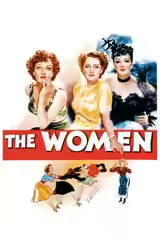
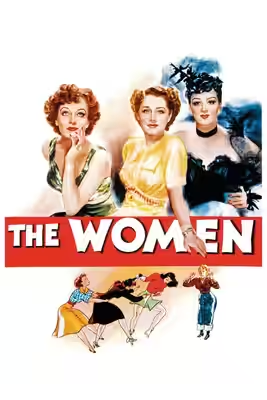
  1. The Women (1939) · not reviewed yetFemale solidarity comes with sharper elbows and considerably less patience for sentiment.

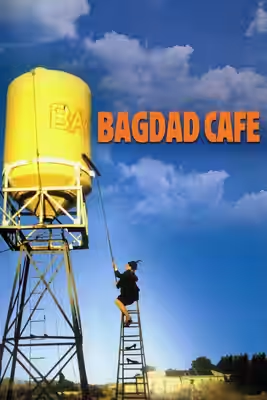
  2. Bagdad Cafe (1987) · not reviewed yetAnother unlikely female friendship, with more eccentric humour and room to breathe.

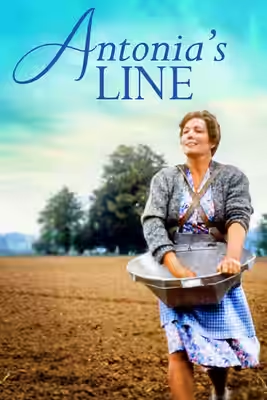
  3. Antonia's Line (1995) · not reviewed yetWomen build a community on their own terms, with less coyness about desire.

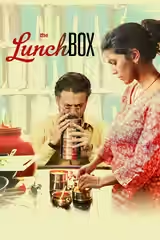
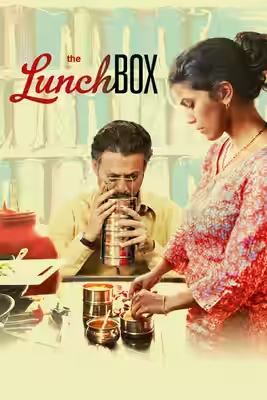
  4. The Lunchbox (2013, Fi1m 75)An indirect connection helps two lonely people imagine living differently.

  5. Volver (2006, Fi1m 84)Female loyalties hold firm through a less decorous mixture of comedy and trouble.

Free account

Know what to watch tonight

Two lists that know where things are streaming, collections you can share, your own score beside ours, and Discover that remembers what you have seen.

  • Want to see, sorted by what is streaming now
  • Seen, with your score out of ten
  • No adverts, ever