Bill Condon’s drama about James Whale is warm, moving and worth watching for Ian McKellen and Brendan Fraser. The script explains too much, but the two actors give the friendship a tenderness that makes the clumsiness forgivable.
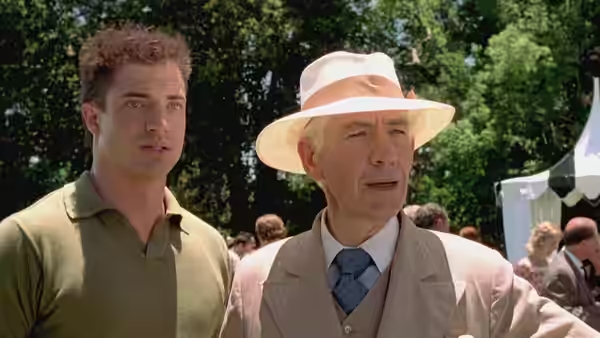
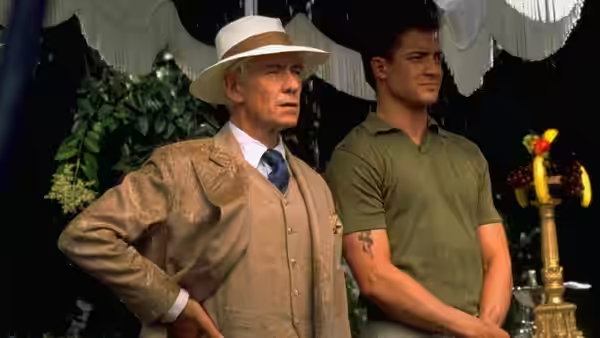
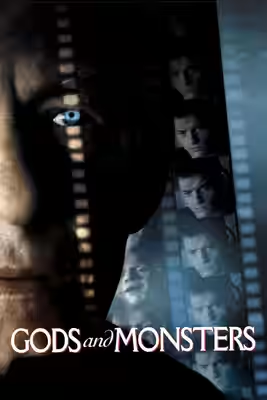
Bill Condon’s Gods and Monsters is a moving drama about an unlikely friendship, with a lead performance more searching than the screenplay around it. Ian McKellen plays James Whale, a gay film director whose later life supplies the basis for this fictionalised account. Brendan Fraser is Clayton Boone, the young gardener who becomes his companion. Condon, adapting Christopher Bram’s novel, is interested in what happens when someone accustomed to commanding attention has to ask for it.
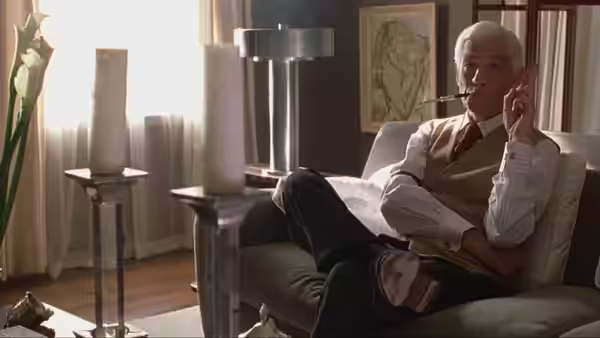
McKellen gives Whale the practised ease of a man who knows how to make company enjoyable, and enough unease to suggest the effort involved. His wit is pleasurable, but it does not make him invulnerable. We were moved by the loneliness in his scenes with Fraser, because McKellen makes the wish to be liked so difficult for Whale to disguise. The performance allows for vanity and calculation without treating either as grounds for withholding sympathy.
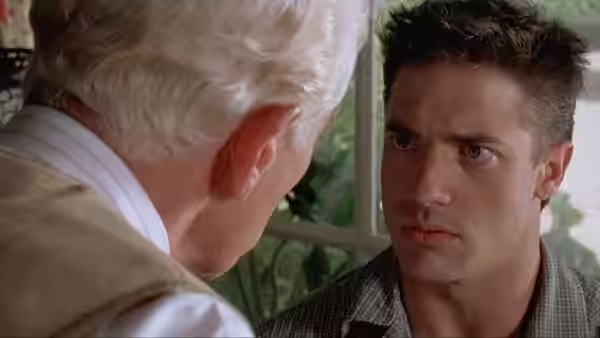
Fraser deserves a share of the credit for that. Boone could have been reduced to the convenient younger man who lets an older character explain his life, particularly in a script this fond of recollection. Fraser gives him sufficient weight that the encounters feel like a relationship between two people, even when Condon is arranging another opportunity for Whale to look back. We believe Boone has a life beyond these conversations, which makes his participation in them matter.
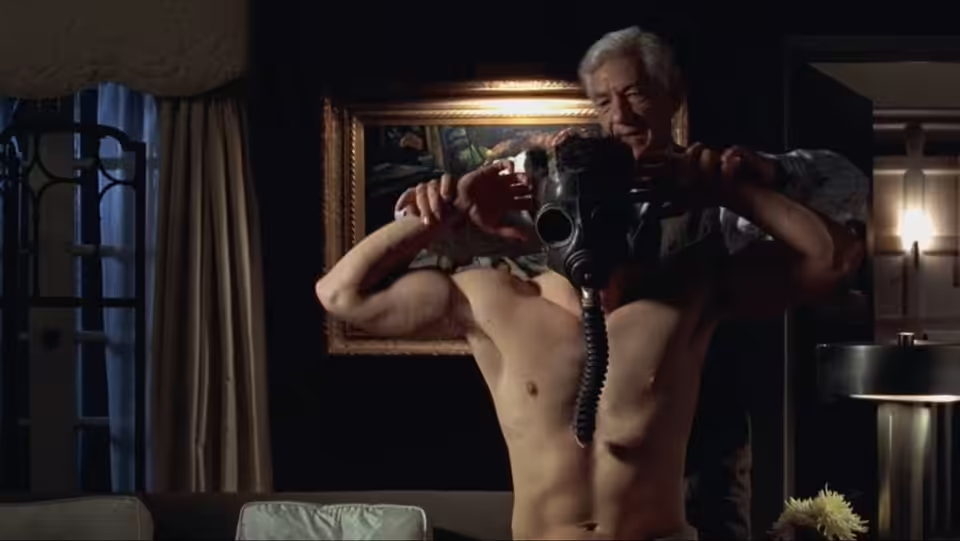
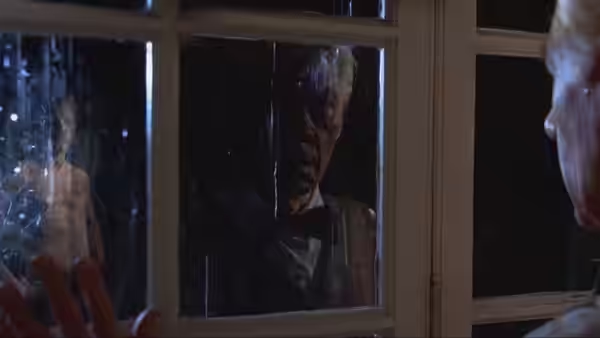
Stephen M. Katz’s photography gives the California setting an openness that suits the film’s warmth. The angular echoes of Whale’s horror films are less reassuring, and Richard Sherman’s production design helps make Hollywood’s comforts look like poor consolation for Whale’s losses. These are useful choices for a drama in which memory keeps intruding on present company. Condon occasionally presses the resemblance too hard, but the images do much of the work before the dialogue begins explaining it.
Virginia Katz’s editing is clear through the shifts into Whale’s past, so we are seldom busy working out where we are when we should be attending to him. The recollections deepen our sense of what Whale brings to the friendship without making the present-day scenes feel like interruptions. Carter Burwell’s music contributes to the tenderness without requiring the actors to compete with it. The film works best when Condon allows their performances to determine how much a moment should mean.
The writing is less discreet. Condon sometimes explains a feeling that McKellen has already made clear, and the dialogue can sound as though it is checking that we have understood the connection between an artist and his creatures. The echoes of Frankenstein are easy enough to grasp without this assistance. That fondness for explanation limits the film’s complexity, though it never becomes severe enough to turn Whale into a case study or Boone into someone who merely asks questions for our benefit.
As a drama about old Hollywood, it is refreshingly willing to spend time on companionship rather than insist that fame itself is fascinating. There is hurt here, and humour, without much appetite for punishing Whale for either his vanity or his desires. We would not turn to it for a full account of his career; Condon has chosen a smaller subject and mostly judged its scale well. Watch it for McKellen, but leave enough attention for Fraser.