Bill Condon's screenplays find a way into a story from the side: a stage musical relocated inside its heroine's head, a film director's life told through his gardener. The trick is a good one, and he tends to explain it once too often.
Fi1m perspective
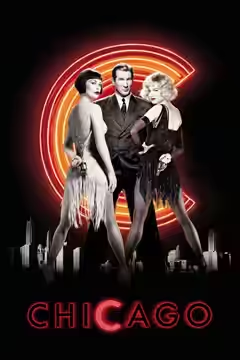
In Chicago (2002), a drum rolls, Taye Diggs steps to a microphone, and the ugly scene Roxie Hart is living through restages itself in a theatre only she can see. That was Bill Condon's answer to the question that kept the Kander and Ebb musical off the screen for a quarter of a century: where do the songs come from? It is the Condon move in miniature. He does not walk in through the front door of a story; he finds a window.
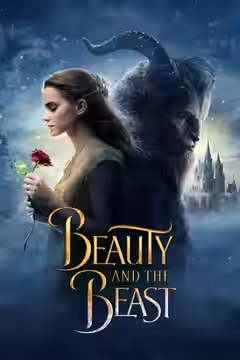
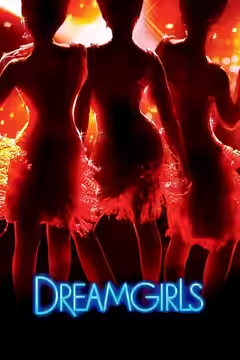
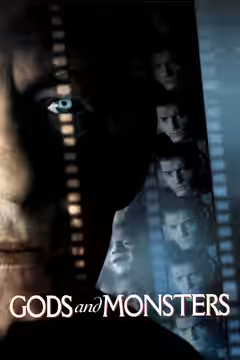
He has said as much himself: "I think that finding a way into somebody's life that's sort of off from a side angle can tell you more about that person than a greatest hits approach." It took him a while to get there. He began as a journalist and screenwriter with Strange Behavior (1981) and Strange Invaders (1983), directed Sister, Sister (1987), then television films and Candyman: Farewell to the Flesh (1995). Gods and Monsters (1998), which he wrote and directed, is where the side angle first paid off: James Whale's later life, seen through Clayton Boone, the young gardener who becomes his companion. Since then he has alternated between lives and musicals: Kinsey (2004), Dreamgirls (2006), the last two Twilight films (2011–2012), Beauty and the Beast (2017).
What works is the framing and the trust he places in actors. In Gods and Monsters Condon, adapting Christopher Bram's novel, is interested in what happens when a man used to commanding attention has to ask for it, and he lets Ian McKellen and Brendan Fraser carry that rather than the dialogue. Stephen M. Katz's open California light and Carter Burwell's music leave them room; Virginia Katz's cutting keeps the shifts into Whale's past clear. McKellen has now worked with him three times, and the reason is plain in that film. Fraser's Boone moved us more than we expected, because Condon wrote him a life outside the conversations, so that his listening counts for something.
What does not work is the explaining. The Gods and Monsters script keeps arranging another chance for Whale to reminisce, and it presses the resemblance to his horror films when the pictures have already made the point. In Chicago the idea is sound and the film rides it hard for 113 minutes, but the editing chops the dancing so fine that the best thing in it is barely visible. That is Rob Marshall's problem more than Condon's, though a script built on numbers only works if we get to see them. The Twilight films and The Fifth Estate (2013) were less warmly received, and we have not reviewed them, so we will leave them there.
He is still working; Kiss of the Spider Woman is next. Start with Gods and Monsters, and forgive it for telling you what you have already seen.
Biography
Bill Condon is an American director and screenwriter. Born in New York City on 22 October 1955, he wrote and directed the film Gods and Monsters (1998), for which he received the Academy Award for Best Adapted Screenplay.
He has also directed Kinsey (2004), Dreamgirls (2006), The Twilight Saga: Breaking Dawn – Part 1 (2011), The Twilight Saga: Breaking Dawn – Part 2 (2012) and Beauty and the Beast (2017). His screenplay for Chicago (2002) earned a further Academy Award nomination for Best Adapted Screenplay.