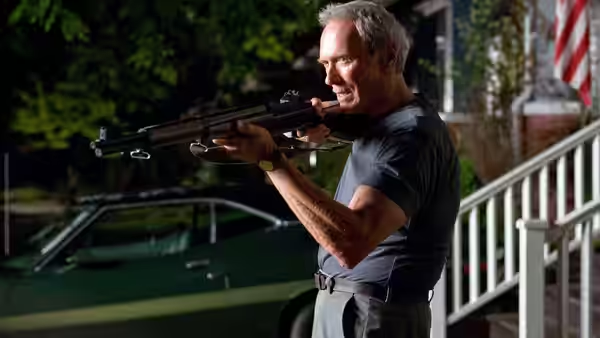
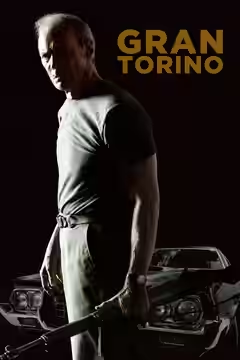
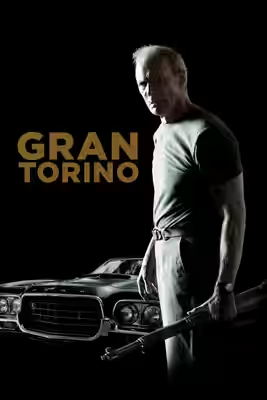
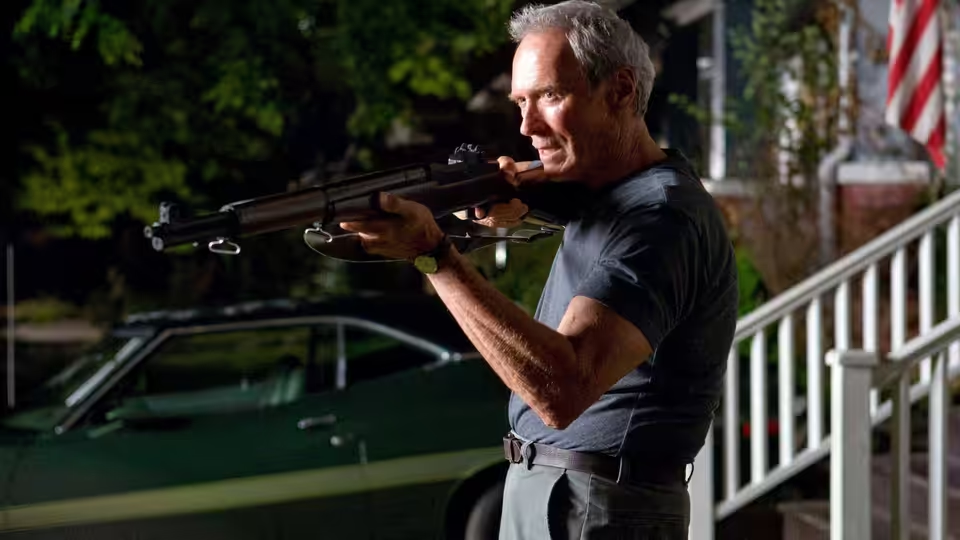
Walt Kowalski (Clint Eastwood) aiming a rifle outside his house at night
Film review

Gran Torino

2008 · Directed by Clint Eastwood · 1h 56m · MPA R

In a sentenceClint Eastwood makes being nice to the neighbours look physically painful

Walt Kowalski (Clint Eastwood) is a retired autoworker and Korean War veteran living in Detroit. He resents the changes around him and regards his Hmong neighbours with suspicion. As he becomes involved in their lives, including those of teenagers Thao (Bee Vang) and Sue (Ahney Her), he finds himself facing responsibilities he would prefer to avoid. His growing connection to them brings his prejudices into question, along with his ideas about family, masculinity and violence. Christopher Carley plays Father Janovich in this drama directed by Eastwood and written by Nick Schenk.

Fi1m review

Clint Eastwood’s cantankerous performance makes this blunt drama about prejudice and neighbourliness worth an evening. The script is heavy-handed and the supporting characters unevenly served, but Walt’s reluctant affection remains convincing.

Clint Eastwood gives Gran Torino enough bad temper and wounded pride to make a familiar redemption story worth watching. It is a good, blunt drama, strongest when it allows its leading man to be funny and disagreeable at once. Walt Kowalski, a retired Detroit autoworker and Korean War veteran, regards his Hmong neighbours with open hostility. As he is drawn into their lives, the film asks how far an old man’s habits can change. Nick Schenk’s screenplay makes the destination fairly clear from the outset.

Eastwood makes Walt’s hostility funny through the effort he puts into sustaining it. The snarling delivery suggests a man who considers ordinary conversation an imposition, and the performance stays abrasive even when the story invites sympathy. We laughed at that voice, then felt uncomfortable when the racial contempt became part of the entertainment. Schenk depends heavily on the audience accepting Walt’s insults as evidence of a redeemable old grouch. Eastwood makes that gamble work more often than the writing deserves.

Bee Vang’s Thao and Ahney Her’s Sue give Walt people to deal with who cannot simply be dismissed as a changing neighbourhood. Her brings a useful directness to their exchanges, while Vang’s delivery can feel stiff. There is sincerity in both performances, but Schenk too often gives the younger characters the job of improving Walt. We get less sense of what their lives might look like without him. That imbalance matters in a film asking us to take his neighbours seriously.

Tom Stern’s cinematography is well judged for a drama dominated by Eastwood’s face: the images do not compete with that expression. James J. Murakami’s production design gives the neighbourhood an ordinariness that helps, keeping Walt’s hostility among recognisable domestic surroundings. This is an apt scale for the story, with people living close enough to make avoidance difficult. The plain presentation also makes the contrived conversations harder to overlook.

Joel Cox and Gary D. Roach’s editing gives the comedy room without letting the exchanges sprawl. The film’s 116 minutes feel proportionate to this modest story, and Eastwood’s direction rarely labours a moment as much as Schenk’s dialogue does. Kyle Eastwood and Michael Stevens’s music is similarly restrained, a sensible choice when the writing states so much outright. The problem is the predictability of Walt’s progress, which tidy pacing can only do so much to disguise.

The family scenes are where that writing becomes most troublesome. Walt’s relatives are presented as grasping caricatures, making it too easy to approve of his growing attachment elsewhere. Schenk has arranged the comparison so firmly that there is little for us to work out. Even so, we were moved by Walt’s reluctant affection for his neighbours, because Eastwood never makes kindness look easy for this man. His performance preserves some of the difficulty that the screenplay is so keen to settle.

Gran Torino also takes seriously the attraction of a tough man who promises to put things right. It belongs beside urban vigilante dramas, with their questions about who gets to use violence and who lives with the consequences. Eastwood’s attention to responsibility gives the film enough substance to survive its blunt lessons about prejudice. Watch it when you have patience for an old-fashioned redemption story and an actor unwilling to sweeten the old man at its centre.

Critical consensus AI synthesised

74
Positive
10
Mixed
0
Negative
1

Most critics like Gran Torino, and nearly all of them like it for the same reason: Eastwood. The praise clusters on his performance as Walt Kowalski, the bigoted Korean War veteran drawn into the lives of his Hmong neighbours, which several reviews credit with keeping a familiar redemption story clear of absurdity. His direction is admired for being lean and unfussy, and the script is praised for balancing comedy against serious questions of race, violence and vengeance. The Hmong cast draws warm notice as well.

The reservations fall on the writing. Several critics find the plotting schematic and the screenplay heavy-handed, with Den of Geek objecting to Walt’s relatives as money-grabbing caricatures and Total Film noting awkward supporting turns. The spread is narrow: ten positive, one negative. The dissenter is The Hollywood Reporter, which finds the film unstable and unsubtle, a return to Dirty Harry comedy rather than Eastwood’s more serious recent work, though it too praises the Hmong actors.

Los Angeles Times
12 December 2008 · Kenneth Turan
80*

Eastwood’s commanding presence and directing style turn a familiar story of prejudice and redemption into something distinctive, with the 78-year-old star convincingly playing a tough, bigoted retiree drawn into his Hmong neighbors’ lives. The review highlights the film’s shift into serious questions about violence, responsibility, and vengeance.

Read the full review →
Screen Daily
5 December 2008
80*

It is an unpretentious, often very funny humanist drama and a small jewel in Eastwood's canon as director and a highpoint as actor. The provocative central character, magnificent performance and momentously moving finale are highlighted.

Read the full review →
Time Out
17 February 2009 · ★★★★ · Geoff Andrew
80

The comedy-drama is a wise, insightful exploration of family, friendship, violence and vengeance rather than a simple vigilante story. Eastwood's subtle, charismatic performance and the film's wit and intelligence in covering race, age and individualism are praised.

Read the full review →
Slant Magazine
9 December 2008 · Bill Weber
75*

The critic sees Walt's reformation as inevitable but effective due to Eastwood's brusque performance, which avoids making the character too cuddly. It praises the film's archetypal story and cinematography while noting broad strokes in the screenplay.

Read the full review →
The Guardian
20 February 2009 · Peter Bradshaw
75*

The critic calls Eastwood's performance a treat that no one else could have pulled off, saving the film from absurdity and making it an enjoyably big, brash, macho melodrama. He praises the cracking star turn while noting the film's conservative streak and questions the lead character's transformation.

Read the full review →
Variety
4 December 2008 · Todd McCarthy
75*

The review calls Eastwood’s snarly, entertaining performance the highlight of this straightforward drama about a cantankerous Korean War vet who confronts his prejudices while helping Hmong teenagers in his Detroit neighborhood. It notes the script’s balance of humor and serious themes on race and immigration, predicting broad audience appeal.

Read the full review →

Straight answers AI written, from our review

Is Gran Torino worth watching?
Gran Torino is worth an evening for anyone with patience for an old-fashioned redemption story, and we scored it 76. Clint Eastwood's funny, disagreeable performance as Walt Kowalski carries a blunt drama whose script is heavy-handed and whose supporting characters are unevenly served. Come for the actor rather than the lessons about prejudice, which the film states outright.
How long is Gran Torino, and what is it rated?
Gran Torino runs 1h 56m and is rated R by the MPA in the US. It is a drama film.
Where can I watch Gran Torino in the US?
Gran Torino is available to rent from Amazon Prime Video and Apple TV from $4.99. Availability is checked daily; the links above go straight to each service.
How violent or frightening is Gran Torino, and is it suitable for children?
Gran Torino is a 15 certificate drama, not suitable for children, and unlikely to frighten adults. Its adult content lies mostly in Walt's racial insults, which the film treats as part of the comedy, and in the threat of violence hanging over his Hmong neighbours, which the story takes seriously. Teenagers old enough for the certificate should manage it; the squeamish need not worry about gore.
How does Gran Torino compare to Unforgiven?
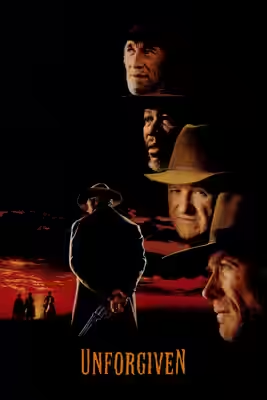
Gran Torino and Unforgiven both give Clint Eastwood a hard man with reasons to question his own violence, but Unforgiven is the finer film. The Western is grave and absorbing, and we would send a stranger to it; Gran Torino is a blunter, more predictable drama that depends on Eastwood's cantankerous performance to survive Nick Schenk's heavy-handed script. Choose the earlier film first.
What should I watch after Gran Torino?
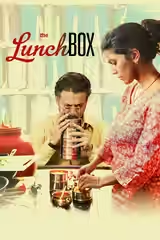
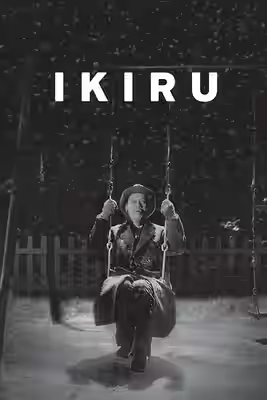
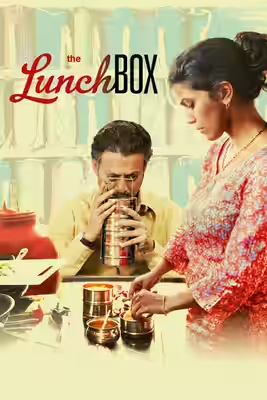
After Gran Torino, try Unforgiven (1992, Fi1m 92): Eastwood gives another hard man reasons to question his own violence. Then Ikiru (1952, Fi1m 92): An ageing bureaucrat searches for usefulness, with greater patience and emotional depth; and The Lunchbox (2013, Fi1m 75): An unlikely friendship develops through ordinary courtesies, with considerably less growling.

Cast

If you liked this, try…

  1. Unforgiven (1992, Fi1m 92)Eastwood gives another hard man reasons to question his own violence.

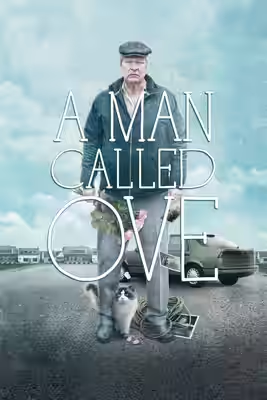
  2. A Man Called Ove (2015) · not reviewed yetAnother hostile neighbour finds unwanted company, with a softer comic touch.

  3. Ikiru (1952, Fi1m 92)An ageing bureaucrat searches for usefulness, with greater patience and emotional depth.

  4. The Visitor (2007) · not reviewed yetA solitary man’s friendship with immigrants tests his comfortable assumptions.

  5. The Lunchbox (2013, Fi1m 75)An unlikely friendship develops through ordinary courtesies, with considerably less growling.

Free account

Know what to watch tonight

Two lists that know where things are streaming, collections you can share, your own score beside ours, and Discover that remembers what you have seen.

  • Want to see, sorted by what is streaming now
  • Seen, with your score out of ten
  • No adverts, ever