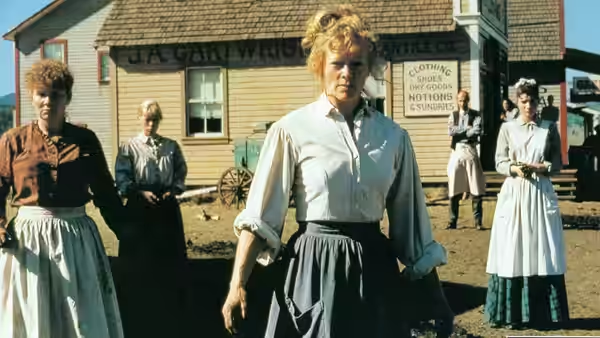
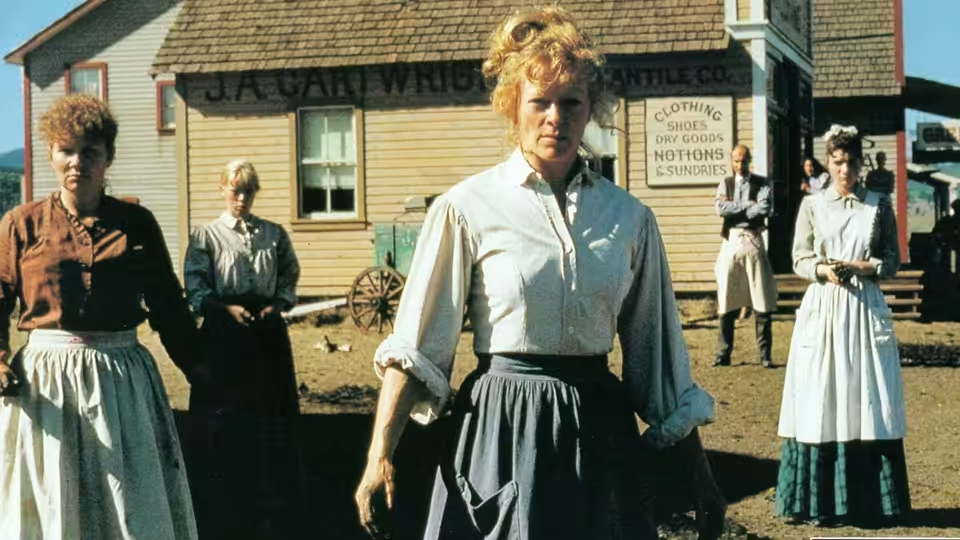
women in long dresses standing outside wooden buildings on a dirt street
Film review

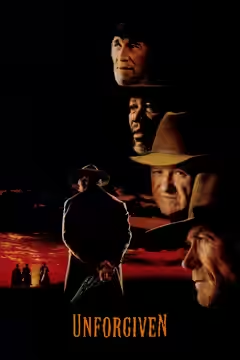
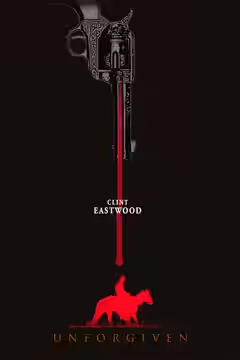
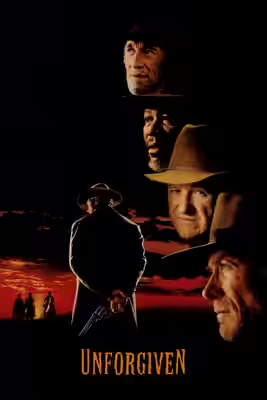
Unforgiven

1992 · Directed by Clint Eastwood · 2h 10m · MPA R

In a sentenceThe sheriff is frighteningly certain that the sheriff is right

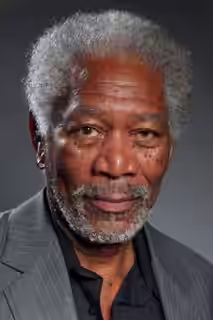
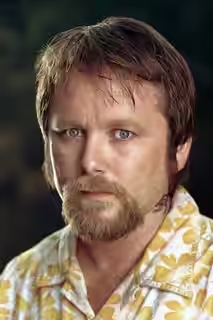
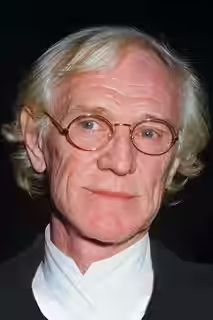
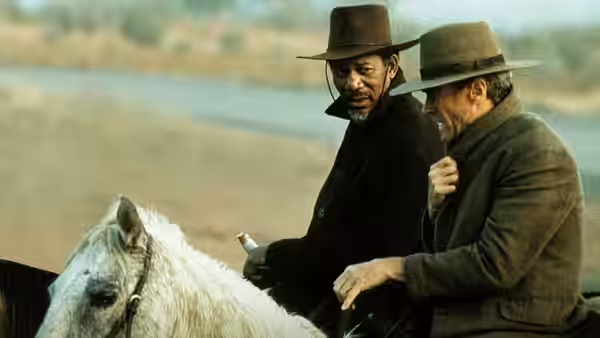
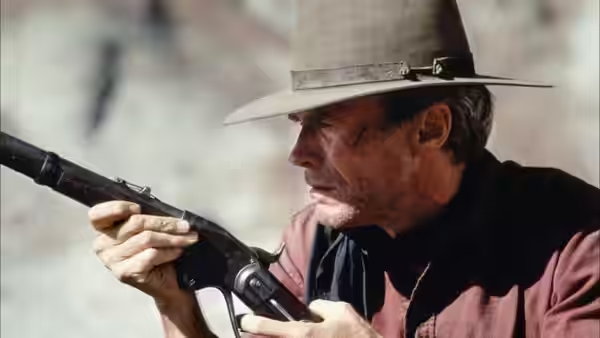
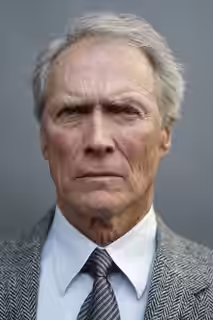
William Munny (Clint Eastwood) has left his life as a gunslinger behind, but violence still shapes the frontier around him. Sheriff ‘Little’ Bill Daggett (Gene Hackman) enforces his authority with cruelty, while the reputations of gunmen invite closer examination. Morgan Freeman plays Ned Logan, Jaimz Woolvett is the Schofield Kid and Richard Harris is English Bob. Their stories unfold in a West where killing brings guilt as well as fame, and where the distinction between heroism and brutality depends on who is telling the story.

Plays from YouTube when you press play; nothing loads from them until then.

Fi1m review

Clint Eastwood makes a grave, absorbing Western about the damage done by violent men and the stories told about them. Its attraction to gunfighter legend occasionally troubles us, but we would send a stranger to it.

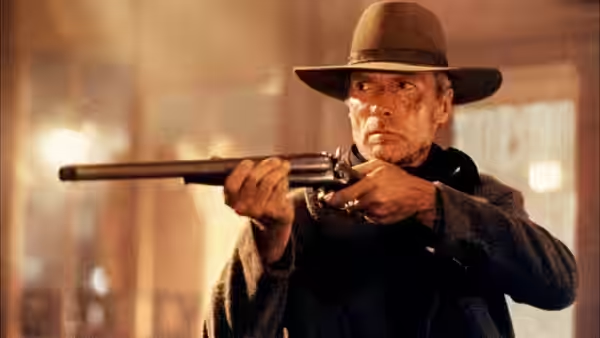
Unforgiven is a grave, absorbing Western, and we would recommend it even to someone who usually avoids the genre. Clint Eastwood directs and plays William Munny, a retired gunslinger whose history makes easy admiration uncomfortable. David Webb Peoples’s screenplay takes killing seriously enough to consider the guilt that stays with the people who do it. Eastwood gives that subject time, asking us to spend 130 minutes with men whose experience of violence has done little to make them wise.

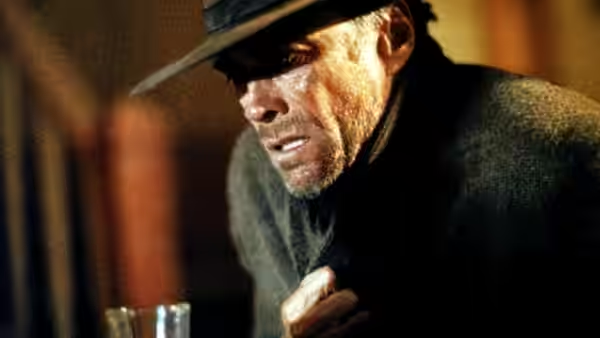
Eastwood’s weariness is essential to the performance. Munny does not seem to have acquired much comfort from surviving, and the actor makes his past feel burdensome without continually insisting on our sympathy. Morgan Freeman, as Ned Logan, brings a welcome warmth that keeps the film from becoming a procession of grim faces. Their performances give us people to care about, which matters when a film is this determined to challenge our appetite for gunmen.

Gene Hackman’s Little Bill Daggett is the performance that unsettled us most. We were frightened by his ease with cruelty. He makes the sheriff’s sadism seem reasonable to the man practising it, as though enforcing the law settles any question about how he ought to behave. Hackman gives him enough confidence and complexity that we cannot dismiss him as a stock villain and wait comfortably for the story to deal with him.

Jack N. Green’s cinematography gives the West a beauty we cannot quite relax into. The space around these men makes them seem exposed, and keeps their physical frailty in view. Henry Bumstead’s production design makes the frontier feel inhabited and uncomfortable, without the cosiness that period surroundings can acquire. We believe people have to live in these places, and the lack of comfort helps explain their impatience with each other.

Joel Cox’s editing is patient with the actors, giving their exchanges enough room for uncertainty to register. That patience can make the film feel slow, though a quicker version would risk making the business of killing look efficient again. Lennie Niehaus’s music supplies a tenderness that the men themselves struggle to express. It works because the sadness does not turn their violence into something we are asked to forgive.

There are reservations. The women, including Frances Fisher’s Strawberry Alice and Anna Thomson’s Delilah Fitzgerald, receive less attention than the men, and Peoples leaves us wanting a fuller sense of their lives. The film also retains an attraction to gunfighter legend that sits awkwardly with its scrutiny of killing. We still get the pleasure of watching Eastwood inhabit this familiar kind of role, even while the screenplay asks us to question that pleasure. The tension is interesting, but it does not excuse every imbalance in whose experience gets examined.

Within the Western, its distinction is the seriousness it gives to consequences that can too easily become an excuse for another confrontation. It also asks something difficult of Eastwood’s own gunslinger persona, trusting that our affection for the actor will survive a close look at the men he plays. His willingness to make Munny such uncomfortable company deserves that trust, even when the film’s fascination with him narrows its attention elsewhere. Give it an evening when nobody needs cheering up.
Critical consensus AI synthesised

93
Positive
7
Mixed
0
Negative
0

The reviews are unanimously positive, with praise centred on the film’s treatment of violence as difficult, damaging and impossible to romanticise. Most critics see Unforgiven as Eastwood’s reckoning with Western mythology and his own gunslinger persona. His world-weary performance draws admiration, while the supporting cast receives sustained attention: Hackman’s ruthless but nuanced sheriff is a particular focus, alongside Freeman and Harris. Eastwood’s direction and the film’s attention to the harshness of frontier life also earn praise.

The differences concern how thoroughly the film challenges those myths. Slant Magazine offers the clearest reservation, praising the craft and social awareness while questioning certain omissions and the film’s eventual embrace of mythic elements. That is a qualification within a favourable assessment, not an opposing verdict. The spread is relatively narrow: the critics broadly agree on the film’s achievement, but differ over how far its questioning of the genre goes.

Radio Times
★★★★★ · David Parkinson
100

This is one of the finest films ever made in the western genre, exploring the harsh realities of frontier life where tragedy follows every gunshot. Eastwood's world-weary performance as the retired gunslinger is exemplary, supported by outstanding turns from Freeman, Harris and Hackman, and it serves as both a testament and riposte to his work with Leone and Siegel.

Read the full review →
RogerEbert.com
21 July 2002 · ★★★★/4 · Roger Ebert
100

The film is an elegy for the dying Western and for Eastwood's own gunslinger persona, set in a West where violence has real costs and leaves lasting guilt. It stands out for its rich ensemble of supporting characters and its refusal to romanticize killing.

Read the full review →
The Guardian
19 September 1992 · Philip French
95*

The critic calls it a masterpiece and a magisterial film of great moral complexity, the culmination of Eastwood's work in the genre. He praises its realistic portrayal of frontier history and meditation on violence and American experience.

Read the full review →
Los Angeles Times
7 August 1992 · Kenneth Turan
90*

Eastwood has delivered a dark, revisionist Western that demythologizes violence by stressing its difficulty and emotional cost. The standout element is Gene Hackman's powerful, sadistic yet nuanced performance as the ruthless sheriff Little Bill.

Read the full review →
The Hollywood Reporter
31 July 1992 · Duane Byrge
90*

The film is a magnificently realized work that unflinchingly dismantles romantic myths of the Old West and frontier killing. Eastwood's assured direction and the standout performances of Hackman and Freeman are singled out for praise.

Read the full review →
Slant Magazine
1 August 2017 · Chuck Bowen
80*

Eastwood's film hauntingly examines violence, mythology, and legacy in the Western genre, with memorable scenes underscoring the human cost of killing. It is praised for its social consciousness and formal mastery but critiqued for certain omissions and its ultimate embrace of mythic elements.

Read the full review →

Straight answers AI written, from our review

Is Unforgiven worth watching?
Unforgiven is worth watching, and we scored it 92; we would recommend it even to someone who usually avoids Westerns. Clint Eastwood directs and stars as a retired gunslinger in a grave, absorbing film about the guilt that stays with violent men. It is slow by design and never cheerful, so give it an evening when nobody needs cheering up.
How long is Unforgiven, and what is it rated?
Unforgiven runs 2h 10m and is rated R by the MPA in the US. It is a western film.
Where can I watch Unforgiven in the US?
Unforgiven is available to rent from Amazon Prime Video from $3.99. Availability is checked daily; the links above go straight to each service.
How violent or frightening is Unforgiven, and is it suitable for children?
Unforgiven carries a UK 15 certificate, and it is not a film for children. The violence is taken seriously rather than made exciting, and the sheriff's ease with cruelty frightened us more than any gunfight. Older teenagers who can sit with a slow, sombre film about killing and its consequences should be fine; the squeamish may find it hard going.
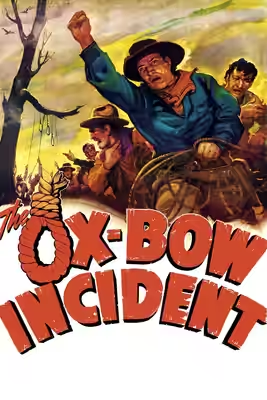
How does Unforgiven compare to The Ox-Bow Incident?
Unforgiven and The Ox-Bow Incident are both Westerns about the frightening confidence of men who believe they are administering justice. Wellman's film is the shorter and more severe of the two, with a lynch mob in which everyone sounds reasonable; Eastwood's is longer, more absorbing and more beautifully shot, and takes killing's aftermath more seriously. We rate Unforgiven the better film, but they make a strong pairing.
What should I watch after Unforgiven?
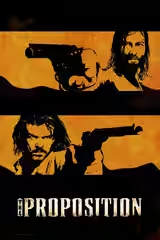
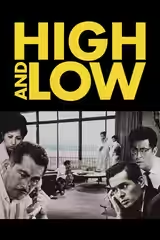
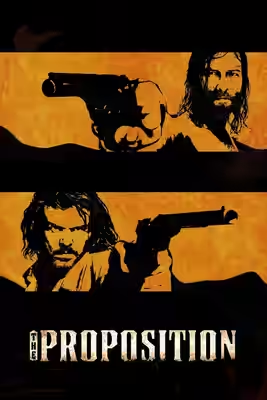
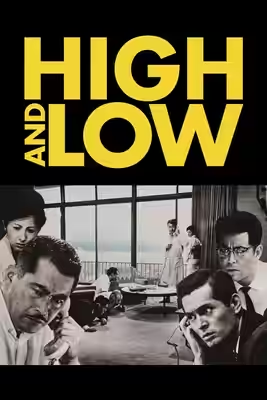
After Unforgiven, try The Ox-Bow Incident (1943, Fi1m 84): A short, severe Western about the terrible confidence of men administering justice. Then The Proposition (2005, Fi1m 79): For more frontier cruelty, with the law scarcely an improvement on the outlaws; and High and Low (1963, Fi1m 90): For another patient study of how money and status complicate doing right.

Cast

Awards

Japan Academy Prize for Outstanding Foreign Language Film, 1994

Nominated
Japan Academy Prize for Outstanding Foreign Language Film

Academy Awards, 1993

Nominated
Best Actor
Nominated
Best Cinematography
Nominated
Best Production Design
Nominated
Best Sound
Nominated
Best Writing, Original Screenplay
Won
Best Director
Won
Best Film Editing
Won
Best Picture
Won
Best Supporting Actor

BAFTA Film Awards, 1993

Nominated
Best Direction
Nominated
Best Film
Nominated
Best Original Screenplay
Nominated
Best Sound
Won
Best Actor in a Supporting Role

Writers Guild of America Award for Best Original Screenplay, 1993

Nominated
Writers Guild of America Award for Best Original Screenplay

Dallas-Fort Worth Film Critics Association Award for Best Film, 1992

Won
Dallas-Fort Worth Film Critics Association Award for Best Film

Directors Guild of America Award for Outstanding Directing – Feature Film, 1992

Won
Directors Guild of America Award for Outstanding Directing – Feature Film

Golden Globes, 1992

Nominated
Best Motion Picture – Drama
Nominated
Best Screenplay
Won
Best Director
Won
Best Supporting Actor – Motion Picture

London Film Critics Circle Award for Film of the Year, 1992

Won
London Film Critics Circle Award for Film of the Year

Los Angeles Film Critics Association Award for Best Actor, 1992

Won
Los Angeles Film Critics Association Award for Best Actor

Los Angeles Film Critics Association Award for Best Director, 1992

Won
Los Angeles Film Critics Association Award for Best Director

Los Angeles Film Critics Association Award for Best Film, 1992

Won
Los Angeles Film Critics Association Award for Best Film

National Society of Film Critics Award for Best Actor, 1992

Nominated
National Society of Film Critics Award for Best Actor

National Society of Film Critics Award for Best Cinematography, 1992

Nominated
National Society of Film Critics Award for Best Cinematography

National Society of Film Critics Award for Best Director, 1992

Won
National Society of Film Critics Award for Best Director

National Society of Film Critics Award for Best Film, 1992

Won
National Society of Film Critics Award for Best Film

National Society of Film Critics Award for Best Screenplay, 1992

Won
National Society of Film Critics Award for Best Screenplay

National Society of Film Critics Award for Best Supporting Actor, 1992

Won
National Society of Film Critics Award for Best Supporting Actor

If you liked this, try…

  1. The Ox-Bow Incident (1943, Fi1m 84)A short, severe Western about the terrible confidence of men administering justice.

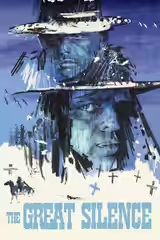
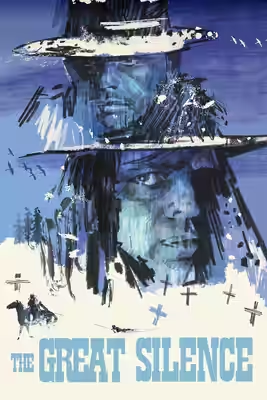
  2. The Great Silence (1968) · not reviewed yetAnother Western that makes paid killing ugly and offers little reassurance.

  3. The Proposition (2005, Fi1m 79)For more frontier cruelty, with the law scarcely an improvement on the outlaws.

  4. High and Low (1963, Fi1m 90)For another patient study of how money and status complicate doing right.

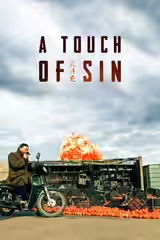
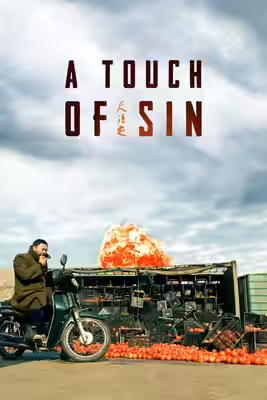
  5. A Touch of Sin (2013) · not reviewed yetViolence and humiliation in modern China, treated with comparable seriousness about their causes.

Free account

Know what to watch tonight

Two lists that know where things are streaming, collections you can share, your own score beside ours, and Discover that remembers what you have seen.

  • Want to see, sorted by what is streaming now
  • Seen, with your score out of ten
  • No adverts, ever