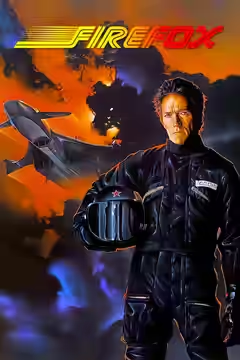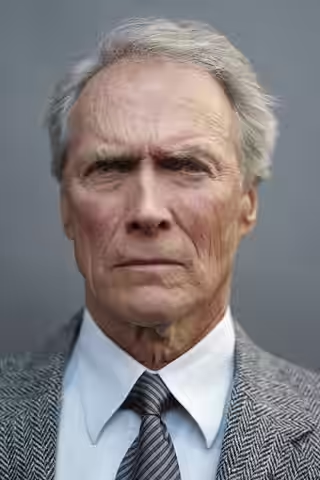
Clint Eastwood does less in front of a camera than any leading man of his standing, and has spent sixty years finding out what that stillness can carry. As the Man with No Name it was menace; as Frankie Dunn it is fear.
Fi1m perspective
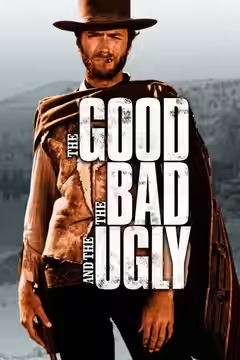
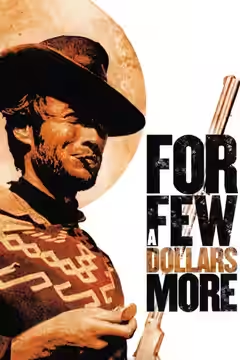
Watch his face in The Good, the Bad and the Ugly (1966) while Eli Wallach is doing everything. It does almost nothing, so each small change in it counts. Sergio Leone found that out across For a Few Dollars More (1965) and the other Dollars films, and Eastwood has said of the part: "I wanted to play it with an economy of words and create this whole feeling through attitude and movement." Other actors reach for a line. He waits, and the scene comes to him.
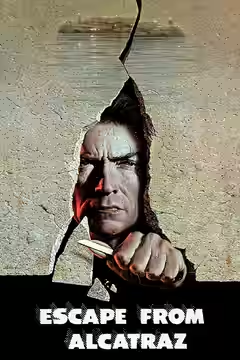
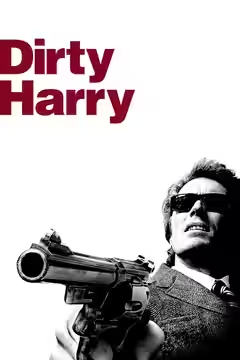
Don Siegel found the second use for that patience. In Dirty Harry (1971) the stillness is a threat: Eastwood drags out the question about luck with the confidence of a man who expects everyone else to wait for him, and the film hands him an authority it never thinks to question. In Escape from Alcatraz (1979) the stillness is a method. Frank Morris watches, measures and waits, and Eastwood never asks for our sympathy, which is why we give it. He has never been a varied actor and has seldom needed to be.
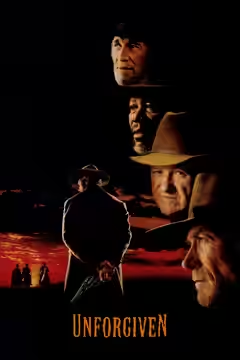
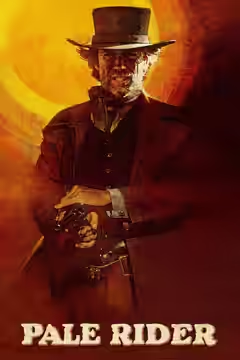
From Pale Rider (1985) he mostly directed himself, and the question became whether he would let the persona be looked at. In Pale Rider he does not: Preacher is so calm that we never fear for him. In Unforgiven (1992) he does. William Munny is tired and uncomfortable company, and the film asks us to look hard at the men Eastwood has played while still enjoying watching him play one. It never quite settles that argument. It is the best film he has directed, and we would send a stranger to it.
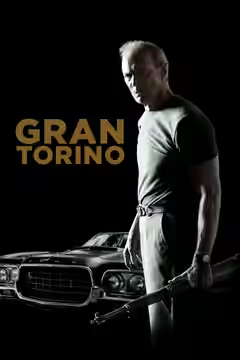
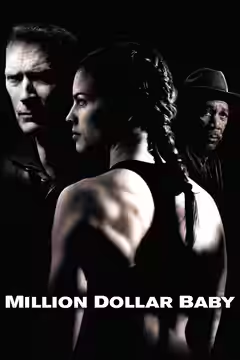
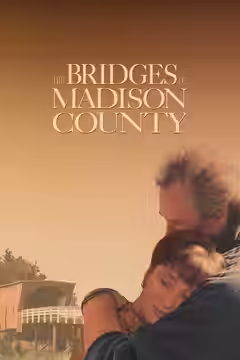
The surprise of the later work is how much feeling the stillness turns out to hold. In The Bridges of Madison County (1995) he stands back and lets Meryl Streep change the weather, and the flower prank makes two adults funny and tender at once. In Million Dollar Baby (2004) Frankie Dunn's guardedness looks like something that costs him effort every day, and his growing tenderness towards Hilary Swank's Maggie moved us because he lets it look like a risk rather than a reward. Gran Torino (2008) is the limit case. Walt Kowalski's snarl is funny because of the work he puts into keeping it up; we laughed, then felt uncomfortable when the insults became the entertainment, and Nick Schenk's script leans on them harder than Eastwood's performance needs.
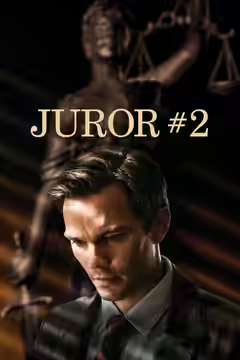
Joel Cox, who has cut more than thirty of his films, gives him the time the method requires, and Tom Stern lights Walt so that nothing in the frame competes with the face. As a director he has made good films without himself in them, Mystic River (2003), Letters from Iwo Jima (2006), Juror #2 (2024), and the patience is the same. If you want to see what he does as an actor, do not start with a gun. Start with Robert Kincaid testing a remark on Meryl Streep and waiting to find out whether she will meet him halfway.
Biography
Clint Eastwood is an American actor and director. He was born on 31 May 1930 in San Francisco, California. He first gained prominence on the television series Rawhide (1959–65) and starred as the Man with No Name in Sergio Leone's Dollars Trilogy, including A Fistful of Dollars (1964) and The Good, the Bad and the Ugly (1966). He later played Inspector Harry Callahan in the Dirty Harry films.
Eastwood has directed more than 40 films. He received Academy Awards for Best Director and Best Picture for Unforgiven (1992) and Million Dollar Baby (2004). His other directorial credits include Gran Torino (2008), The Mule (2018) and Juror #2 (2024). He has also produced and composed music for several of his projects.