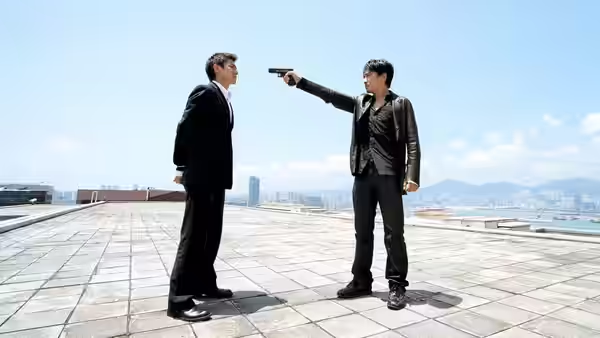
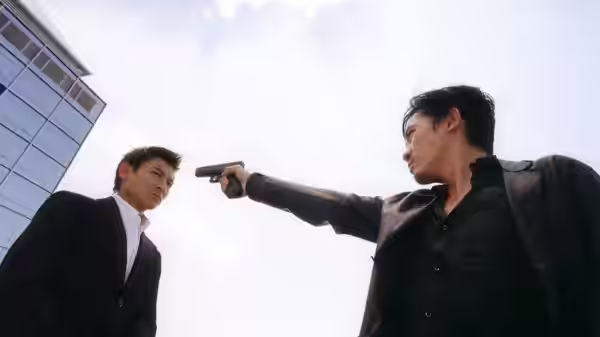
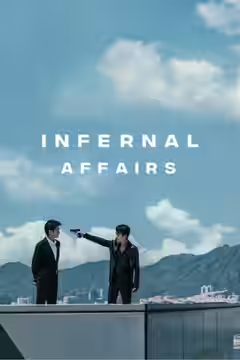
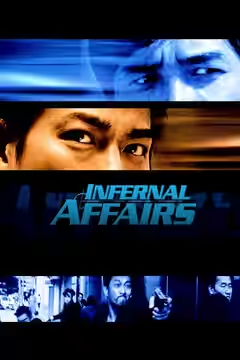
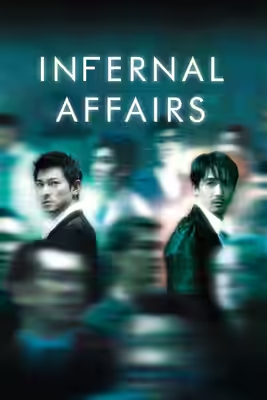
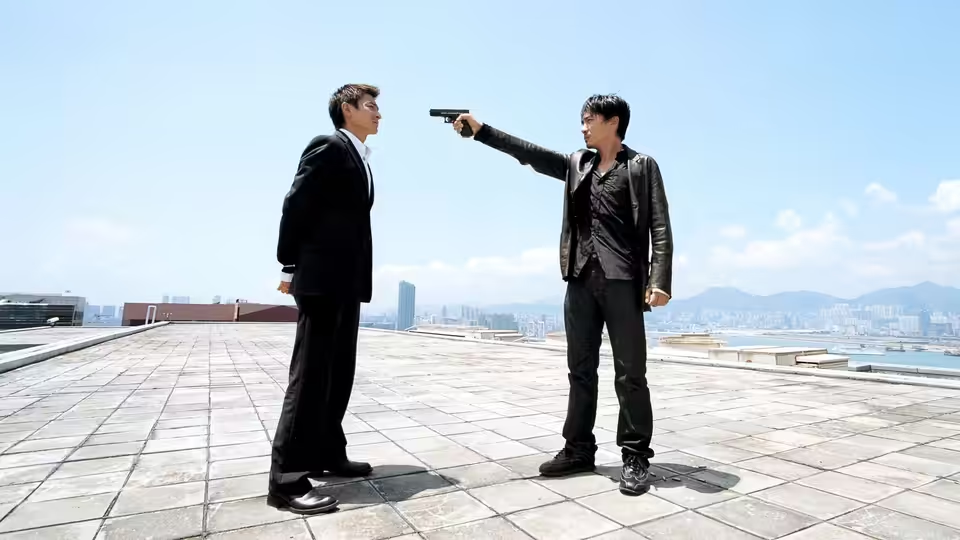
Andy Lau aiming a handgun at Tony Leung on a sunny rooftop
Film review

Infernal Affairs

2002 · Directed by Alan Mak, Andrew Lau · 1h 41m · MPA R

In a sentenceTwo informers trying to stay employed in professions with unusually strict dismissal procedures

A police officer works undercover among criminals while a criminal operates inside the police. Each side has a mole, and the two men must protect their own cover while trying to identify the other. The information they pass can help their employers and expose themselves, making every exchange a risk. Andy Lau and Tony Leung Chiu-wai lead the cast, alongside Anthony Wong Chau-Sang and Eric Tsang Chi-Wai. Directed by Andrew Lau Wai-Keung and Alan Mak Siu-Fai, Infernal Affairs follows the two infiltrators as their duties force them to question where their loyalties belong.

Fi1m review

We recommend this tense crime thriller for its precise editing and two leads who make deception look exhausting. The script’s parallels occasionally feel too tidy, but Andy Lau and Tony Leung Chiu-wai keep the danger personal.

A policeman has infiltrated the criminals, and a criminal has infiltrated the police. Infernal Affairs makes an excellent thriller from the difficulty of hunting down the other informer while concealing that daily betrayal. Directors Andrew Lau Wai-Keung and Alan Mak Siu-Fai understand how much suspense there is in the effort to appear useful and trustworthy. Neither man can relax. At 101 minutes, the film moves quickly, but it gives us time to consider how exhausting that effort must be.

The screenplay, by Alan Mak Siu-Fai and Felix Chong Man-Keung, keeps the two jobs closely connected, so that progress for one man means trouble for the other. Information has to be obtained, passed on and acted upon without giving its source away. We held our breath during those exchanges, because getting a message through can put the sender in danger. Danny Pang Phat and Curran Pang’s editing makes the competing efforts legible without giving us the comfort of knowing what comes next.

Tony Leung Chiu-wai gives the film a tired, frightened man to care about. He looks worn down by the need to calculate his behaviour, and his watchfulness makes even a quiet moment feel precarious. Andy Lau is more composed, with a face that seems to check itself before letting anything show. Small changes of expression do much of the work. Both men make keeping control look like a full-time occupation.

Andrew Lau Wai-Keung and Lai Yiu-Fai photograph the film with a polish that could easily have made it feel remote. The camera’s restless movement works because it keeps returning our attention to people watching one another and weighing what they have heard. The sleek surfaces are pleasing, but the faces remain the reason to look. It is particularly effective with Leung, whose visible strain prevents the handsome images from making this life look appealing.

The film can be too pleased with the resemblance between its two men. Mak and Chong occasionally press the comparison hard enough that we start noticing how carefully the situations have been matched, when we would rather be worrying about the next mistake. Comfort Chan’s music sometimes underlines distress that Leung has already made clear. Neither problem derails the suspense, but both make us appreciate the passages where an expression and a piece of withheld information are allowed to be enough.

The film earns its place among undercover thrillers by taking the strain of the job seriously. Being believed requires each man to keep behaving like the person he claims to be, and the script asks how long he can do that without changing. That gives the plotting a consequence beyond the prospect of exposure. We care about whether these men can keep going, and the directors let that question occupy time another action thriller might spend on a fight.

Go in prepared to follow the details rather than wait for the next burst of action. The film asks us to remember who knows what, and a distracted few minutes can cost more here than in a thriller built around pursuit alone. Give it an uninterrupted evening, and leave the messages until afterwards.

Critical consensus AI synthesised

82
Positive
16
Mixed
0
Negative
1

With only 4 reviews in so far, the consensus is uniformly positive, with praise centred on the dual-mole plot, controlled suspense and performances, particularly Tony Leung’s. The reviews find substance beneath the polished surfaces: careful writing and rich characterisation give the thriller’s intricate plotting emotional weight. Energetic camerawork and sharp editing also draw approval, supporting the tension rather than merely decorating it. There is little disagreement or explicit reservation in this sample; the main difference is emphasis, with some critics drawn to its youthful energy and others to its psychological depth.

RogerEbert.com
23 December 2004 · ★★★★/4 · Roger Ebert
100

The film excels due to the emotional complexity and inner turmoil of its two leads living double lives as moles. The critic highlights the ironic, sad confrontation with their true identities and the performances that convey this tension.

Read the full review →
Screen Daily
13 February 2003
90*

A smart, cleverly written and energetically directed Hong Kong action thriller with twists that should travel well internationally; superbly shot and edited with ideal leads in Andy Lau and Tony Leung and a skilful script full of parallels and tension.

Read the full review →
Sight and Sound
1 January 2004 · Tony Rayns
90*

The film is a sophisticated, densely plotted high-gloss thriller with moral and psychological complexity far beyond standard Hong Kong fare, featuring strong performances especially from Tony Leung and Andy Lau and a sleek, steely visual style.

Read the full review →
The AV Club
6 December 2004 · Keith Phipps
90*

The critic calls the film brilliantly executed and highlights its focus on the psychological toll of undercover work and deception rather than action. It notes the directors' skill at building paranoid tension through editing and atmosphere while keeping viewers in the dark.

Read the full review →
The Guardian
27 February 2004 · Peter Bradshaw
90*

The critic calls it a gripping thriller with grandstanding drama, muscle-clenching suspense and two great leads. He singles out its combination of exhilarating action with liquid-nitrogen existential cool and the complex cat-and-mouse paranoia.

Read the full review →
The New York Times
27 March 2003 · festival review · Elvis Mitchell
90*

The film is a beautifully shot stripped-down noir about two detectives leading undercover lives whose intricate story of loyalty and betrayal is well-told and tense. It signals a new era for Hong Kong filmmaking with its mean-streets crispness and vibrating terseness.

Read the full review →

Straight answers AI written, from our review

Is Infernal Affairs worth watching?
Infernal Affairs is worth watching for anyone who likes a crime thriller built on nerves rather than gunfire, and we scored it 87. Andy Lau and Tony Leung Chiu-wai make keeping a false identity look exhausting, and the editing keeps the cat-and-mouse clear. The script sometimes matches its two men too neatly, and the music can underline what Leung has already shown.
How long is Infernal Affairs, and what is it rated?
Infernal Affairs runs 1h 41m and is rated R by the MPA in the US. It is a drama and action film.
Where can I watch Infernal Affairs in the US?
Infernal Affairs is streaming on HBO Max, Hulu and The Roku Channel in the US. Availability is checked daily; the links above go straight to each service.
How violent or frightening is Infernal Affairs, and is it suitable for children?
Infernal Affairs carries a UK 15 certificate, and it is a crime thriller about informers among police and criminals, so violence and the constant threat of exposure are part of it. The suspense comes more from watchfulness and danger than from sustained gore. It is not for young children; older teenagers used to adult thrillers should be fine.
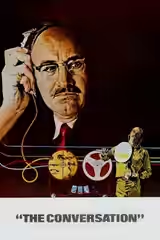
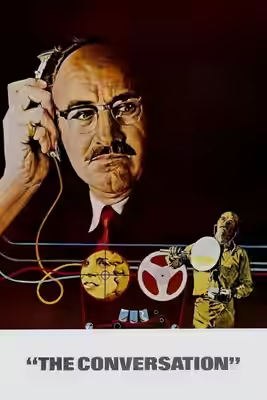
How does Infernal Affairs compare to The Conversation?
Infernal Affairs is the faster and more outwardly dangerous of the two, while The Conversation is a slower, lonelier film about what listening does to the listener. Both are about people who cannot relax, and both occasionally arrange their plots too tidily. Choose the Hong Kong film for pace and two lead performances under strain; choose Coppola's for patience and Gene Hackman.
What should I watch after Infernal Affairs?
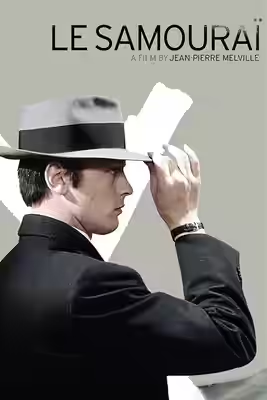
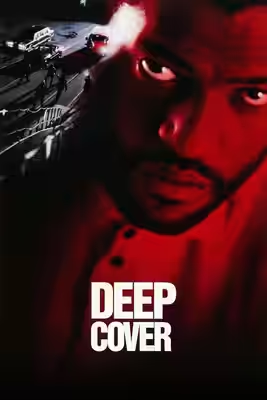
After Infernal Affairs, try The Conversation (1974, Fi1m 92): Surveillance turns inward in a patient thriller about the damage done by listening. Then Le Samouraï (1967, Fi1m 88): A quieter crime film, with close attention to faces that give little away; and Deep Cover (1992, Fi1m 72): Another undercover assignment that makes keeping a straight face feel physically exhausting.

Cast

Awards

International Submission to the Academy Awards, 2004

Nominated
International Submission to the Academy Awards

Golden Horse Award for Best Feature Film, 2003

Won
Golden Horse Award for Best Feature Film

Hong Kong Film Award for Best Film, 2003

Won
Hong Kong Film Award for Best Film

If you liked this, try…

  1. The Conversation (1974, Fi1m 92)Surveillance turns inward in a patient thriller about the damage done by listening.

  2. Le Samouraï (1967, Fi1m 88)A quieter crime film, with close attention to faces that give little away.

  3. Deep Cover (1992, Fi1m 72)Another undercover assignment that makes keeping a straight face feel physically exhausting.

  4. The Lives of Others (2006, Fi1m 84)A more patient account of surveillance, with equal concern for what obedience costs.

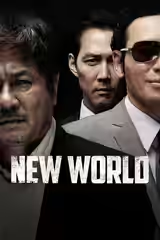
  5. New World (2013) · not reviewed yetCriminal loyalties and police interference make this a bruising companion to the double bluff.

Free account

Know what to watch tonight

Two lists that know where things are streaming, collections you can share, your own score beside ours, and Discover that remembers what you have seen.

  • Want to see, sorted by what is streaming now
  • Seen, with your score out of ten
  • No adverts, ever