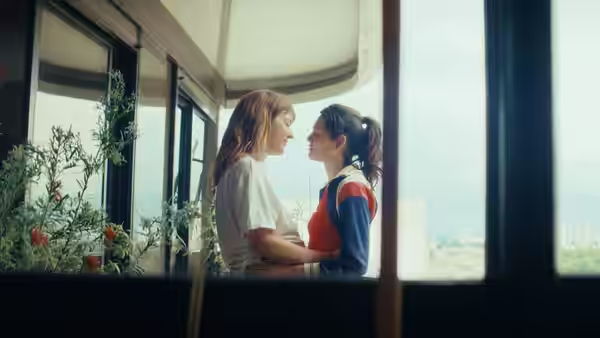
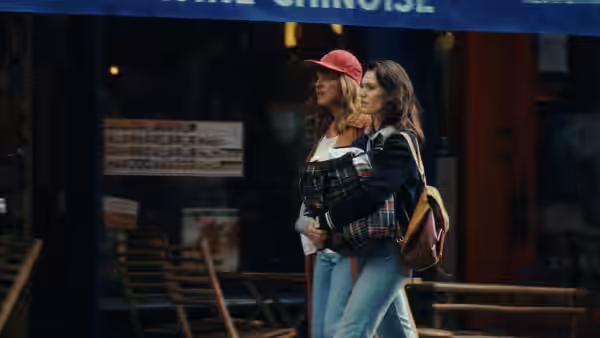
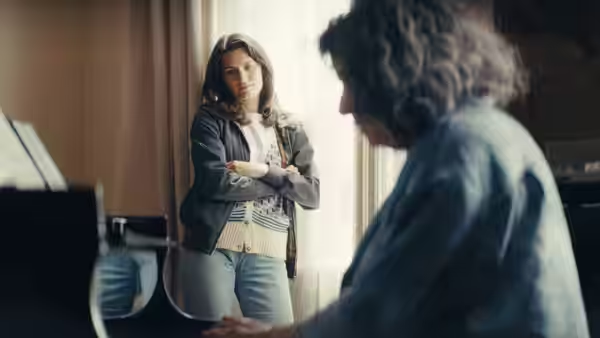
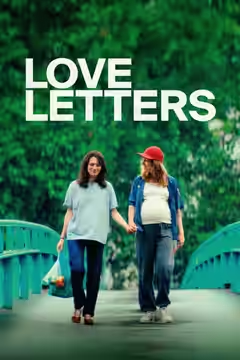
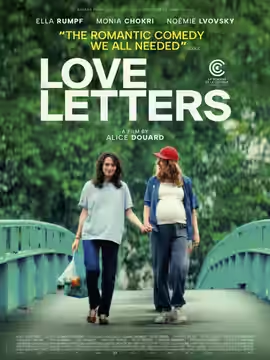
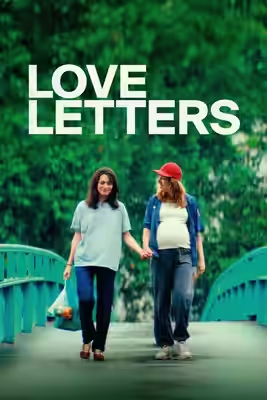
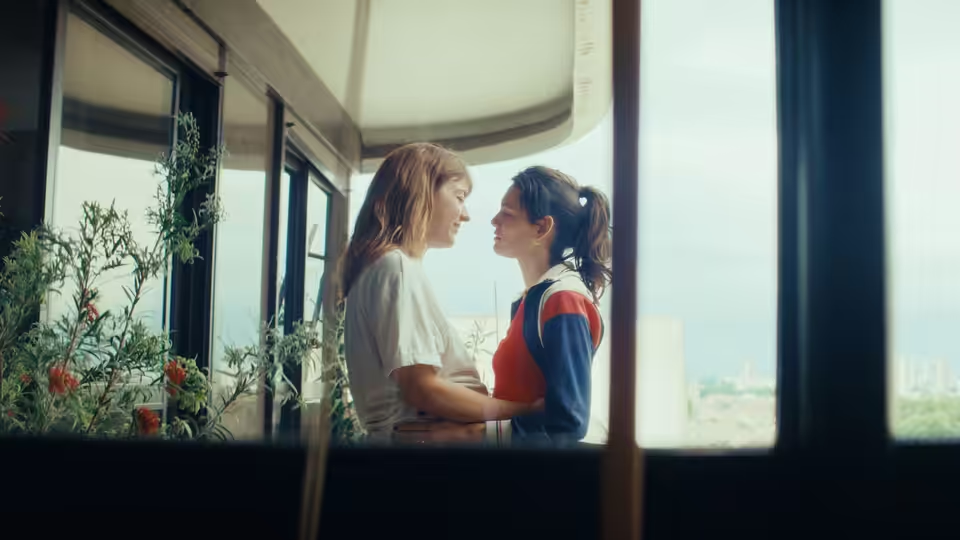
Two women stand close together beside a bright apartment window
Film review

Love Letters

2025 · Directed by Alice Douard · 1h 37m

In a sentenceBecoming a parent is complicated enough before the legal questions start

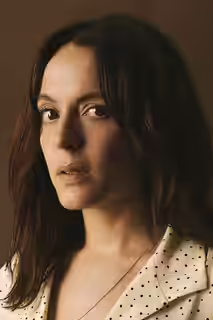
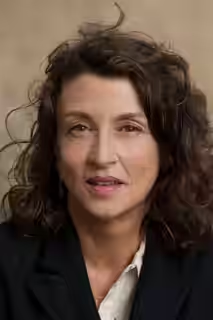
Céline (Ella Rumpf) faces the emotional and legal difficulties of adoption as she works towards becoming a parent with Nadia (Monia Chokri). For the lesbian couple, starting a family means navigating a process that brings obstacles alongside the prospect of parenthood. Céline must deal with those demands while confronting her own feelings about becoming a parent. Marguerite (Noémie Lvovsky) also features in their story. As the couple pursue adoption, questions of family and legal recognition become part of the relationship in which they hope to raise a child.

Plays from YouTube when you press play; nothing loads from them until then.

Fi1m review

Ella Rumpf gives this adoption drama its warmth and conviction. Alice Douard handles the difficulties of lesbian parenthood with care, although the writing sometimes presses for feelings the performance has already earned.

Alice Douard’s Love Letters is a good adoption drama that sometimes presses too hard for sympathy. Its strength is Ella Rumpf, who gives Céline’s wish to become a parent the weight of an ordinary, complicated desire. As writer and director, Alice Douard treats the legal difficulties facing a lesbian couple as pressures on people whose feelings deserve attention in their own right. There is warmth here, and enough confidence in the acting to make the occasional heavy-handedness of the script frustrating.

Ella Rumpf makes Céline’s vulnerability compelling without making her seem incapable of dealing with her own life. We were moved by Céline’s struggle to become a parent, because the performance makes the emotional difficulty of adoption felt alongside the legal obstacles. The actor’s compassion leaves room for the uncomfortable business of wanting something that cannot simply be made to happen. She keeps our attention on Céline as a person, even when the screenplay seems anxious to make sure we understand the importance of her predicament.

Monia Chokri plays Nadia, and the couple’s path towards parenthood gives Alice Douard a clear way into the strain involved in starting a family. The wish to have a child carries enough uncertainty before the difficulties of adoption are added. The writing is most persuasive when it allows those difficulties to complicate Céline’s feelings, giving her something more demanding to contend with than an obstacle to overcome. Her desire to become a parent remains understandable throughout, but the film makes space for the emotional effort involved in pursuing it.

Jacques Girault’s controlled cinematography suits that approach, keeping the images from competing with the performances for attention. Anne-Sophie Delseries’s production design is similarly discreet, leaving Céline and Nadia as the reason to look. Pierre Deschamps’s editing allows the emotional difficulties some room, though even at 97 minutes there are passages that could bear less emphasis. The use of music works well with the tenderness of the performances, helping the film express feelings that its dialogue sometimes makes too explicit.

That extra emphasis is the main limitation, and it comes from Alice Douard’s writing. When an emotion has already been made clear by Ella Rumpf, stating it more forcefully makes us impatient with the screenplay. We do not need Céline’s wish to become a parent made easier to understand; her difficulties and the performance have already done that work. The bluntness is especially noticeable because the photography is so controlled, and because the film has otherwise given us good reason to take Céline’s feelings seriously.

Among dramas about becoming a parent, Love Letters earns its place through the care it takes with the emotional difficulties of adoption. Parenthood is allowed to be demanding before it has even begun, and the film’s concern for Céline is easy to share. That makes it worth an evening, although anyone hoping for consistent restraint will have to forgive the screenplay’s occasional insistence. Choose it for Ella Rumpf, particularly if intimate family dramas are your habit.

Critical consensus AI synthesised

3 of 6
Positive
2
Mixed
1
Negative
0
Variety
22 May 2025 · festival review · Catherine Bray
75*

Bray finds the film beautifully realized, humane and broadly relatable. She especially praises Ella Rumpf’s compassionate performance as Céline navigates the emotional and legal challenges of adoption.

Read the full review →
Screen Daily
17 May 2025 · festival review · Allan Hunter
71*

Hunter’s headline frames the film as a drama about a lesbian couple’s rocky road to parenthood. The standfirst describes Douard’s feature debut as confident and notes the performances by Mona Rumpf and Monia Chokri.

Read the full review →
Eye for Film
2 June 2025 · Marko Stojiljkovic
65*

The critic finds the film watchable and decent, though not exceptional, and says its ending leans on an overly blunt emotional letter. Ella Rumpf’s compelling performance and the film’s controlled cinematography and use of music earn praise.

Read the full review →

Straight answers AI written, from our review

Is Love Letters worth watching?
Love Letters is worth watching if intimate family dramas are your habit; we scored it 71 for its warmth and Ella Rumpf’s compelling performance. Céline’s emotional and legal difficulties around adoption give it substance, although we find the screenplay too insistent when it spells out feelings Rumpf has already made clear.
How long is Love Letters, and what is it rated?
Love Letters runs 1h 37m. It is a drama and comedy film.
Where can I watch Love Letters in the US?
Love Letters is available to rent from Amazon Prime Video from $4.99. Availability is checked daily; the links above go straight to each service.
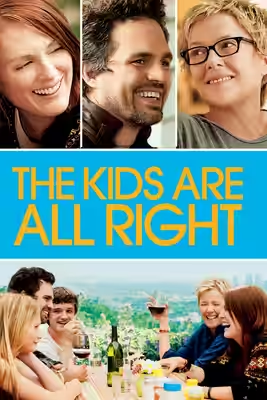
How does Love Letters compare to The Kids Are All Right?
Love Letters is the more adoption-focused drama, while The Kids Are All Right is the stronger choice for comedy and the friction of a long-established marriage. We recommend the latter for funny, perceptive family arguments, though it resolves some difficulties too comfortably; choose the former for Ella Rumpf’s moving account of the struggle to become a parent.
What should I watch after Love Letters?
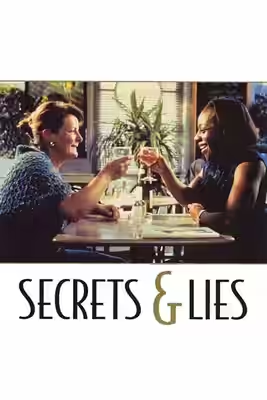
After Love Letters, try The Kids Are All Right (2010, Fi1m 80): Lesbian parenthood, competing loyalties and family arguments with room for comedy. Then Secrets & Lies (1996, Fi1m 88): An adoption story attentive to the awkwardness of people meeting.

Cast

If you liked this, try…

  1. The Kids Are All Right (2010, Fi1m 80)Lesbian parenthood, competing loyalties and family arguments with room for comedy.

  2. Secrets & Lies (1996, Fi1m 88)An adoption story attentive to the awkwardness of people meeting.

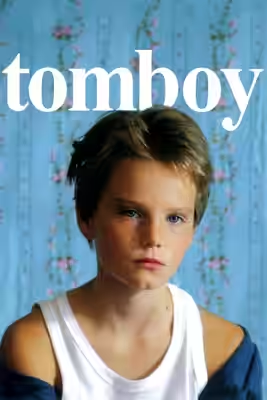
  3. Tomboy (2011) · not reviewed yetA child’s identity meets adult expectations in a closely observed drama.

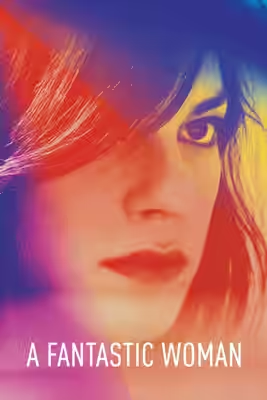
  4. A Fantastic Woman (2017) · not reviewed yetAnother intimate drama about love denied recognition by families and institutions.

  5. Little Girl (2020) · not reviewed yetA documentary following a family seeking recognition for their daughter’s identity.

Free account

Know what to watch tonight

Two lists that know where things are streaming, collections you can share, your own score beside ours, and Discover that remembers what you have seen.

  • Want to see, sorted by what is streaming now
  • Seen, with your score out of ten
  • No adverts, ever