Taratoa Stappard’s first film puts a Māori woman inside the English gothic house and lets Ariāna Osborne hold the screen from the first shot to the last. It loses its nerve for a stretch in the second half. Worth your evening if you like your horror slow.
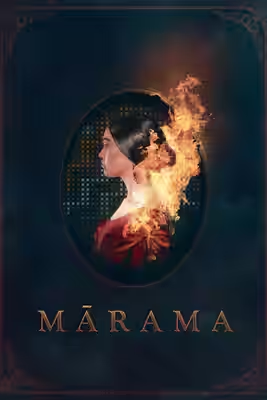
Taratoa Stappard’s first film takes the oldest furniture in English horror, the great cold house with a secret in it, and asks what happens when the stranger who arrives at the door is a Māori woman. Mary (Ariāna Osborne) has come to England to learn about her ancestry, and Nathaniel Cole (Toby Stephens) has promised to tell her. Mārama is a good, slow, angry film, and it is at its best when it is quietest.
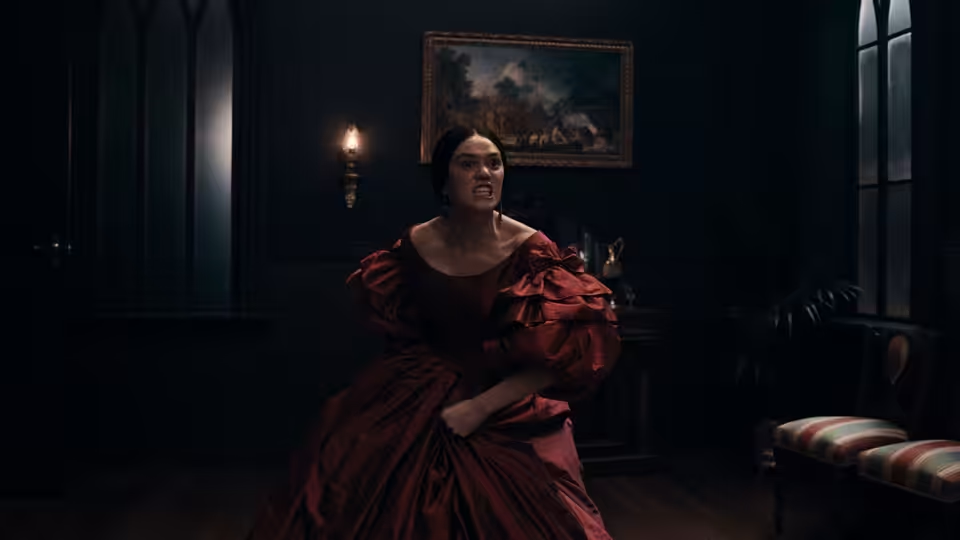
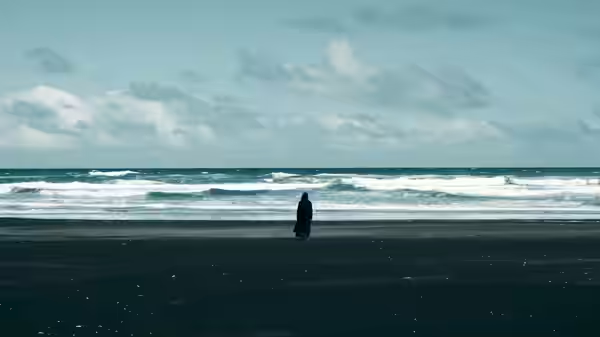
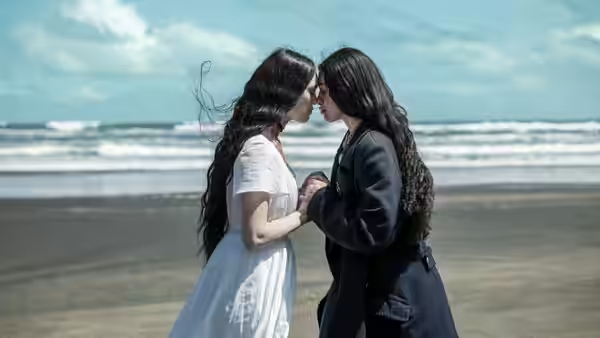
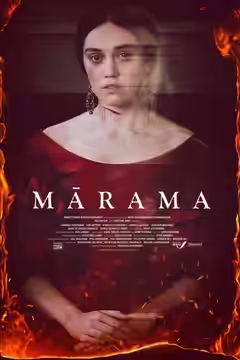
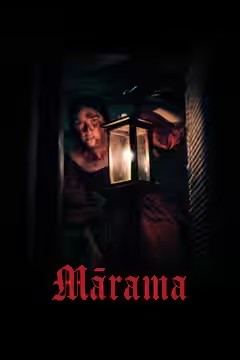
Gin Loane lights the house by candle and lamp, so most of every frame is black and the faces hang in it, and when red appears, in a dress, a curtain, a smear on a floor, it is the only colour on screen. The look itself is not new; anyone who has sat through a Hammer double bill will know it. What is new is who is standing in the shadow and who is holding the candle. The score, by Rob Thorne and Karl Steven, does without strings for long stretches and works instead with sounds closer to breath and wind than to an orchestra. Those sounds belong to Mary rather than to the house, and they tell you where the film’s sympathies lie before the script does.
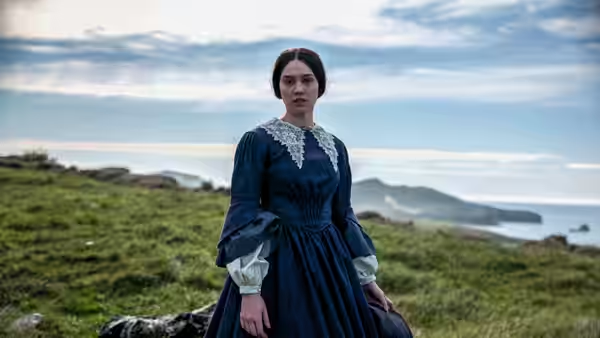
Osborne carries it. She plays Mary as a woman who has learned to be polite in a language that is not hers and has kept a careful account of what that politeness has cost. She listens more than she speaks, and Stappard lets the camera stay on her while Cole talks, so we watch her decide, sentence by sentence, how much of him to believe. When she finally raises her voice the film has spent an hour earning it.
Stephens is well cast. Cole is not a monster in any scene we could point to. He is courteous, well read, and interested in Mary’s people in the way a man is interested in the contents of a cabinet he has paid for. We were more frightened by his questions at the dinner table than by anything in the film with blood in it, because they are asked kindly, and Mary has to sit there and answer them. Umi Myers, as Peggy, gets the film’s warmest scenes and one or two of its most uncomfortable, and she plays both without ever raising her voice.
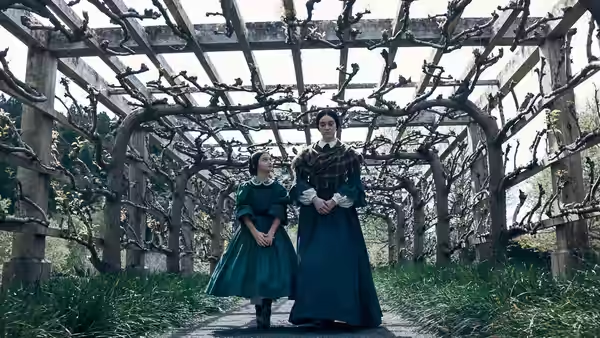
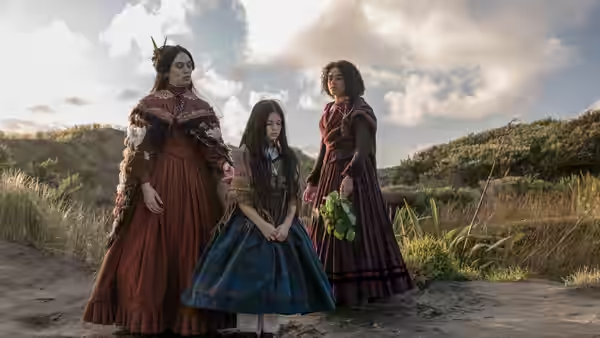
The unevenness the early reviews mention is real. In the second half Stappard has to move the story from suggestion to event, and the film gets louder and less sure of itself. Dan Kircher’s cutting, patient for the first hour, starts to hurry, and a couple of scenes explain in dialogue what a look across a table had already told us. The scenes given to Hinemoana (Mihi Te Rauhi Daniels) and Arorangi (Turia Schmidt-Peke) are the truest thing in the film, and there are not enough of them to balance the weight of the house.
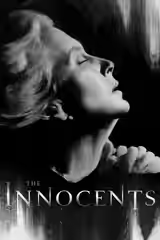
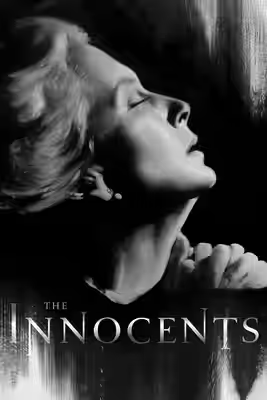
Set against the gothic it borrows from, this sits closer to The Innocents than to anything with a chainsaw in it, and it is more honest than most of that tradition about where the money for the house came from. Retribution is promised, and it arrives, and we will not say how. It is bloody and it is earned, and it is also the one stretch where Mārama feels like films we have seen before.
At 89 minutes it does not overstay. See it in a cinema, in the dark, and sit where you cannot see the exit.