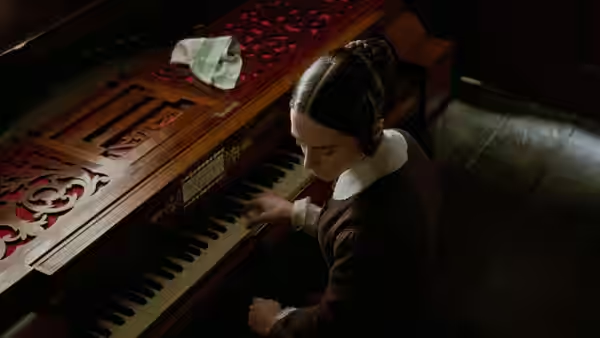
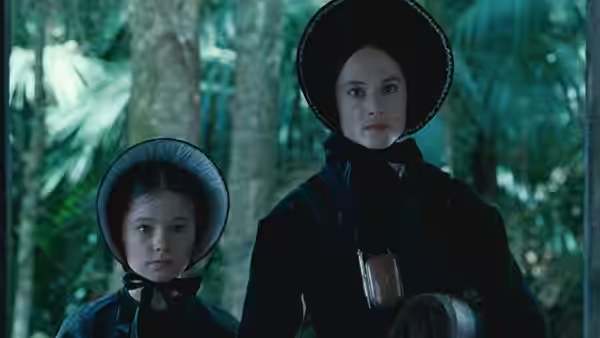
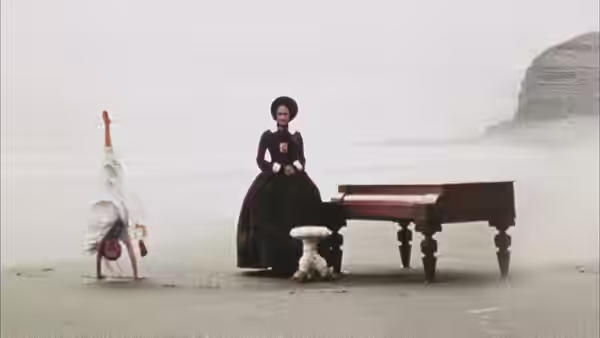
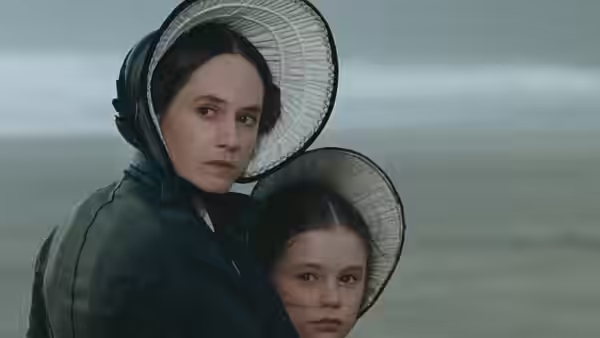
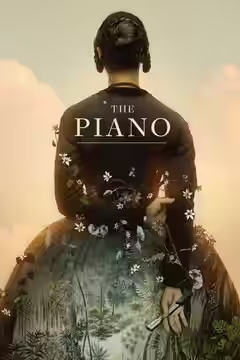
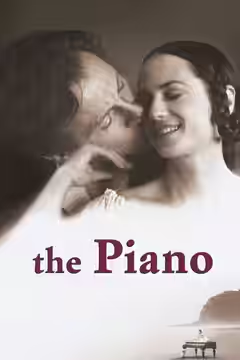
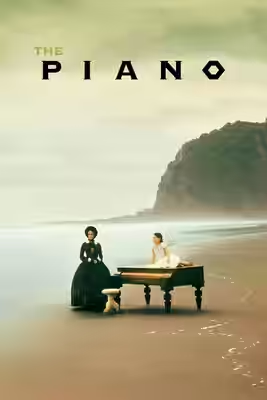
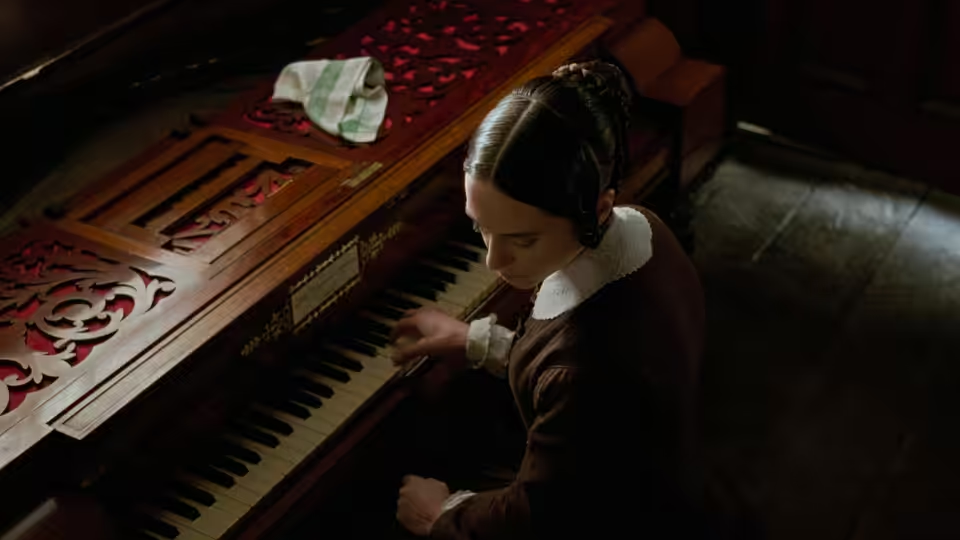
Ada McGrath (Holly Hunter) playing the piano in a dimly lit room
Film review

The Piano

1993 · Directed by Jane Campion · 2h 00m · MPA R

In a sentenceHolly Hunter makes silence seem a perfectly reasonable response to the nineteenth century

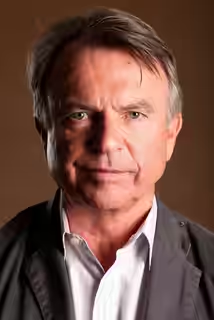
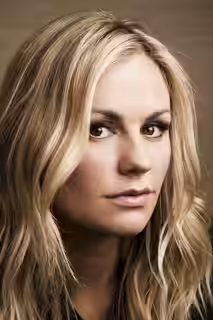
In nineteenth-century New Zealand, Ada McGrath (Holly Hunter) does not speak, but her silence does not mean she has no wishes of her own. Her story of desire and adultery unfolds alongside those of Alisdair Stewart (Sam Neill), George Baines (Harvey Keitel) and Flora McGrath (Anna Paquin). As passion challenges the restrictions placed on women’s lives, Ada must find ways to make herself understood without speech. Written and directed by Jane Campion, The Piano follows her struggle to express what she wants in a society that expects women to submit.

Plays from YouTube when you press play; nothing loads from them until then.

Fi1m review

Jane Campion’s absorbing, unsettling romance gives Holly Hunter a woman whose silence never diminishes her force. Michael Nyman’s music sometimes presses harder than the performances need, but the film’s attention to Ada’s desires makes its intensity worthwhile.

Jane Campion’s The Piano is an absorbing romance, and an uncomfortable one. We recommend it, with a reservation about music that sometimes insists on what the actors have already conveyed. Set in nineteenth-century New Zealand, it takes Ada McGrath’s wishes seriously in a society that grants women little freedom to act on them. Holly Hunter gives Ada enough force to keep the film from settling into the familiar business of admiring a woman’s suffering.

Hunter’s achievement begins with the fact that Ada does not speak, yet never seems beyond our understanding. We can sense the effort of making herself understood, and the anger at having to make that effort, without the performance becoming laborious. We were moved by the anger Hunter puts into Ada’s silence. Campion’s writing allows her to be difficult, and Hunter makes that difficulty understandable without asking us to approve of everything about her.

Anna Paquin gives Flora McGrath a force of her own, holding our attention even against Hunter’s concentrated intensity. Harvey Keitel’s George Baines and Sam Neill’s Alisdair Stewart belong to the same struggle over who gets to want what, and who gets to decide. Neither man is as compelling as Ada, though that imbalance feels earned by Hunter’s performance. Campion lets these competing desires remain awkward, and resists the temptation to make passion an automatic excuse for people’s behaviour.

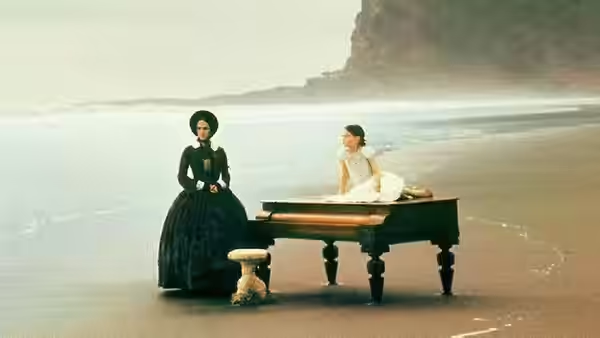
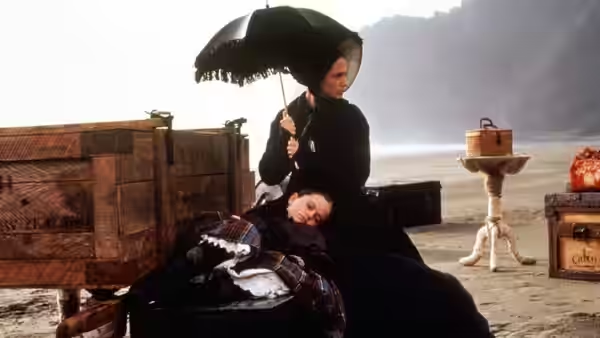
Stuart Dryburgh’s photography gives the New Zealand landscape a sensuality that makes the repression among its inhabitants seem more severe. The scenery is beautiful, but looking at it is rarely restful; the scale of the surroundings makes the restrictions on Ada’s life feel particularly oppressive. Andrew McAlpine’s production design gives those restrictions a convincing period setting, while Janet Patterson’s costumes reinforce the formality of the society around her. Both work because the people wearing the clothes and inhabiting these surroundings remain so troublesome and alive.

Veronika Jenet’s editing is especially valuable because this is a story that could easily become a succession of charged pauses. The narrative stays readable without making every feeling immediately clear, and its unpredictability does not seem like a trick played on the audience. Michael Nyman’s score gives Ada’s unspoken feelings an urgency that helps sustain the film’s emotional pressure. We understand why the music attracts such praise, though there are passages when its insistence narrows our freedom to respond.

That is our chief reservation: the score sometimes makes an already intense film feel overemphatic. Hunter needs less help than she is given, and we occasionally wanted more space to consider her without being prompted. Yet Campion avoids a familiar weakness of period romances, in which suffering becomes sufficient evidence that a woman has loved properly. Ada’s wishes matter in themselves, and the film remains interested in her even when she cannot be made into an agreeable heroine.

The Piano asks for attention to people who are not going to explain themselves neatly. Its severity need not put anyone off: Hunter and Paquin give it enough life to make the effort worthwhile. Choose it for an evening when being unsettled would be welcome.
Critical consensus AI synthesised

92
Positive
7
Mixed
0
Negative
0

Most critics give The Piano an emphatically positive reception, with praise centred on Jane Campion’s direction and Holly Hunter’s performance. The reviews repeatedly credit Campion with making a period love story feel unusual and unpredictable, while exploring repression, desire and communication. Hunter’s portrayal of Ada is a consistent focus, alongside the cinematography and Michael Nyman’s score, which critics describe as central to the film’s sensual and emotional force.

The reviews differ more in emphasis than in judgement, with a narrow spread of positive assessments and no sustained objection emerging. Little White Lies stresses female power and agency beneath the love story, while The New York Times concentrates on the freedom of its romantic imagination. Elsewhere, the emphasis shifts between Victorian repression, physical passion and emotional intensity; these are complementary readings rather than evidence of a divided consensus.

Little White Lies
15 June 2018 · 4/5/5 · Hannah Strong
100

The review hails the film as a remarkable meditation on female power and agency disguised as a love story, elevated by Campion's understanding of patriarchy and womanhood. It singles out the exquisite performances, particularly Holly Hunter's, and Michael Nyman's soaring score for praise.

Read the full review →
Radio Times
★★★★★ · David Parkinson
100

This is a superbly staged tale of passion and obsession that excels in its exploration of communication and repression. The critic praises the masterly score, splendid photography, and stupendous performances from Holly Hunter and Anna Paquin.

Read the full review →
Los Angeles Times
19 November 1993 · Kenneth Turan
95*

The critic calls the film a tonic that makes a romantic 19th-century story feel avant-garde through fearless visual and emotional command. Jane Campion is singled out for her innate grasp of filmmaking and ability to serve traditional elements without compromise.

Read the full review →
The Guardian
28 October 1993
90*

The critic finds The Piano a memorable and intense film that exceeds the surrounding hype, drawing audiences into its bold, Bronte-like world in 19th-century New Zealand through outstanding performances, especially Holly Hunter's, and exquisite cinematography and music.

Read the full review →
The New York Times
12 November 1993 · Vincent Canby
90*

The critic finds the film a severely beautiful and mysterious love story that lives up to its advance praise and liberates the romantic imagination. Campion is singled out for crafting a seamless, unpredictable narrative centered on an extraordinary mute heroine.

Read the full review →
Empire
1 January 2000 · Matt Mueller
85*

The review praises Campion's film as a strikingly unusual and arresting parable of adultery and awakening passion, with a knockout central performance from Holly Hunter. It highlights the sumptuous, sensual and visually ethereal qualities along with strong performances, hauntingly beautiful scenery and score.

Read the full review →

Straight answers AI written, from our review

Is The Piano worth watching?
The Piano is worth watching for anyone who wants an absorbing, uncomfortable romance built around a woman who does not speak, and we scored it 88. Holly Hunter gives Ada McGrath enough force that her silence never feels like weakness. Our one reservation is Michael Nyman's score, which sometimes insists on feelings the actors have already conveyed.
How long is The Piano, and what is it rated?
The Piano runs 2h 00m and is rated R by the MPA in the US. It is a drama and romance film.
Where can I watch The Piano in the US?
The Piano is not on any streaming or rental service in the US at the moment. It is available in 10 other countries; change your country at the top of the page to see where. Availability is checked daily.
How violent or frightening is The Piano, and is it suitable for children?
The Piano carries a UK 15 certificate and a US R rating, and is a film for adults rather than children. It is a story of desire and adultery in nineteenth-century New Zealand, and the certificate implies sexual content and material some will find distressing. It is unsettling in mood rather than frightening, and its intensity suits patient older teenagers and adults.
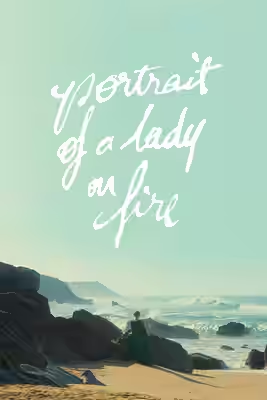
How does The Piano compare to Portrait of a Lady on Fire?
The Piano is the harsher and more troubled of the two, while Portrait of a Lady on Fire is the gentler and more controlled. Both take a woman's desire seriously and leave room for silence, but Campion's film is louder, with a score that presses where Sciamma's restraint holds back. Choose The Piano for an evening when being unsettled is welcome, and Sciamma's film for tenderness.
What should I watch after The Piano?
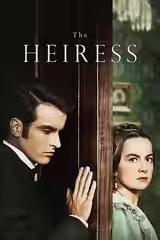
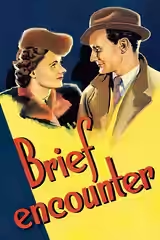
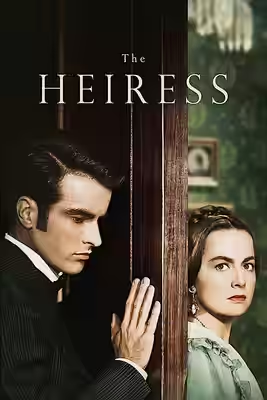
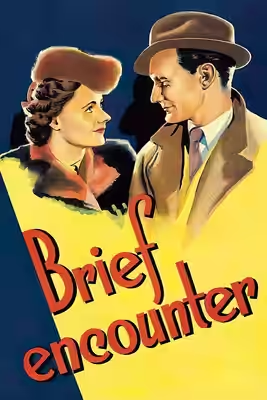
After The Piano, try Portrait of a Lady on Fire (2019, Fi1m 89): Another romance that takes a woman’s desire seriously, with room for silence. Then The Heiress (1949, Fi1m 90): For another woman whose wishes prove inconvenient to the men around her; and Brief Encounter (1945, Fi1m 90): Repressed desire, difficult choices and music that refuses to stay politely behind them.

Cast

Awards

Japan Academy Prize for Outstanding Foreign Language Film, 1995

Nominated
Japan Academy Prize for Outstanding Foreign Language Film

Academy Awards, 1994

Nominated
Best Cinematography
Nominated
Best Costume Design
Nominated
Best Director
Nominated
Best Film Editing
Nominated
Best Picture
Won
Best Actress
Won
Best Supporting Actress
Won
Best Writing, Original Screenplay

BAFTA Film Awards, 1994

Nominated
Best Direction
Nominated
Best Editing
Nominated
Best Film
Nominated
Best Original Music
Nominated
Best Original Screenplay
Nominated
Best Sound
Won
Best Actress in a Leading Role

César Award for Best Foreign Film, 1994

Won
César Award for Best Foreign Film

David di Donatello for Best Foreign Actress, 1994

Nominated
David di Donatello for Best Foreign Actress

Independent Spirit Awards, 1994

Won
Best Foreign Film

Writers Guild of America Award for Best Original Screenplay, 1994

Won
Writers Guild of America Award for Best Original Screenplay

AACTA Award for Best Actor in a Leading Role, 1993

Won
AACTA Award for Best Actor in a Leading Role

AACTA Award for Best Actor in a Supporting Role, 1993

Nominated
AACTA Award for Best Actor in a Supporting Role

AACTA Award for Best Actress in a Leading Role, 1993

Won
AACTA Award for Best Actress in a Leading Role

AACTA Award for Best Actress in a Supporting Role, 1993

Nominated
AACTA Award for Best Actress in a Supporting Role

AACTA Award for Best Cinematography, 1993

Won
AACTA Award for Best Cinematography

AACTA Award for Best Costume Design, 1993

Won
AACTA Award for Best Costume Design

AACTA Award for Best Direction, 1993

Won
AACTA Award for Best Direction

AACTA Award for Best Editing, 1993

Won
AACTA Award for Best Editing

AACTA Award for Best Film, 1993

Won
AACTA Award for Best Film

AACTA Award for Best Original Music Score, 1993

Won
AACTA Award for Best Original Music Score

AACTA Award for Best Original Screenplay, 1993

Won
AACTA Award for Best Original Screenplay

AACTA Award for Best Production Design, 1993

Won
AACTA Award for Best Production Design

AACTA Award for Best Sound, 1993

Won
AACTA Award for Best Sound

American Society of Cinematographers Award for Outstanding Achievement in Cinematography in Theatrical Releases, 1993

Nominated
American Society of Cinematographers Award for Outstanding Achievement in Cinematography in Theatrical Releases

Cannes Film Festival, 1993

Won
Best Actress
Won
Palme d'Or

Directors Guild of America Award for Outstanding Directing – Feature Film, 1993

Nominated
Directors Guild of America Award for Outstanding Directing – Feature Film

Golden Globes, 1993

Nominated
Best Director
Nominated
Best Motion Picture – Drama
Nominated
Best Original Score
Nominated
Best Screenplay
Nominated
Best Supporting Actress – Motion Picture
Won
Best Actress – Motion Picture Drama

London Film Critics Circle Award for Actress of the Year, 1993

Won
London Film Critics Circle Award for Actress of the Year

London Film Critics Circle Award for Film of the Year, 1993

Won
London Film Critics Circle Award for Film of the Year

Los Angeles Film Critics Association Award for Best Actress, 1993

Won
Los Angeles Film Critics Association Award for Best Actress

Los Angeles Film Critics Association Award for Best Director, 1993

Won
Los Angeles Film Critics Association Award for Best Director

National Board of Review Award for Best Actress, 1993

Won
National Board of Review Award for Best Actress

National Society of Film Critics Award for Best Actress, 1993

Won
National Society of Film Critics Award for Best Actress

National Society of Film Critics Award for Best Cinematography, 1993

Nominated
National Society of Film Critics Award for Best Cinematography

National Society of Film Critics Award for Best Director, 1993

Nominated
National Society of Film Critics Award for Best Director

National Society of Film Critics Award for Best Film, 1993

Nominated
National Society of Film Critics Award for Best Film

National Society of Film Critics Award for Best Screenplay, 1993

Won
National Society of Film Critics Award for Best Screenplay

National Society of Film Critics Award for Best Supporting Actress, 1993

Nominated
National Society of Film Critics Award for Best Supporting Actress

New York Film Critics Circle Award for Best Actress, 1993

Won
New York Film Critics Circle Award for Best Actress

New York Film Critics Circle Award for Best Director, 1993

Won
New York Film Critics Circle Award for Best Director

If you liked this, try…

  1. Portrait of a Lady on Fire (2019, Fi1m 89)Another romance that takes a woman’s desire seriously, with room for silence.

  2. The Heiress (1949, Fi1m 90)For another woman whose wishes prove inconvenient to the men around her.

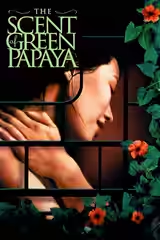
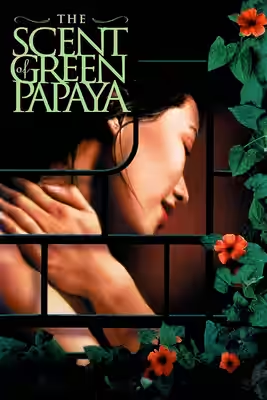
  3. The Scent of Green Papaya (1993) · not reviewed yetQuiet rooms, close observation and a romance that rewards patient attention.

  4. Brief Encounter (1945, Fi1m 90)Repressed desire, difficult choices and music that refuses to stay politely behind them.

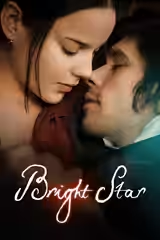
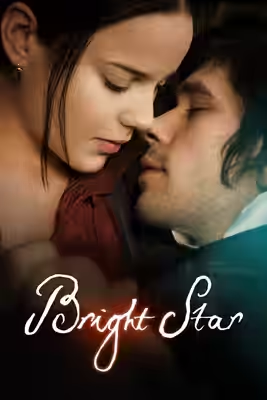
  5. Bright Star (2009, Fi1m 82)Campion returns to period romance, allowing affection to develop through ordinary attention.

Free account

Know what to watch tonight

Two lists that know where things are streaming, collections you can share, your own score beside ours, and Discover that remembers what you have seen.

  • Want to see, sorted by what is streaming now
  • Seen, with your score out of ten
  • No adverts, ever