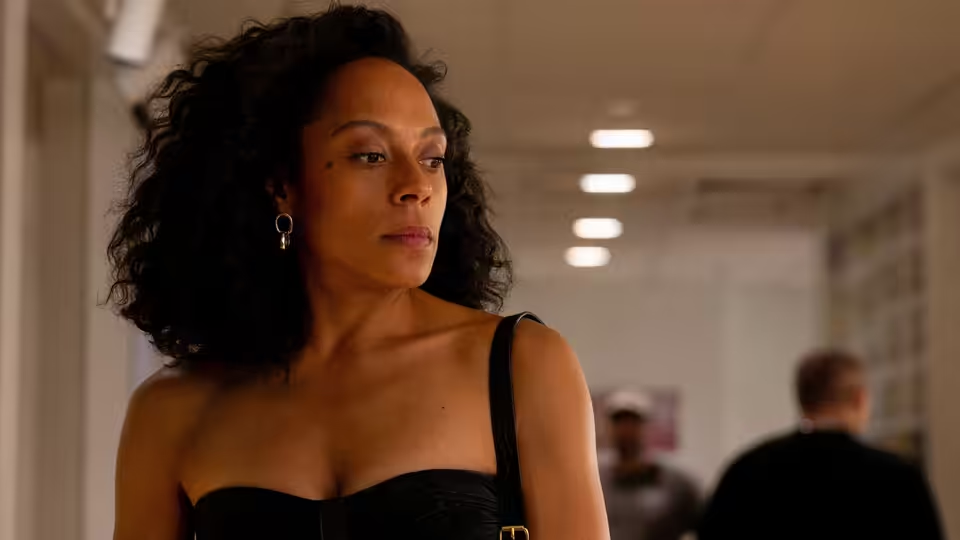
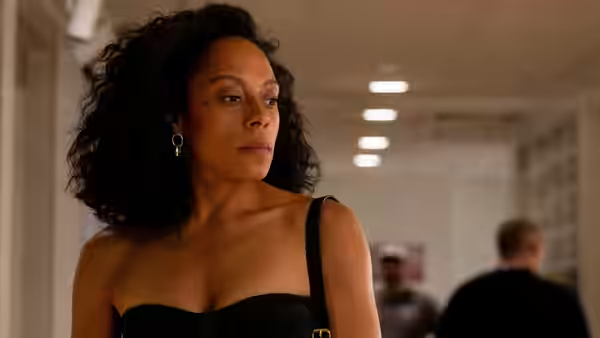
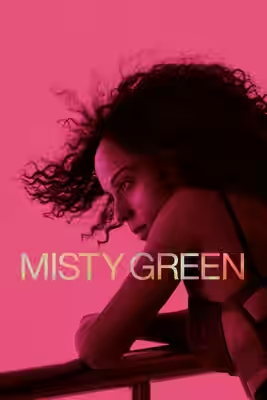
Rosalind Eleazar gives Misty Green its feeling and much of its purpose. Chris Rock’s Hollywood comedy-drama is worth considering for her, though its crowded storytelling repeatedly gets between the actress and the audience.
Chris Rock’s Misty Green is worth considering for Rosalind Eleazar, provided a strong central performance is enough to carry an uneven evening. The writer-director wants a Hollywood comedy with room for the private difficulties of the woman looking for work. That is a worthwhile ambition, and there are passages where the satire and the character belong comfortably in the same film. Too often, though, additional storylines take attention away from the person who makes us care.
An audition for a role beneath Misty’s ability gives the film its clearest complaint about the business. Kira Kelly’s cinematography and Michelle Patterson’s production design have a useful focus here: a performer whose talent exceeds the opportunity in front of her. We found the audition painful because the part on offer asks so little of someone capable of so much. Rosalind Eleazar makes the professional insult matter without turning Misty into a model of good behaviour. This is the detail the broader satire needs more often.
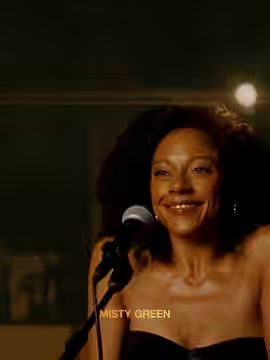
The singing is equally persuasive. Her performance of ‘Creep’ gives Misty a way of being heard that the surrounding story struggles to provide. Marcus Miller supplies the music, although the lead’s voice is the musical contribution that matters most to us. The song allows a feeling to last long enough to become uncomfortable, and the character benefits from having that space.
The childhood flashbacks are a particular problem. Chris Rock’s screenplay seems anxious to account for Misty, and these passages make her feel more narrowly explained just when the performance is allowing her some complexity. The handling of mental illness is similarly uncertain: the film raises the subject without giving it the care that its prominence demands. We can accept an unsympathetic decision from a character, but the writing too often seems to invite a verdict on her rather than an interest in what she will do.
At 103 minutes, this is hardly an endurance test, but Adam Dicterow’s editing cannot disguise how many stories are competing for attention. Several threads need more development, and their accumulation makes the film feel longer without making Misty much clearer. The humour provides some relief, though the changes in emphasis keep interrupting our involvement. A smaller collection of incidents, given more time, would have served this actress better than another attempt to cover everything that might be wrong with her profession.
As a Hollywood satire, Misty Green too often settles for familiar complaints about the treatment of talent. Its useful distinction is Rosalind Eleazar, who makes this particular woman matter even when the broader observations do not. That is enough to make the film worthwhile for those interested in an actor working through awkward material, though it leaves the comedy and the character study only partly satisfying. Go for her performance, with some patience for the film around it.