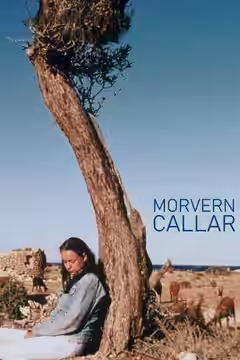
Woman in red beanie and earphones standing in a supermarket
Film review

Morvern Callar

2002 · Directed by Lynne Ramsay · 1h 37m · MPA R

In a sentenceSamantha Morton makes listening to a cassette look like something we shouldn’t interrupt

Morvern Callar (Samantha Morton) responds to her boyfriend’s suicide with a detachment that gives little away about what she feels. A working-class woman seeking a way beyond her circumstances, she goes through daily life with his compilation tape playing on her Walkman. Her behaviour unsettles the usual expectations of grief, while music accompanies her search for freedom. Kathleen McDermott plays Lanna Phimister in this adaptation of Alan Warner’s novel. Directed by Lynne Ramsay and written by Ramsay and Liana Dognini, the film follows Morvern without explaining each decision she makes.

Plays from YouTube when you press play; nothing loads from them until then.

Fi1m review

Lynne Ramsay’s grief drama is strange, absorbing and carried by Samantha Morton’s quietly unsettling performance. The music draws us close to a woman who gives little away, though the pacing sometimes tests our patience.

Lynne Ramsay’s Morvern Callar is a strange, absorbing drama, worth watching even when its central character remains hard to understand. It also asks for more patience than some of its slower passages earn. Morvern’s boyfriend has died by suicide, yet Samantha Morton supplies little of the visible grief that would normally guide our response. Ramsay follows this working-class woman’s search for escape without making her explain herself.

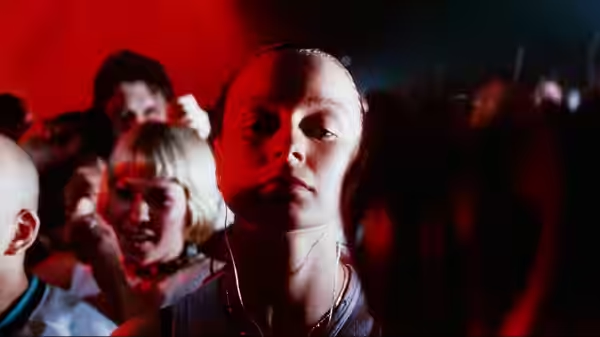
We were unsettled by Morvern’s quiet after the suicide; Morton gives us no comforting display of distress to make our sympathy automatic. Watching her face, we keep trying to decide what she has taken in and what she is putting aside. It would be easy to make such a withdrawn character seem empty, but Morton keeps our attention through small changes of expression. We start questioning our own expectation that she should make her feelings readable.

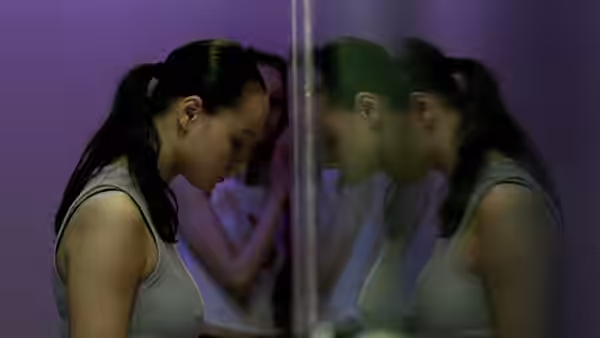
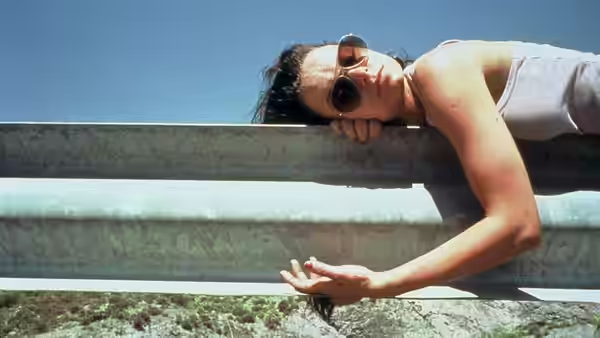
Alwin H. Küchler’s photography lets the study of Morton’s face occupy a scene without exhausting our interest. The everyday settings get comparable attention, and Jane Morton’s production design gives those scenes a useful, unshowy credibility. Their familiarity makes Morvern’s wish to leave them easy to understand. Küchler encourages us to notice what is around her, so we have something to attend to beyond searching each expression for an explanation. That wider attention helps when Morvern herself gives us little to go on.

Her boyfriend’s compilation tape does some of the most important work. Through her Walkman, music changes the feel of the places she moves through, and Ramsay lets listening become an activity worth watching. The songs can occupy our attention without telling us precisely what Morvern is thinking. We understand the appeal of keeping the headphones on, and the film gives that small act enough time to become more than a passing character detail.

Lucia Zucchetti’s elliptical editing suits a story in which we are seldom handed a full explanation of a decision. Gaps keep us alert and prevent Morvern’s journey from becoming a series of neatly justified steps. The difficulty comes when the film lingers: some passages continue after a look or a piece of music has given us all it can. Our attention wandered there, and the 97-minute running time does not stop these stretches from feeling long.

Ramsay and co-writer Liana Dognini adapt Alan Warner’s novel with little interest in making Morvern easy to approve of. Her working-class circumstances give her wish for escape a practical urgency, and the film allows us to understand that wish while remaining uneasy about her. We are not asked to regard emotional detachment as an admirable way to live. We are given time to consider how little freedom someone may have to respond as other people think she should.

The familiar grief drama tends to offer the reassurance of a recognisable process: shock, tears, explanation, some prospect of recovery. We recommend Ramsay’s film to anyone tired of that orderly progress, with the warning that its slower passages do require some goodwill. Do not wait for somebody to sit Morvern down and ask the right question.


Critical consensus AI synthesised

74
Positive
7
Mixed
1
Negative
1

Most critics respond warmly to Morvern Callar, with praise concentrated on Lynne Ramsay’s sensuous direction and Samantha Morton’s elusive central performance. The reviews repeatedly credit Morton with making a withdrawn, difficult-to-read character compelling, while Ramsay’s imagery, sound and use of music convey feelings that dialogue leaves unstated. For many, the sparse storytelling and lack of explanation allow a persuasive exploration of escape, class and emotional damage without imposing conventional responses on the heroine.

The disagreement centres on how much that ambiguity sustains, with reactions ranging from fascination to outright frustration. More qualified reviews admire the photography and atmosphere but find the pacing elliptical and Morvern difficult to understand. The Evening Standard offers a sharp dissent, finding Morton affectless and the narrative aimless; Eye for Film likewise questions the plot’s credibility, though it still credits Ramsay’s ability to create atmosphere through tactile camerawork.

Los Angeles Times
20 December 2002 · Kevin Thomas
85*

Thomas finds the film unsettling yet minimalist, confirming Ramsay as an important talent through its bold reach and emotional impact. He praises its implicit yearning for freedom and self-discovery amid working-class marginality.

Read the full review →
Film Comment
· Kristin M. Jones
80*

The critic highlights the film's many heart-stopping visual and poetic moments that envelop its minimal plot in random beauty, along with Ramsay's richly detailed direction and Samantha Morton's uncanny performance. The open-ended conclusion is noted as perhaps too upbeat compared to the source novel.

Read the full review →
RogerEbert.com
1 January 2003 · Roger Ebert
80*

Ebert praises Samantha Morton's hypnotic performance as the enigmatic Morvern, who responds to her boyfriend's suicide with quiet detachment rather than conventional grief. He highlights the film's exploration of class, emotional damage, and passive resistance to others' expectations as its core strength.

Read the full review →
The AV Club
13 December 2002 · Scott Tobias
80*

The critic praises Lynne Ramsay's second feature for its evocative, startlingly beautiful impressions of the heroine's interior life and hypnotic, exacting style. Ramsay's refusal to explain the protagonist's behavior or provide easy emotional closure is singled out as a strength.

Read the full review →
The Guardian
1 November 2002 · Peter Bradshaw
80*

The film is a mesmeric, startling and sometimes baffling follow-up to Ratcatcher that announces Lynne Ramsay as one of the most distinctive talents in British cinema. Samantha Morton's luminous and charismatic performance as the enigmatic Morvern perfectly conveys the character's bizarre mystery.

Read the full review →
Variety
17 May 2002 · festival review
75*

The review commends the highly focused direction and Morton's hypnotic performance for balancing the tricky, plotless psychological mood piece. It notes the leap in accessibility over Ramsay's prior work while adhering closely to the source novel.

Read the full review →

Straight answers AI written, from our review

Is Morvern Callar worth watching?
Morvern Callar is worth watching for anyone tired of grief dramas that explain themselves, and we scored it 82. Samantha Morton gives a withdrawn, quietly unsettling performance that Lynne Ramsay never asks her to justify. The slower passages do test patience, so it suits viewers happy to sit with a woman who gives little away.
How long is Morvern Callar, and what is it rated?
Morvern Callar runs 1h 37m and is rated R by the MPA in the US. It is a drama film.
Where can I watch Morvern Callar in the US?
Morvern Callar is streaming on The Roku Channel in the US. Availability is checked daily; the links above go straight to each service.
How violent or frightening is Morvern Callar, and is it suitable for children?
Morvern Callar is a 15 certificate in the UK and rated R in the United States, so it is not suitable for children. It is not a violent or frightening film; the difficulty is emotional, beginning with a boyfriend's suicide and a central character whose detachment from it unsettles rather than shocks. Older teenagers and adults comfortable with slow, unexplained drama will manage it.
How does Morvern Callar compare to Vagabond?
Morvern Callar and Vagabond both follow a woman whose freedom unsettles everyone who wants her choices to make sense, and neither director explains her. Varda's film is the more moving of the two, though its succession of witnesses can feel too neatly arranged. Ramsay's is stranger and more inward, carried by music and Samantha Morton's face, and asks for more patience.
Is Morvern Callar based on a true story or a book?
Morvern Callar is based on Alan Warner's novel of the same name, not on a true story. Lynne Ramsay and Liana Dognini adapt it with little interest in making Morvern easy to approve of, and the film follows her without explaining each decision. You do not need to have read the book; the film is built to be watched without answers.
What should I watch after Morvern Callar?
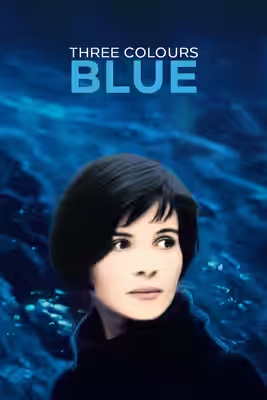
After Morvern Callar, try Wanda (1970, Fi1m 83): Another woman drifts beyond familiar expectations, with little interest in explaining herself. Then Vagabond (1985, Fi1m 90): A woman’s freedom unsettles everyone who wants her choices to make sense; and Three Colours: Blue (1993, Fi1m 88): Grief and music shape a woman’s efforts to live beyond a loss.

Cast

Awards

European Film Award for Best Actress, 2002

Nominated
European Film Award for Best Actress

European Film Award for Best Cinematographer, 2002

Nominated
European Film Award for Best Cinematographer

If you liked this, try…

  1. Wanda (1970, Fi1m 83)Another woman drifts beyond familiar expectations, with little interest in explaining herself.

  2. Vagabond (1985, Fi1m 90)A woman’s freedom unsettles everyone who wants her choices to make sense.

  3. Three Colours: Blue (1993, Fi1m 88)Grief and music shape a woman’s efforts to live beyond a loss.

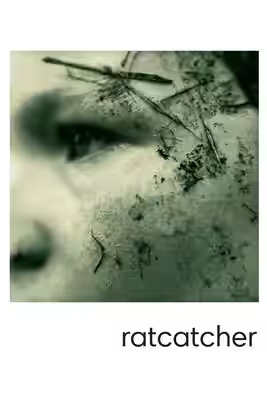
  4. Ratcatcher (1999, Fi1m 88)Ramsay brings the same attention to difficult lives and ordinary surroundings.

  5. The Headless Woman (2008) · not reviewed yetA withdrawn heroine makes small, everyday encounters feel increasingly difficult to read.

Free account

Know what to watch tonight

Two lists that know where things are streaming, collections you can share, your own score beside ours, and Discover that remembers what you have seen.

  • Want to see, sorted by what is streaming now
  • Seen, with your score out of ten
  • No adverts, ever