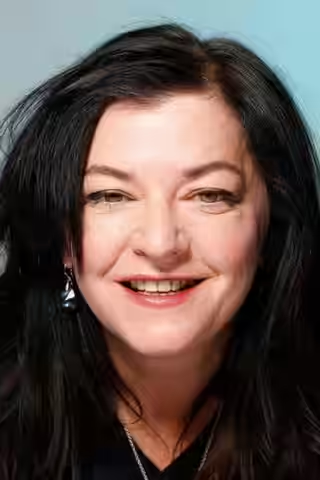
Lynne Ramsay's films can be funny and tender in the bleakest surroundings. We rate her highly when she lets us discover what a character notices, but her forceful images sometimes substitute for getting to know the person.
Fi1m perspective
In Ratcatcher (1999), rubbish has become part of a Glasgow boy's everyday surroundings, but it has not exhausted his curiosity. James is twelve, and he still has things to laugh at and things he wants to look at. Ramsay's feature debut remains our starting point for her work because she lets the child's life be fuller than its hardships. We can care about him without having every experience explained as a lesson.
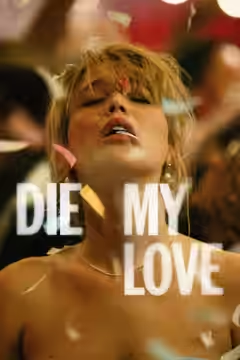
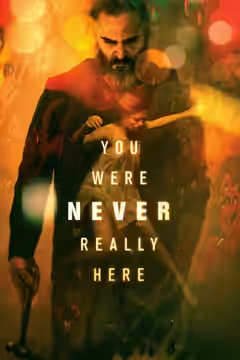
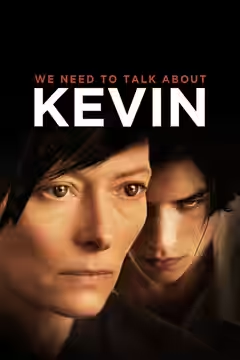
Morvern Callar (2002) followed, using subjective storytelling and its soundtrack to explore a life after loss. After a long gap, We Need to Talk About Kevin (2011) brought a mother's conflicting feelings into a fractured story. You Were Never Really Here (2017) examined trauma and violence with Joaquin Phoenix. The louder Die My Love (2025) makes the humour and unhurried observation of the debut particularly worth returning to.
In Ratcatcher, editor Lucia Zucchetti gives small observations time to accumulate, allowing hardship, humour and imagination to sit comfortably together. Rachel Portman's music warms the tender passages, although the faces need little help. Ramsay gives less attention to the parents played by Tommy Flanagan and Mandy Matthews: their behaviour comes in glimpses that sometimes leave too little to judge. That is a real limitation in a film whose interest in the child is otherwise so patient and precise.
Die My Love finds her more forceful, with Jennifer Lawrence playing Grace, a new mother in a rural Montana farmhouse. We were frightened when Grace moved through the long grass on all fours with a kitchen knife, because Ramsay had already encouraged us to see her as an animal. Cinematographer Seamus McGarvey holds her in low gold light, leaving us time to register the threat before anything happens. Lawrence can be funny and frightening in quick succession without asking for sympathy.
Inside, production designer Tim Grimes supplies stained wallpaper and the previous occupant's leftovers, while McGarvey lights night scenes with the open fridge. Editor Toni Froschhammer cuts the days short and out of order, which unsettles us effectively for an hour. But the second hour repeats the parties, fights and distress without telling us much more about Grace, and exhaustion starts to replace involvement. Lawrence and the images make it worth seeing, with that reservation. For a first encounter with Ramsay, choose Ratcatcher.
Biography
Lynne Ramsay is a Scottish film director and screenwriter. Born in Glasgow on 5 December 1969, she studied photography at Napier College, Edinburgh, before graduating from the National Film and Television School, where she specialised in cinematography and direction.
Her feature films include Ratcatcher (1999), Morvern Callar (2002), We Need to Talk About Kevin (2011), You Were Never Really Here (2017) and Die My Love (2025), on which she also contributed to the screenplay and music. Her early short films Small Deaths (1996) and Gasman (1998) both won the Prix du Jury at Cannes.