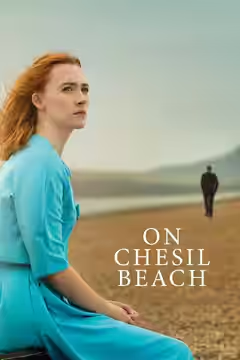
Florence Ponting (Saoirse Ronan) sitting in a boat on the beach as Edward Mayhew (Billy Howle) stands nearby
Film review

On Chesil Beach

2018 · Directed by Dominic Cooke · 1h 50m · MPA R

In a sentenceSaoirse Ronan can make a pause hurt; the film insists on making it last

Florence Ponting (Saoirse Ronan) and Edward Mayhew (Billy Howle) enter married life with affection for each other and little ease about sex. As they approach intimacy, their courtship and the people around them come into view, including Marjorie Mayhew (Anne-Marie Duff). Florence’s discomfort is difficult for her to express, while Edward’s own uncertainty leaves him struggling to understand her. Both want the marriage to work, but neither knows how to make the necessary conversation possible. Expectations about what newlyweds should do turn their wedding night into something each approaches with a different anxiety.

Plays from YouTube when you press play; nothing loads from them until then.

Fi1m review

Saoirse Ronan and Billy Howle give this uneasy romance enough tenderness to make its frustrations matter. Dominic Cooke’s adaptation is worth considering for the performances, though the drawn-out build-up and overexplained feelings blunt its effect.

On Chesil Beach is a careful, intermittently affecting romance that spends too long preparing us to be upset. Dominic Cooke directs Ian McEwan’s adaptation of his own novel, following Florence Ponting and Edward Mayhew through the awkward business of loving someone without knowing how to talk about sex. The performances give that predicament weight, and the film treats embarrassment seriously enough to make us uncomfortable. Its patience eventually becomes a problem, especially when the writing begins to explain feelings the actors have already made clear.

Saoirse Ronan gives Florence a sense of someone working hard to keep an encounter manageable. Her warmth towards Edward never quite removes the difficulty of being close to him. Billy Howle makes Edward’s insecurity sufficiently exposed that we can see how affection becomes another source of pressure. We were moved by the tentative courtship, because both actors make the wish to please each other painfully clear. Their rapport makes it worth paying attention when the writing grows stiff.

The scenes with Anne-Marie Duff, as Marjorie Mayhew, give Billy Howle welcome opportunities to do something beyond negotiating the central romance. They help Edward seem like a person whose life continues outside the couple’s shared unease. Elsewhere, Ian McEwan’s dialogue can sound painstakingly arranged to make a point about repression. The actors have to work around that stiffness, and there are stretches when we are too conscious of everyone labouring to bring an awkward exchange to life.

Sean Bobbitt’s cinematography is most effective when it draws our attention to faces and small physical gestures. That scrutiny makes intimacy uncomfortable, because there is no easy way to overlook a hesitation. Suzie Davies’s production design rewards scrutiny in the early scenes, though the careful presentation can make the surroundings feel over-arranged. There is a stiffness to some of these spaces that suits the characters’ unease, but also makes the drama feel hemmed in.

Nick Fenton’s editing is less successful at managing how long we spend anticipating the next difficult moment. The build-up repeatedly holds us in the same uncertainty after its effect has registered, and the film’s 110 minutes begin to feel generous for the material. Dan Jones’s music adds emotional emphasis that these performances scarcely need. That extra prompting makes the tenderness feel less spontaneous, particularly when the writing is already working hard to ensure we understand the couple’s difficulties.

Repressed desire is hardly unfamiliar territory for a period romance, but the awkwardness here is worth taking seriously. There is an uncomfortable difference between wanting to make someone happy and feeling obliged to provide the happiness they expect, and the central performances keep that difference visible. The film does not always trust us to notice it.

Anyone drawn to intimate dramas about people failing to speak plainly will find something to value here. We would hesitate to offer it as an evening of romantic consolation. Choose it for the two leads, provided a long evening of awkward conversation sounds like your kind of romance.


Critical consensus AI synthesised

62
Positive
9
Mixed
10
Negative
2

The reviews lean towards qualified approval, with praise strongest for Saoirse Ronan and Billy Howle rather than the adaptation as a whole. Ronan draws repeated admiration for making Florence’s anxiety and reserve expressive, while the leads’ chemistry gives the awkward courtship tenderness. Several critics find the treatment of repression and failed communication painful and affecting. Even some less persuaded by the film value its attention to small gestures and revealing period details.

Reservations cluster around the drawn-out central encounter, theatrical stiffness and a final stretch that several reviews find sentimental or contrived. The spread is wide: admirers describe a sensitive, heartbreaking drama, while others find it tedious or emotionally remote. Vulture offers the sharpest dissent, arguing that Florence’s aversion to intimacy becomes a tasteless mystery rather than an experience the film understands. The performances attract considerably more agreement than the storytelling.

Variety
7 September 2017 · Critics Pick · Owen Gleiberman
85*

Gleiberman finds the adaptation lyrical, tender, and heartbreaking, praising its emotionally nuanced vision of love. He singles out Saoirse Ronan’s remarkable performance and the couple’s delicate, affecting chemistry.

Read the full review →
The Independent
16 May 2018 · ★★★★ · Geoffrey Macnab
80

Macnab finds the film a nuanced, painstakingly observed study of awkward young love and social expectations. He especially praises Saoirse Ronan’s portrayal of Florence and the filmmakers’ attention to revealing details.

Read the full review →
The AV Club
15 May 2018 · B · Vikram Murthi
77

Murthi finds the adaptation effective overall, though its prolonged buildup and the central sexual encounter can feel overdrawn or unintentionally comic. He praises the leads’ nuanced performances and the screenplay’s ability to make small gestures carry emotional weight.

Read the full review →
Los Angeles Times
17 May 2018 · Kenneth Turan
75*

Turan finds the film heartbreaking and difficult to watch, but ultimately worth enduring. He especially praises Saoirse Ronan’s performance and the film’s immaculate writing, direction and acting.

Read the full review →
Slant Magazine
15 May 2018 · ★★★/4 · Chuck Bowen
75

Bowen praises the film’s willingness to make repression and emotional intimacy compelling, while presenting the couple’s failed communication as tragic. He especially singles out Saoirse Ronan and Billy Howle’s rapport, which gives their characters’ insecurities and affection a moving force.

Read the full review →
The Hollywood Reporter
8 September 2017 · festival review · Deborah Young
70*

The critic finds the drama delicate and emotionally affecting, though its final act veers into disappointing sentimentality. She particularly praises the performances of Saoirse Ronan and Billy Howle.

Read the full review →

Straight answers AI written, from our review

Is On Chesil Beach worth watching?
On Chesil Beach is worth watching for the two lead performances, and we scored it 65. Saoirse Ronan and Billy Howle make a couple's inability to talk about sex painful to watch, but the film spends too long preparing us to be upset and explains feelings the actors have already shown. Choose it if a long evening of awkward conversation sounds like your kind of romance.

How long is On Chesil Beach, and what is it rated?
On Chesil Beach runs 1h 50m and is rated R by the MPA in the US. It is a drama and romance film.
Where can I watch On Chesil Beach in the US?
On Chesil Beach is streaming on Netflix and Tubi in the US, and it is also available to rent from Apple TV and Amazon Prime Video from $4.99. Availability is checked daily; the links above go straight to each service.
How violent or frightening is On Chesil Beach, and is it suitable for children?
On Chesil Beach is not violent or frightening; it carries a UK 15 certificate for its frank treatment of sex and the unease surrounding it. The discomfort is emotional rather than graphic, built from hesitations and embarrassment on a wedding night. It is unsuitable for children and unlikely to hold younger teenagers, but the squeamish have nothing to brace for.
How does On Chesil Beach compare to Brief Encounter?
On Chesil Beach and Brief Encounter are both restrained romances about people whom social expectations make unable to speak plainly, and the earlier film is the better of the two. David Lean's film makes falling in love feel ordinary and frightening in far fewer minutes; Dominic Cooke's holds us in the same uncertainty after its effect has registered. Watch Brief Encounter first, then On Chesil Beach for Ronan and Howle.
Is On Chesil Beach based on a true story or a book?
On Chesil Beach is based on Ian McEwan's novel of the same name, and McEwan wrote the screenplay himself. It is not a true story. Knowing the book is not necessary, though the dialogue can sound painstakingly arranged to make a point about repression, a stiffness readers of McEwan may recognise and others may find heavy-handed.
What should I watch after On Chesil Beach?
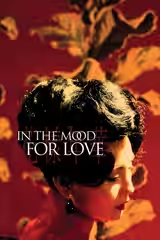
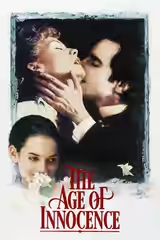
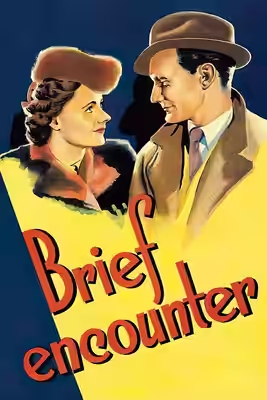
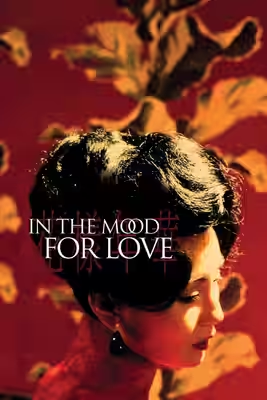
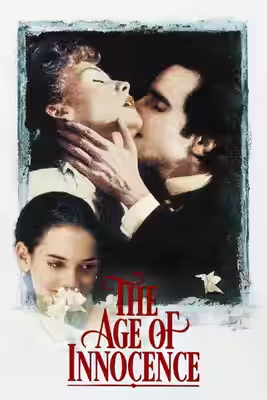
After On Chesil Beach, try Brief Encounter (1945, Fi1m 90): Another restrained romance in which social expectations make ordinary conversation painfully difficult. Then In the Mood for Love (2000, Fi1m 91): For carefully observed attraction, withheld words and the pressure of respectable appearances; and The Age of Innocence (1993, Fi1m 86): A more expansive study of desire constrained by manners and inherited obligations.

Cast

If you liked this, try…

  1. Brief Encounter (1945, Fi1m 90)Another restrained romance in which social expectations make ordinary conversation painfully difficult.

  2. In the Mood for Love (2000, Fi1m 91)For carefully observed attraction, withheld words and the pressure of respectable appearances.

  3. The Age of Innocence (1993, Fi1m 86)A more expansive study of desire constrained by manners and inherited obligations.

  4. A Room with a View (1985) · not on Fi1m yetPeriod courtship with more air, more humour and an equally sharp ear.

  5. The Lunchbox (2013, Fi1m 75)A gentler romance about lonely people finding words they cannot say aloud.

Free account

Know what to watch tonight

Two lists that know where things are streaming, collections you can share, your own score beside ours, and Discover that remembers what you have seen.

  • Want to see, sorted by what is streaming now
  • Seen, with your score out of ten
  • No adverts, ever