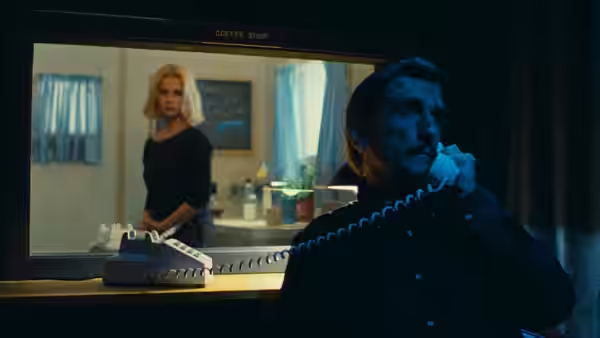
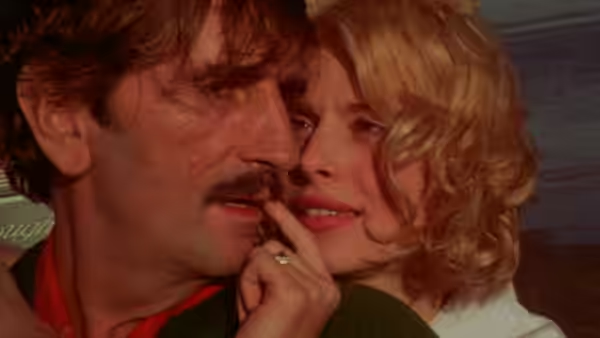
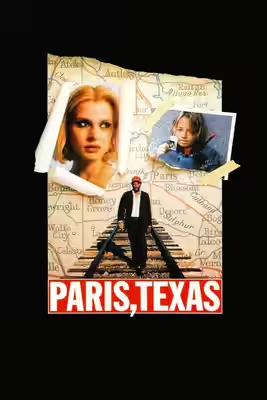
Jane (Nastassja Kinski) glancing back over her shoulder in a pink sweater
Film review

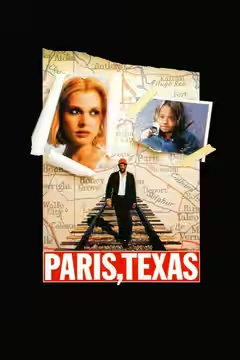
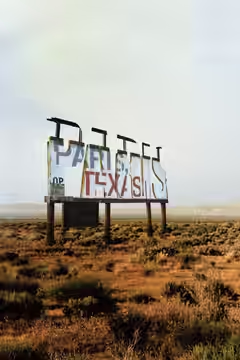
Paris, Texas

1984 · Directed by Wim Wenders · 2h 25m · MPA R

In a sentenceHarry Dean Stanton makes a long silence seem a better use of our evening than most conversations

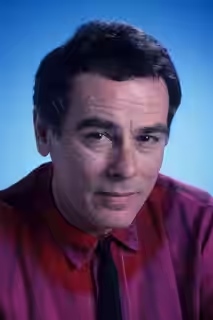
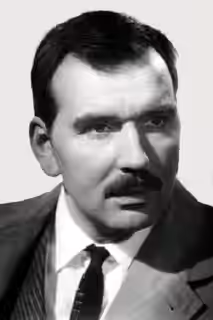
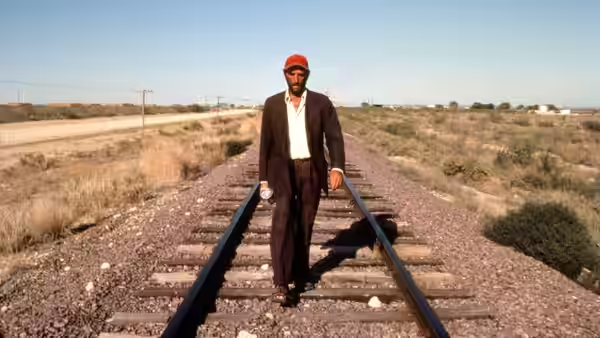
Travis (Harry Dean Stanton), a drifter, tries to reunite his family. His journey through America brings questions about separation, loneliness and what remains between people who have grown apart. The people in his story include Jane (Nastassja Kinski), Walt (Dean Stockwell), Anne (Aurore Clément) and Hunter (Hunter Carson). Directed by Wim Wenders and written by Sam Shepard and L.M. Kit Carson, the drama follows a man attempting to find his way back to other people. Travelling means facing the difficulty of speaking about the past, with no certainty about how he will be received.

Plays from YouTube when you press play; nothing loads from them until then.

Fi1m review

Wim Wenders makes a deeply moving drama from a drifter’s attempt to reunite his family. Harry Dean Stanton gives it an uncomfortable honesty, though the patient pace occasionally asks more than it needs to.

Wim Wenders makes the road seem a plausible place to go when staying with other people has become difficult. Paris, Texas follows a drifter trying to reunite his family, and it is deeply moving without making him easy company. Harry Dean Stanton gives Travis a reserve that makes us want to listen. Wenders is prepared to wait for him. Across 145 minutes, that patience occasionally becomes excessive, but the performances justify the time far more often than the scenery does.

Stanton’s restraint is the chief reason to stay. A performance this quiet can leave the audience doing all the work, but he makes Travis’s difficulty with other people feel particular. We were moved more than we expected by the effort he seems to put into saying little. The hesitations suggest someone for whom conversation has become hard work, even before there is anything painful to discuss. Wenders gives that discomfort room, and Stanton does not make Travis more agreeable simply because he is hurt.

The writing, credited to Sam Shepard and L.M. Kit Carson, is strongest when it lets ordinary language carry unpleasant feelings. The words remain plain enough that we can hear the difficulty underneath them. The spare dialogue makes us attend to what a person can bring themselves to say, and how much they expect someone else to understand. Nastassja Kinski’s Jane is essential here. Her performance makes it harder to settle into the comfortable business of feeling sorry for Travis alone.

Dean Stockwell’s Walt and Aurore Clément’s Anne help keep the film within reach of ordinary life. Their performances discourage us from treating Travis as a romantic mystery whose unhappiness excuses everything. Hunter Carson’s Hunter brings a welcome directness beside the guarded adults. Wenders needs that difference in temperament: sustained attention to one withdrawn man could become oppressive, and the supporting actors give us other people whose feelings deserve consideration.

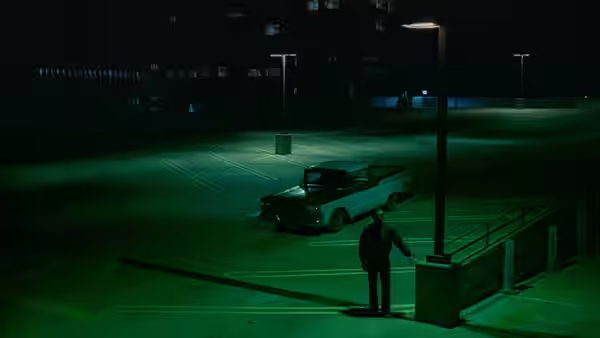
Robby Müller’s cinematography makes the American landscape look unfamiliar without making it seem unreal. The panoramic views invite us to linger, and their scale makes the human loneliness feel harder to escape. So much open country offers little suggestion of company. It is a familiar road-film idea, handled with enough care to make it felt again. We can enjoy looking at this America and still understand why someone might struggle to live in it.

Peter Przygodda’s editing lets the actors take their time, which is usually the right decision. The trouble comes when an unhurried stretch no longer deepens our understanding of them, and a firmer cut would have helped. Ry Cooder’s music sustains our attention even then. Its sadness makes us feel for Travis when he is offering little help, and it gives the quieter passages an emotional force they might otherwise lack. Cooder can make the hurt audible while Stanton keeps the performance restrained.

A road film can become satisfied with finding another view, another reason to keep travelling. Wenders stays interested in the awkward work of approaching another person, which makes the journey matter. Our reservation is the time he sometimes takes to establish feelings we have already understood. Give it an evening without interruptions; these performances deserve better than being caught between conversations.

Critical consensus AI synthesised

89
Positive
9
Mixed
1
Negative
0

Most critics respond warmly to Paris, Texas, with praise clustering around Wim Wenders’s patient direction, Robby Müller’s landscape photography and Harry Dean Stanton’s restrained performance. The reviews repeatedly find that its images of America give loneliness and separation a concrete, affecting setting, while Ry Cooder’s score deepens the emotion without overwhelming it. Several also admire the naturalistic acting and the way the story gradually reveals its characters’ pain, finding considerable feeling in sparse dialogue and quiet observation.

The disagreement concerns how well the writing sustains that promise, rather than how the film looks. The New York Times supplies the sole mixed assessment, admiring the opening road-film passages and Müller’s photography but finding Sam Shepard’s contribution diluted by too many hands. That reservation stands apart from a strongly positive consensus: other reviews praise the narrative’s structure, emotional intensity and willingness to take its time.

Radio Times
★★★★★ · Tom Hutchinson
100

The critic praises this emotionally charged road movie about a drifter seeking to reunite his family. Ry Cooder's score and Wenders' outsider perspective on rootless America are singled out.

Read the full review →
RogerEbert.com
1 January 1984 · ★★★★/4 · Roger Ebert
100

The critic praises the film's defiantly individual exploration of loss, loneliness, and eccentricity through unforgettable images and a spare American idiom from Sam Shepard. He singles out its passion, willingness to experiment, and links to earlier road movies as making it Wenders's best work so far—true, deep, and brilliant.

Read the full review →
The Times
29 July 2022 · ★★★★★ · Kevin Maher
100

This is a welcome re-release of Wim Wenders’s strongest work and an iconic Eighties heartbreaker. The naturalistic performances, deft narrative structure and panoramic vistas make it easily the strongest movie in the director’s career.

Read the full review →
Empire
1 January 2000 · William Thomas
90*

The critic hails the film as a hypnotic masterpiece and one of the great films about America, praising its European perspective on the Texan landscape and its exploration of grief, separation and human disconnection.

Read the full review →
The AV Club
20 March 2009 · Keith Phipps
85*

Phipps finds the film a rewarding discovery years later, praising its alien yet beautiful vision of America through Wenders and Müller's cinematography. He singles out the extended, devastating monologue scene between Stanton and Kinski for its emotional intensity and cinematic elegance.

Read the full review →
The Guardian
27 July 2022 · Peter Bradshaw
85*

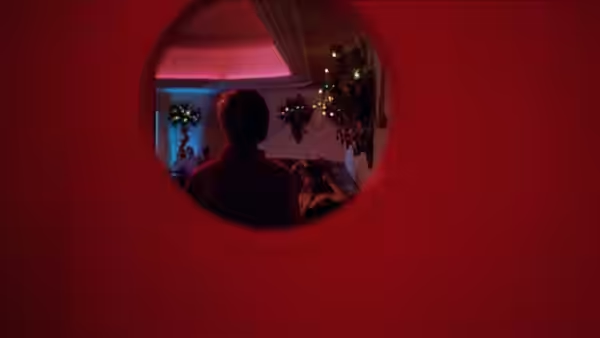
Wim Wenders’s Euro-Americanist masterpiece feels as richly mysterious and mesmeric as ever. It is a beautiful-looking, beautiful-sounding film whose enduring impact comes from the sordid loneliness and weird alienation in its peep-show sequences.

Read the full review →

Straight answers AI written, from our review

Is Paris, Texas worth watching?
Paris, Texas is worth watching for anyone with a patient evening and a taste for quiet drama, and we scored it 88. Harry Dean Stanton's restrained performance as a drifter trying to reunite his family moved us more than we expected, though Wim Wenders sometimes lingers on feelings we have already understood. Give it 145 uninterrupted minutes and it repays them.
How long is Paris, Texas, and what is it rated?
Paris, Texas runs 2h 25m and is rated R by the MPA in the US. It is a drama film.
Where can I watch Paris, Texas in the US?
Paris, Texas is streaming on HBO Max, Tubi, Amazon Prime Video and The Roku Channel in the US, and it is also available to rent from Amazon Prime Video from $3.99. It leaves HBO Max on 30 September. Availability is checked daily; the links above go straight to each service.
How violent or frightening is Paris, Texas, and is it suitable for children?
Paris, Texas carries a UK 15 certificate, and it is an adult drama about separation and loneliness rather than a violent or frightening one. Our review found nothing to warn the squeamish about; the difficulty here is emotional, in the slow, painful business of a man trying to speak to people he has left. Children are likely to find it long and uneventful rather than upsetting.
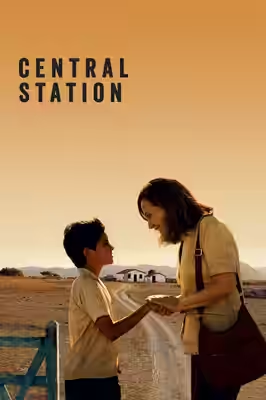
How does Paris, Texas compare to Central Station?
Paris, Texas is the sparer and more demanding of the two, and the finer film in our judgement. Both are road dramas about reluctant companionship, but Walter Salles's Central Station is warmer and occasionally reassures us too readily, while Wim Wenders lets Harry Dean Stanton's silences carry the weight. Choose the Wenders film if you want to sit with discomfort, and Central Station for a journey that more openly asks for your affection.
What should I watch after Paris, Texas?
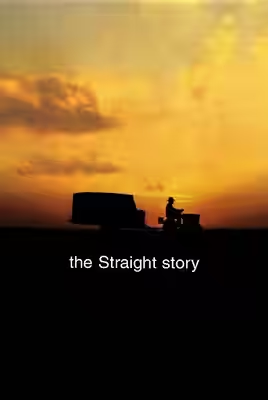
After Paris, Texas, try Central Station (1998, Fi1m 85): Another difficult journey where reluctant companionship matters as much as reaching a destination. Then The Straight Story (1999, Fi1m 88): Family regret and American roads, with a gentler traveller at the centre; and Five Easy Pieces (1970, Fi1m 88): An unsettled man discovers how little distance can protect him from family.

Cast

Awards

Cannes Film Festival, 1984

Won
Palme d'Or

If you liked this, try…

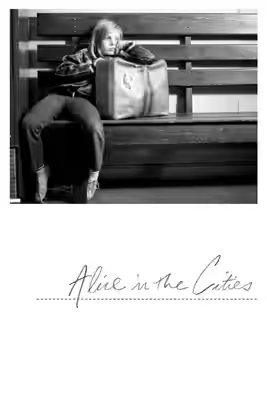
  1. Alice in the Cities (1974) · not reviewed yetA travelling adult and child slowly make room for each other.

  2. Central Station (1998, Fi1m 85)Another difficult journey where reluctant companionship matters as much as reaching a destination.

  3. The Straight Story (1999, Fi1m 88)Family regret and American roads, with a gentler traveller at the centre.

  4. Five Easy Pieces (1970, Fi1m 88)An unsettled man discovers how little distance can protect him from family.

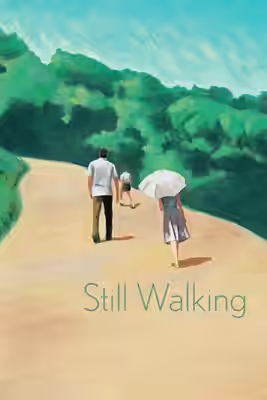
  5. Still Walking (2008) · not reviewed yetFamily grievances emerge through ordinary conversation, with patience and little reassurance.

Free account

Know what to watch tonight

Two lists that know where things are streaming, collections you can share, your own score beside ours, and Discover that remembers what you have seen.

  • Want to see, sorted by what is streaming now
  • Seen, with your score out of ten
  • No adverts, ever