Ken Loach’s building-site comedy is funny, observant and well cast, with Robert Carlyle and Ricky Tomlinson among its pleasures. The romance is less convincing, and some scenes ramble, but the workers are worth spending an evening with.
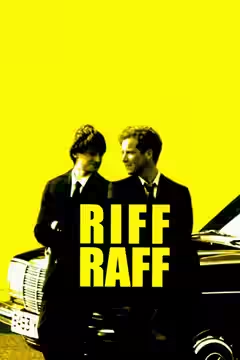
Ken Loach’s Riff-Raff is a good, unruly workplace comedy whose romance never quite earns the time spent on it. Its London building site gives us people who have to get on with the job, however little protection the job offers them. Loach is interested in how they entertain one another as much as in what makes their lives difficult. Their insecure employment remains a concern even while the jokes are coming.
Bill Jesse’s screenplay is alert to the scams and shared jokes that help the labourers through the day. We laughed at the scams, because getting away with something is treated as a perfectly ordinary skill. The humour depends on familiarity: these people know the work and the company they are keeping. Jesse makes the separation between workers and management clear, too, and does not interrupt the humour to deliver a lecture. Their grievances are easy to understand when we have spent time listening to them.
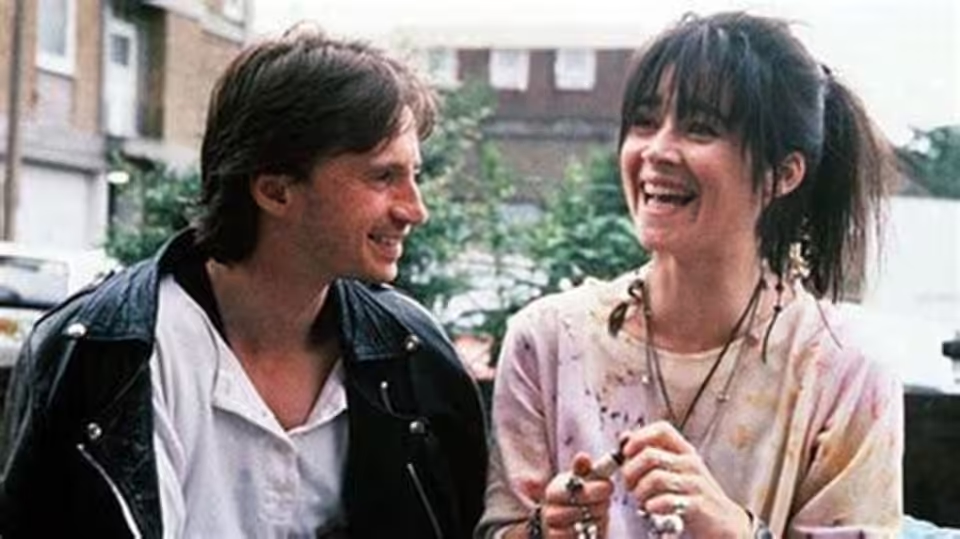
Robert Carlyle gives Stevie enough presence to hold our attention without making the ensemble seem incidental. Ricky Tomlinson’s Larry fits the humour particularly well, with an ease that makes the workplace conversations convincing. The supporting players matter because the comedy needs a group whose members seem capable of carrying on when the principal actors have left. Loach’s casting largely achieves that, and the roughness of the exchanges is often a pleasure.
Barry Ackroyd’s cinematography gives the film its documentary feel, keeping the building site important to our sense of the people in it. The workplace is allowed to look like somewhere a shift has to be completed. Martin Johnson’s production design makes those surroundings credible, and the lack of visual fuss is welcome. A picturesque site would quickly make the labour seem like a pleasant way to pass an afternoon, which would undo much of what Jesse has written.
Jonathan Morris’s editing lets the film proceed through loosely linked episodes, and the relaxed pace usually suits the material. There is time for exchanges that are amusing and contribute nothing essential to the plot. Some of the partly improvised scenes become muddled, though, and the film does not always know when a joke has finished. Stewart Copeland’s music supports the lighter tone without insisting that we find the men’s circumstances cheerful. The cast’s conversational timing makes the stronger impression.
The romance exposes the limits of this loose approach, asking for a sustained interest that the writing has not secured. Emer McCourt’s Susan is played with conviction, but the film is less persuasive about intimate relationships than it is about sharing a working day. Jesse and Loach also push some of the drama harder than they need to, allowing contrivance into scenes that ought to convince us as readily as the site conversations. We do not need the difficulties made more emphatic to understand what is at stake.
Social comedy can become dutiful when everyone exists to demonstrate how badly a country is being run. Riff-Raff avoids that trap for long stretches because its workers are allowed to enjoy themselves, even when their prospects give them little reason to. At 95 minutes, it has room for that company without demanding too much patience. Choose it for an evening when a few good laughs and some recognisable working lives are enough.