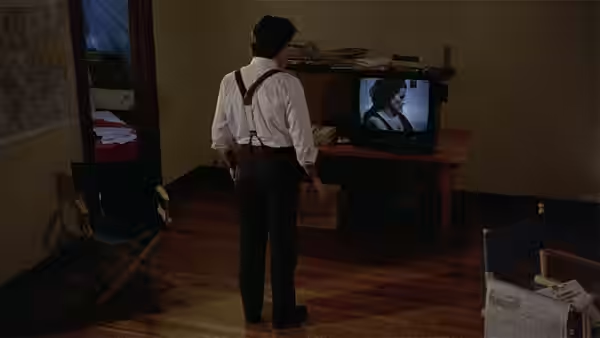
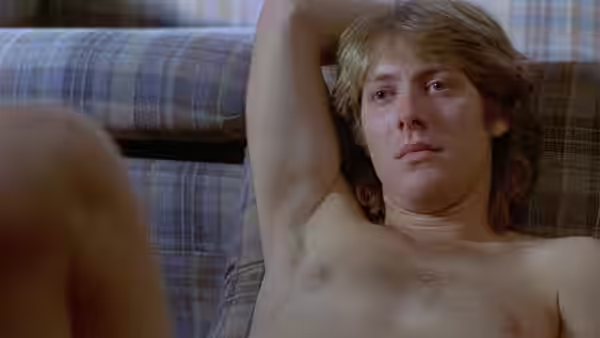
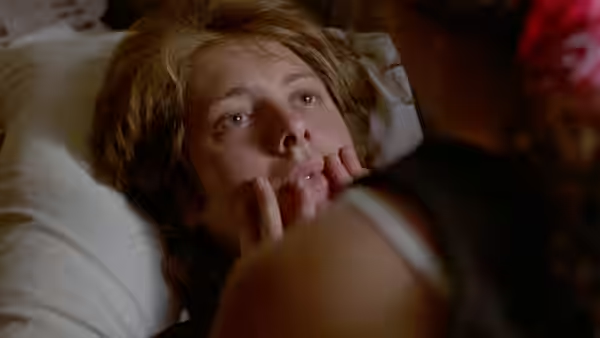
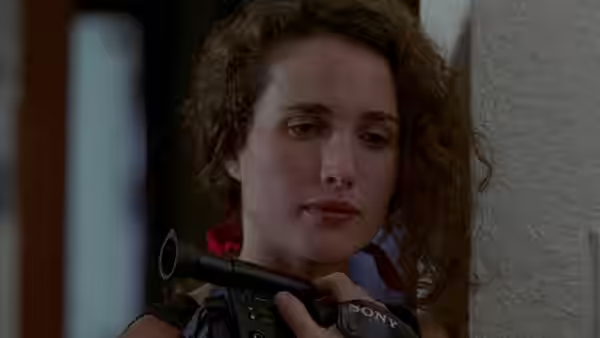
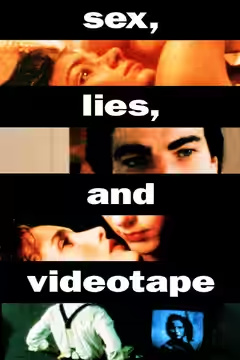
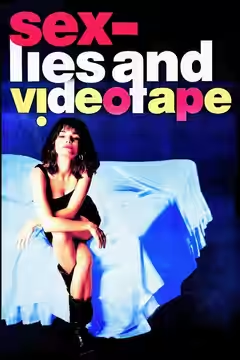
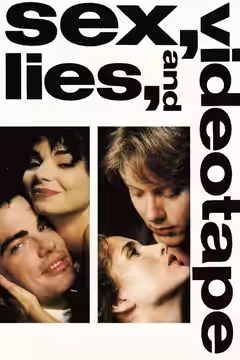
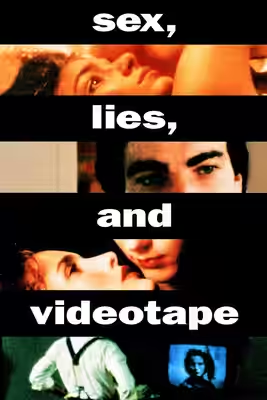
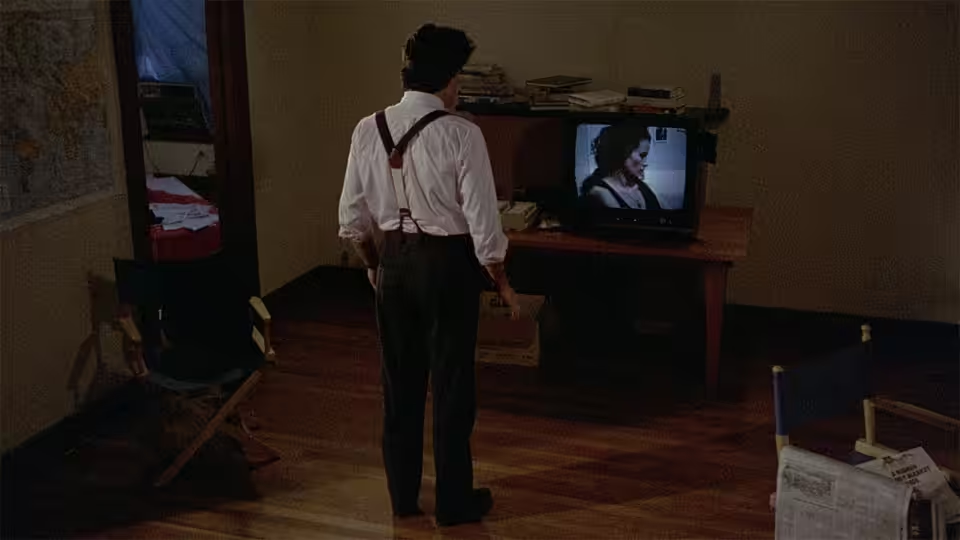
a man in suspenders watches a woman on a television screen
Film review

sex, lies, and videotape

1989 · Directed by Steven Soderbergh · 1h 41m · MPA R

In a sentenceA lawyer, his wife, her sister and a drifter with a camcorder; the drifter is the honest one

Ann Bishop Mullany lives in a well-kept Louisiana house with her husband John, a lawyer. She tells her therapist she has lost interest in sex and lies awake worrying about the world’s rubbish. John, meanwhile, is sleeping with Ann’s sister Cynthia, who has no patience for Ann’s tidiness. Into this arrives Graham Dalton, John’s friend from college, passing through town with a car, few possessions and a video camera. Over lunch he tells Ann that he cannot perform sexually, and that he records women talking about their sex lives. James Spader, Andie MacDowell, Peter Gallagher and Laura San Giacomo play the four; Ron Vawter is the therapist. Steven Soderbergh wrote, directed and edited.

Fi1m review

Steven Soderbergh’s first film puts four people in a Louisiana house, adds a video camera, and lets them talk themselves into trouble. It is small, exact and quietly funny, and it has kept; only the technology has aged.

Steven Soderbergh wrote, directed and edited his first film, and it shows, in the sense that nothing in it seems to be there by accident. Ann (Andie MacDowell) tells her therapist (Ron Vawter) she has stopped wanting sex and has started worrying about where the rubbish goes. Her husband John (Peter Gallagher), a lawyer, is sleeping with her sister Cynthia (Laura San Giacomo). Into this drives Graham (James Spader), John’s old friend, with one bag, a camcorder and a habit of answering questions truthfully. sex, lies, and videotape is a small film that has lasted: 101 minutes, four rooms, a great deal of talk, and it earns its 15 certificate with barely a bare shoulder.

Soderbergh the editor is the first surprise. The opening lays Ann’s therapy session over pictures of Graham driving into town and John undressing in Cynthia’s flat, so that three lies are under way before anyone has said a false word. He keeps doing it: a conversation starts in one room and finishes over the faces of the people it is about. It costs nothing and it does most of the film’s work, because we always know one thing more than whoever is speaking.

Spader plays Graham almost motionless, hands folded, voice pitched just under conversational. He tells Ann he is impotent the way another man might mention hay fever, and the comedy comes from watching MacDowell take it. She plays Ann as a woman who has ironed herself flat and is beginning to notice the creases; her small starts of alarm are the funniest thing in the film. Gallagher gives John the ease of a man who has never been caught at anything and does not believe he is the sort who gets caught. San Giacomo’s Cynthia is the only one of the four with an appetite and no shame about it, and she gets the best lines. Vawter listens with a patience that is itself a form of judgement.

Walt Lloyd shoots the Mullany house in low, warm, lamp-lit tones, blinds down against the afternoon, so that it looks comfortable and slightly short of air. The tapes, when we see them, are the opposite: grey-blue video, soft at the edges, a single face in a chair. Cliff Martinez’s score is a handful of quiet electronic figures that arrive between scenes and leave before anyone speaks. It never tells us what to feel, and in a film about people who cannot say what they feel, that is the right call.

The scene that got us comes early. Ann finds Graham’s shelf of tapes, each labelled with a woman’s first name, and asks what is on them. He tells her. We laughed at her alarm, and then, as he went on explaining in that even voice why he does it, we went cold and stopped laughing. Nothing is shown. The film’s method is to keep the camera on the person listening, and it is a good deal more unsettling than any of the sex the title promises.

Not all of it holds. The therapy scenes say out loud what the rest of the film is already showing, and by the third of them we wanted Vawter to put down his notepad. The film’s faith that telling the truth into a lens will do you good is stated more tidily than these people deserve. The second half takes a turn we will not describe; it resolves things a little more neatly than the first hour led us to expect, and some critics at the time thought the whole thing came down to homilies about honesty. We think that undersells how much the film distrusts Graham, who is its most honest character and its most damaged. But the homilies are there.

Soderbergh went on to bigger and busier films, Out of Sight (1998) and Traffic (2000) among them, and several are better. None is more certain of exactly what it is and how long it should take. Watch this one with someone you have been with for a long time, and try not to look at each other during the lunch scene.

Critical consensus AI synthesised

82
Positive
15
Mixed
1
Negative
0

With only 3 reviews in so far, the reviews lean warm but the spread is wide. Most critics take it as an unusually assured debut, praising Soderbergh’s script for its patience with adultery and voyeurism, and the performances for feeling like people rather than positions; several single out the video camera itself as a character. Some note the technical limits of a low budget without minding much.

The one clear dissent comes from The New Yorker, which grants the film its polish and its knack for tension from small materials but finds it a triangle drama with a minor kink, arriving at platitudes about honesty and feelings.

Slant Magazine
7 November 2018 · ★★★★/4 · Chuck Bowen
100

The review lauds the Criterion restoration of Soderbergh's debut and its themes of media as both connection and alienation. It praises the film's controlled austerity, sensual completeness, and interrogation of truth versus performance.

Read the full review →
Los Angeles Times
4 August 1989 · Sheila Benson
90*

The critic calls the film the funniest and saddest American movie in years and possibly the most compelling, praising its elegant revelation of contemporary sexual afflictions and tranquil spell. Soderbergh’s manner of pushing characters into deeper psychological waters is highlighted as a key strength.

Read the full review →
The Hollywood Reporter
7 February 1989 · festival review · Duane Byrge
90*

The critic praises the film as a penetrating, moving, and darkly funny independent feature that offers witty but touching insights into modern relationships through its characters' inner workings. They single out the layered performances, particularly those of Peter Gallagher, Andie MacDowell, Laura San Giacomo, and James Spader.

Read the full review →
The New York Times
4 August 1989 · Caryn James
90*

The critic hails Soderbergh’s debut as an astonishing, richly layered tale of sexual greed, fear, love and betrayal that surpasses its advance praise. Graham’s video camera is singled out as a central player in this intricate dance of truth, self-denial and deception.

Read the full review →
Variety
31 December 1988 · Variety Staff
90*

The review praises the film as a sexy, nuanced, beautifully controlled examination of erotic impulses and inhibitions. It highlights the absorbing conversations about sex and the strong production values despite the low budget.

Read the full review →
The AV Club
21 January 2016 · A.A. Dowd
85*

The review celebrates the film's impact on indie cinema while praising its compact, idea-packed story of sexual and emotional dysfunction in Baton Rouge. It singles out James Spader's enigmatic performance and the film's prescient take on technology and intimacy.

Read the full review →

Straight answers AI written, from our review

Is sex, lies, and videotape worth watching?
sex, lies, and videotape is worth watching for anyone who likes a small, talky drama in which four people slowly give themselves away, and we scored it 83. Steven Soderbergh's first film is exact, quietly funny and has kept well; only the camcorder has aged. The therapy scenes spell out what the rest already shows, and the ending is tidier than it needs to be.
How long is sex, lies, and videotape, and what is it rated?
sex, lies, and videotape runs 1h 41m and is rated R by the MPA in the US. It is a drama film.
Where can I watch sex, lies, and videotape in the US?
sex, lies, and videotape is available to buy from Amazon Prime Video from $12.99. Availability is checked daily; the links above go straight to each service.
How violent or frightening is sex, lies, and videotape, and is it suitable for children?
sex, lies, and videotape is a 15 certificate with no violence and almost no nudity; the title promises more sex than the film shows. It is unsettling rather than frightening, mostly because it keeps the camera on people listening to frank talk about sex and dishonesty. It is not for children, and younger teenagers would find it slow; it suits adults who like watching conversation do the work.
How does sex, lies, and videotape compare to Certified Copy?
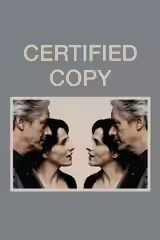
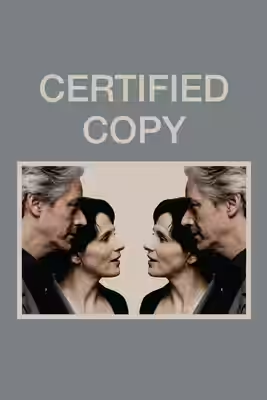
sex, lies, and videotape and Certified Copy are both films of people talking their way into doubt, but Soderbergh's is the tighter and funnier of the two, four people in one Louisiana house over 101 minutes. Kiarostami's is a stranger, more taxing romance that asks more patience for what it gives back. Start with Soderbergh if you want a story; go to Kiarostami if you want an argument.
What should I watch after sex, lies, and videotape?
After sex, lies, and videotape, try Closer (2004, Fi1m 63): Four Londoners, two couples, every honest sentence used as a weapon. Then Certified Copy (2010, Fi1m 84): Kiarostami lets a man and a woman walk and talk until we doubt who they are.

Cast

Awards

Academy Awards, 1990

Nominated
Best Writing, Original Screenplay

Cannes Film Festival, 1989

Won
Palme d'Or

Sundance Audience Award: U.S. Dramatic, 1989

Won
Sundance Audience Award: U.S. Dramatic

If you liked this, try…

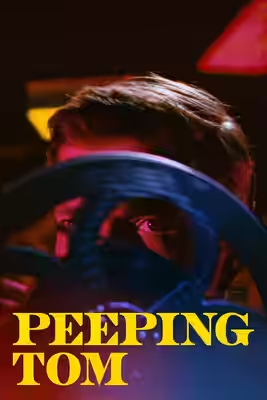
  1. Peeping Tom (1960) · not reviewed yetMichael Powell’s man with a camera; the same idea, thirty years earlier and far nastier.

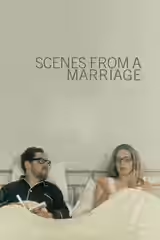
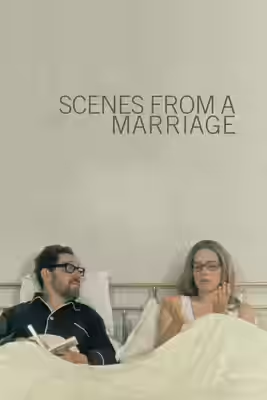
  2. Scenes from a Marriage (1973) · not reviewed yetBergman’s two people talking a marriage to death, in rooms, for hours.

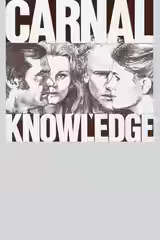
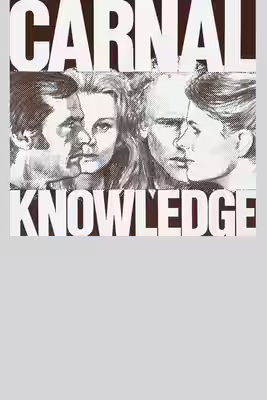
  3. Carnal Knowledge (1971) · not reviewed yetNichols and Feiffer on men who cannot stop talking about sex or enjoy it.

  4. Closer (2004, Fi1m 63)Four Londoners, two couples, every honest sentence used as a weapon.

  5. Certified Copy (2010, Fi1m 84)Kiarostami lets a man and a woman walk and talk until we doubt who they are.

Free account

Know what to watch tonight

Two lists that know where things are streaming, collections you can share, your own score beside ours, and Discover that remembers what you have seen.

  • Want to see, sorted by what is streaming now
  • Seen, with your score out of ten
  • No adverts, ever