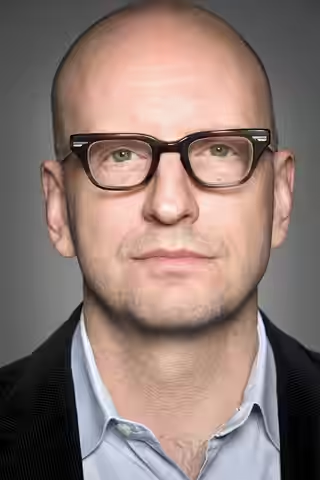
Steven Soderbergh makes watching people work engrossing, from planning a robbery to picking apart a recording. We rate him highest when his quick cutting serves people worth caring about; his experiments do not always supply them.
Fi1m perspective
In Kimi (2022), Zoë Kravitz sits at a desk and plays a recording again, trying to hear what lies beneath the music. Soderbergh lets the task take time. We felt sick when the noise became a voice, because each replay had made us listen harder. For a director so good at moving films along, he knows when to leave somebody in a chair.
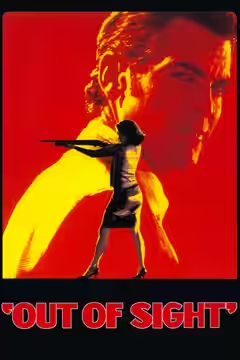
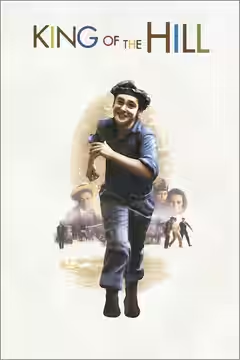
sex, lies, and videotape (1989) began with people talking in rooms and an editor, Soderbergh himself, who let their words run over somebody else's face. The early films were not uniformly chilly: King of the Hill (1993) gave Jesse Bradford's stranded boy warmth without asking for pity. But Out of Sight (1998) was the turn. Working from Scott Frank's script, he let the criminals talk and the attraction matter. Its Detroit stretch gets busier than it needs to, but the warmth survives.
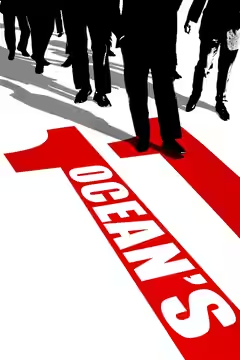
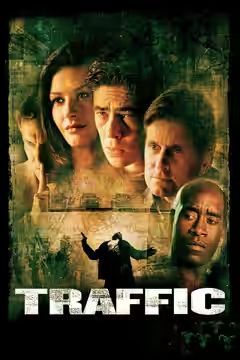
In Traffic (2000), his own cinematography keeps several stories legible through colour: bleached yellow in Mexico, cold blue in Ohio. For Ocean's Eleven (2001), editor Stephen Mirrione makes the parallel action equally clear. David Holmes gives the walks a rhythm with organ and bass, while Philip Messina's casino vault makes us want to know how anyone could get inside it. The pleasure is in understanding the job. Julia Roberts gets too little to do, even for a film this occupied with its robbery.
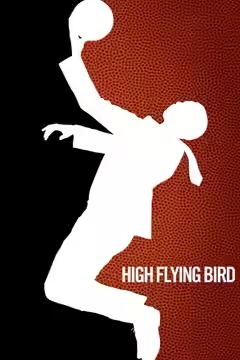
The smaller experiments are less dependable. Full Frontal (2002) repeats the contrast between smeared digital video and glossy film until there is little left to notice. The actors need more than a change of format to hold our attention. High Flying Bird (2019) works better: the phone's cold, flattened offices suit Tarell Alvin McCraney's quick talk about money, though outdoor daylight exposes the image's thinness.
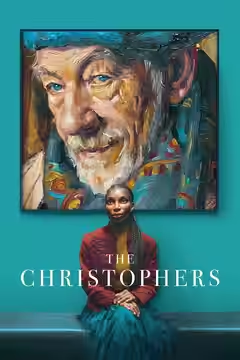
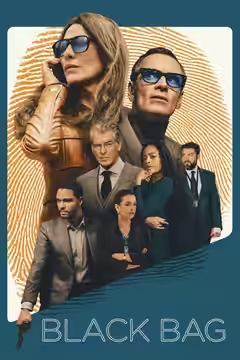
Since returning from retirement with Logan Lucky (2017), he has kept making small, varied films. In Black Bag (2025), David Koepp's script gives him a spy puzzle with no spare scenes, though the mystery is less gripping than its neat construction suggests. The Christophers (2026) is good company when Ian McKellen and Michaela Coel talk, but his cutting cannot stop the repeated visits to the same rooms becoming tiring. For an evening when we would rather not make allowances, Out of Sight remains the choice.
Biography
Steven Soderbergh is an American film director, producer, screenwriter, cinematographer and editor. He was born on 14 January 1963 in Atlanta, Georgia.
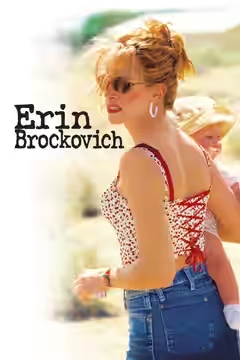
Soderbergh's breakthrough came with the independent film sex, lies, and videotape (1989), which won the Palme d'Or at Cannes. He later directed Out of Sight (1998), Erin Brockovich (2000) and Traffic (2000), for which he received the Academy Award for Best Director. His other notable films include the Ocean's trilogy (2001–2007), Contagion (2011), Magic Mike (2012), Logan Lucky (2017), Kimi (2022), Magic Mike's Last Dance (2023) and Black Bag (2025). He has frequently served as his own cinematographer under the name Peter Andrews and editor under the name Mary Ann Bernard.
More recent credits include directing, cinematography and editing on The Christophers (2026).