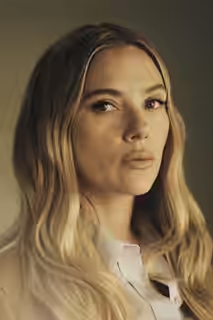
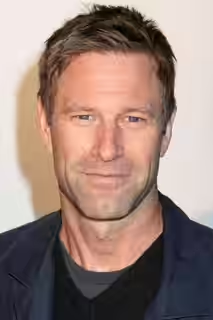
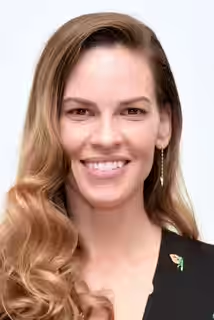
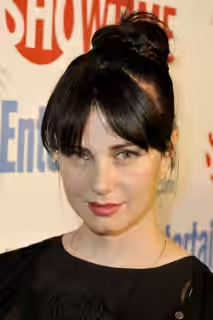
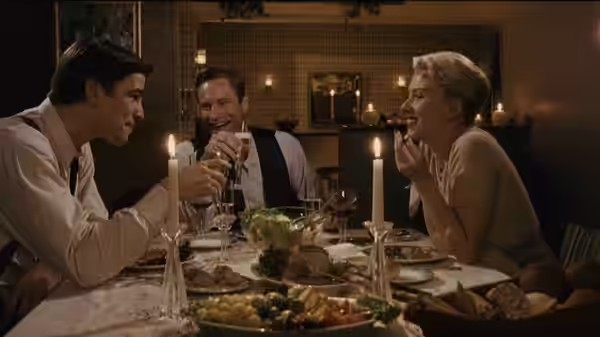
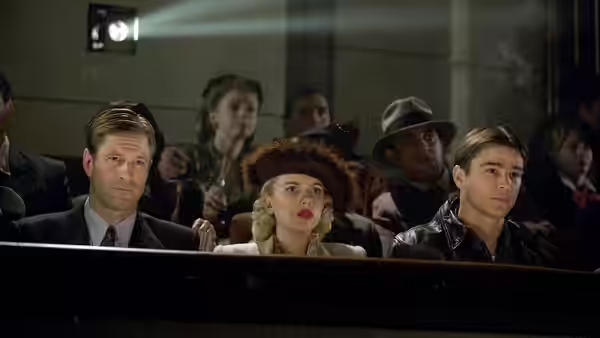
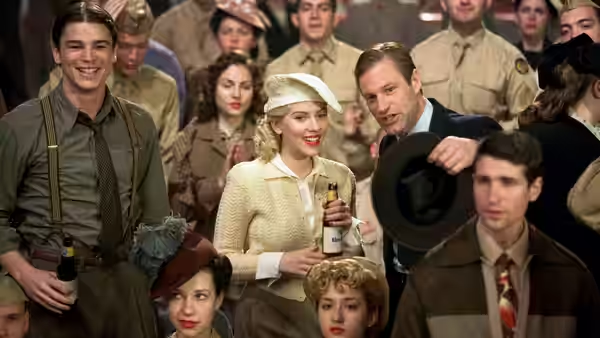
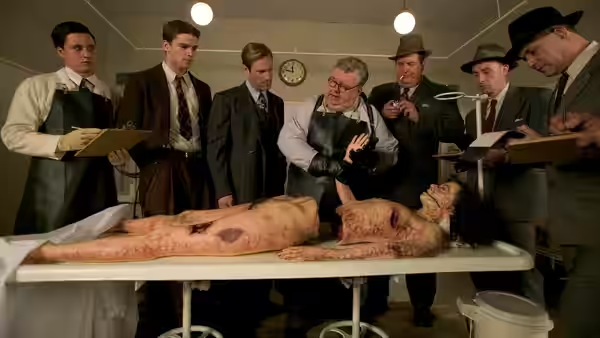
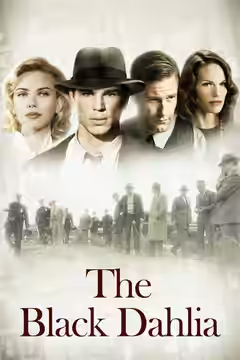
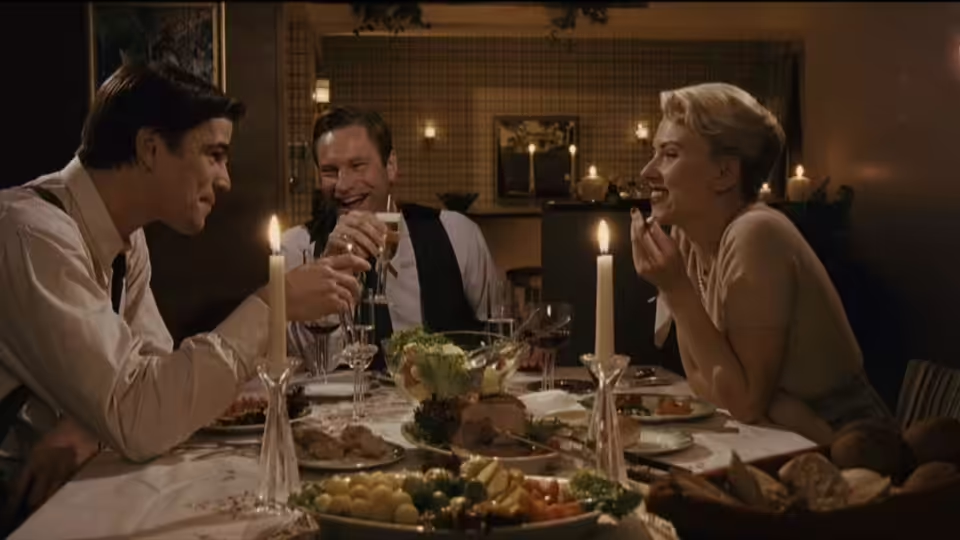
Bucky Bleichert (Josh Hartnett), Lee Blanchard (Aaron Eckhart) and Kay Lake (Scarlett Johansson) toasting at a dinner table
Film review

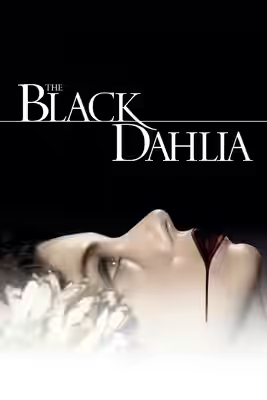
The Black Dahlia

2006 · Directed by Brian De Palma · 2h 01m · MPA R

In a sentenceA murder mystery in which the corpse gives the liveliest performance

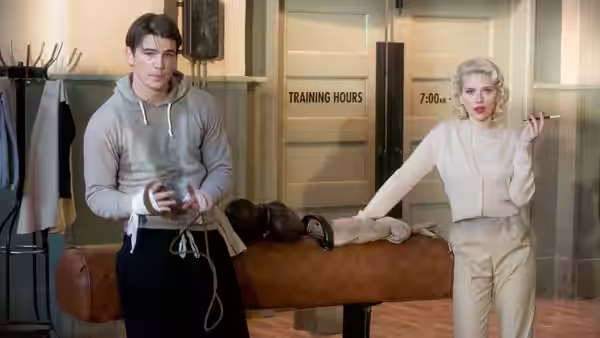
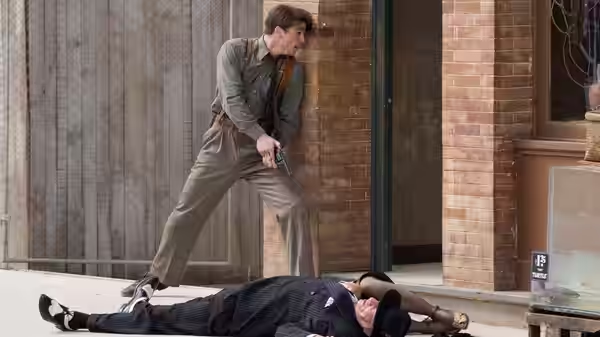
Los Angeles, 1947. Bucky Bleichert (Josh Hartnett) and Lee Blanchard (Aaron Eckhart), two LAPD officers who used to box, fight an exhibition bout to help pass a police bond issue and come out of it as partners in the Warrants squad. Lee lives with Kay Lake (Scarlett Johansson), who has a past she does not discuss, and Bucky spends most of his evenings on their sofa. During a stakeout that goes wrong, the body of Elizabeth Short (Mia Kirshner), a would-be actress, is found cut in half in a vacant lot, and the papers name her the Black Dahlia. Lee talks his way onto the case and stops sleeping. Bucky follows a lead to a nightclub and to Madeleine Linscott (Hilary Swank), the daughter of a rich family in the hills, who looks a good deal like the dead girl.

Fi1m review

Brian De Palma shoots 1947 Los Angeles as well as anyone has, and gives Mia Kirshner two minutes of screen-test footage that haunt the rest of the film. Around them, Josh Hartnett sleepwalks through a plot nobody has finished untangling.

Brian De Palma has spent most of his career circling a picture like this, and James Ellroy’s novel ought to have been the one that let him make it. Los Angeles, 1947. A young woman’s body in two halves in a vacant lot. Two policemen who used to be boxers, a woman between them, and a rich family in the hills with a daughter who looks like the corpse. Josh Friedman’s screenplay keeps all of it and finds nothing to hold it together, so that by the final half hour we could not have told you which strand we were meant to be following. It is a handsome film with one great scene in it, and the rest is a muddle. The reviews so far mostly say as much, and on this occasion so do we.

The great scene belongs to Mia Kirshner. Elizabeth Short is seen almost entirely in black-and-white screen-test footage, sitting on a stool while a director off camera asks her about herself. She lies, flirts, tries an accent, quotes something she has learned, and once, for about a second, stops performing and looks lost. We found this upsetting in a way nothing else here manages, because the film is making us watch a real murdered woman audition for our attention and it knows exactly what it is doing. The rest of the picture puts her in a lot and treats her as a clue.

Vilmos Zsigmond shoots everything else in browns and tobacco yellows, as if the print had been kept in a smoker’s drawer, and the one shot people will remember is his. The camera lifts from a shootout on one street, over a rooftop, and comes down on the other side to find the body before any of the police do. Dante Ferretti’s Los Angeles is all stucco and hollow signage, a city built to be photographed from the front, and Jenny Beavan dresses Hilary Swank in black and Scarlett Johansson in cream so that we always know which woman is meant to be trouble. Mark Isham’s score does a competent impression of the period without adding anything to it.

The trouble is in the middle of the frame. Hartnett narrates the film, and he reads Bucky’s voice-over as though it were a shopping list; when he is on screen he watches events with the mild interest of a man waiting for a bus. Ellroy’s Bucky is a coward and a liar who knows it. Hartnett plays him as tired. Johansson looks right, lit from behind in a doorway with a cigarette, and then she speaks, and the lines come out flat and modern, a woman at a wedding reading a poem she was handed that morning. A triangle needs three sides. This one has a corner.

Aaron Eckhart is better. Lee’s obsession with the case makes him twitchy and rude, and Eckhart lets him fray in front of us without asking to be liked. Swank plays Madeleine as if she has wandered in from a funnier film, all slow vowels and appraising looks, and the picture improves whenever she is in it. Fiona Shaw, as her mother, plays at a pitch the rest of the cast has not been told about, and we laughed, uncertain whether we were meant to. Mike Starr, as the senior detective Russ Millard, is the only person who behaves as though the murder were a job.

De Palma’s best thrillers, Dressed to Kill and Carlito’s Way among them, had one idea and followed it to the end. This has a dozen, and Bill Pankow is asked to cut between the boxing, the triangle, the Linscotts and the dead girl as though they were all the same story, which they are not. At 121 minutes it is not long, but it feels padded and rushed at once, and the late stretch piles reveal on reveal with a speed that turns a mystery into a briefing. By then we had stopped following and started counting, which is no state for a thriller to leave you in.

Watch it for Kirshner and for the crane shot, and do not expect to explain the plot to whoever falls asleep beside you. The 15 certificate covers a fair amount of blood, most of it in shadow. It is De Palma’s best-looking film in years and one of his least coherent, and we would rather have had the coherence.
Critical consensus AI synthesised

49
Positive
3
Mixed
3
Negative
7

The reviews lean negative: more than half the critics find the film wanting and only a handful defend it. What praise there is goes to De Palma’s craft, chiefly the visual set pieces and the mounting of post-war Los Angeles. One sequence, the screen-test footage of the murdered woman, is singled out by several critics as the point where the film’s ideas about voyeurism and self-delusion come into focus. Hilary Swank draws steady approval, and Mia Kirshner’s brief turn as Betty Short is noted more than once.

The complaints cluster on the plot, which most critics find overloaded and hard to follow, and on the running time. Josh Hartnett and Scarlett Johansson divide opinion sharply: Variety and The New York Times find them close to disastrous, while The AV Club calls them naturals. The spread is wide, with The AV Club near the top of the scale, the Evening Standard placing it in the class of LA Confidential, and a bloc of American papers near the bottom.

The AV Club
15 September 2006 · A- · Nathan Rabin
90

Praises De Palma’s restrained yet obsessive noir adaptation of Ellroy, with Hartnett and Johansson as naturals in the hardboiled world; singles out the haunting audition/voyeurism sequences as a highlight of the film’s themes.

Read the full review →
Slant Magazine
11 September 2006
75*

De Palma eschews straightforward adaptation for a formally complex, tragic take that foregrounds political consciousness and loss; singles out the expressionistic camerawork and the way it visualizes the protagonist’s grief and the society’s corruption.

Read the full review →
Evening Standard
10 April 2012 · ****
70*

This is De Palma back to something like his best: a superbly shot, virtuoso thriller that may not quite match LA Confidential but is in the same class, with strong performances and stylish direction. It notes some melodramatic tendencies and weird moments but calls it one of the best American thrillers for some time.

Read the full review →
Empire
· Adam Smith
50*

The critic praises De Palma's technical bravura, lush atmosphere, and strong casting, particularly Josh Hartnett and Scarlett Johansson, while noting the film's gripping noir style and visual wizardry. However, it faults the director's familiar emotional coldness and lack of interest in characters' humanity, making the denouement feel frigid.

Read the full review →
Screen Daily
30 August 2006 · festival review · Lee Marshall
50*

De Palma delivers a stylish genre exercise that nails the atmosphere of post-war Los Angeles but falls short of the cohesion seen in LA Confidential. The review highlights the solid cast and classic De Palma themes while noting the cluttered storyline.

Read the full review →
The Guardian
15 September 2006 · ★★ · Peter Bradshaw
40

The critic finds this over-long and muddled adaptation of Ellroy's novel unsatisfying despite its handsome mounting and directorial gusto. The plot leads nowhere satisfying and features some over-the-top melodramatic performances.

Read the full review →

Straight answers AI written, from our review

Is The Black Dahlia worth watching?
The Black Dahlia is worth watching only for those who will take one great scene and a handsome period look over a plot that holds together, and we scored it 56. Mia Kirshner's screen-test footage and Vilmos Zsigmond's crane shot over the rooftop are the reasons to stay. Josh Hartnett's flat lead and a muddled final half hour are the reasons most people will not.
How long is The Black Dahlia, and what is it rated?
The Black Dahlia runs 2h 01m and is rated R by the MPA in the US. It is a crime and thriller film.
Where can I watch The Black Dahlia in the US?
The Black Dahlia is available to rent from Amazon Prime Video from $3.99. Availability is checked daily; the links above go straight to each service.
How violent or frightening is The Black Dahlia, and is it suitable for children?
The Black Dahlia carries a UK 15 certificate and a US R, and it is not suitable for children. The murder at its centre is of a young woman found cut in half, and the review notes a fair amount of blood, most of it kept in shadow. It is grim rather than frightening, and older teenagers used to crime dramas will manage it.
How does The Black Dahlia compare to L.A. Confidential?
The Black Dahlia and L.A. Confidential are both adapted from James Ellroy novels, and the earlier film is the better of the two by some distance. Curtis Hanson keeps a complicated mystery gripping through the people solving it, while De Palma's film loses track of its own strands. Watch L.A. Confidential first; come to this one for the look, not the story.
Is The Black Dahlia based on a true story or a book?
The Black Dahlia is based on James Ellroy's novel of the same name, which is itself built around the real 1947 murder of Elizabeth Short in Los Angeles. The film keeps the book's boxers, its love triangle and its rich family in the hills, but the review finds it cannot hold them together. Knowing the novel will not make the plot clearer, though it explains what Hartnett's Bucky was meant to be.
What should I watch after The Black Dahlia?
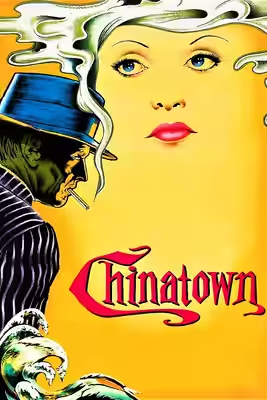
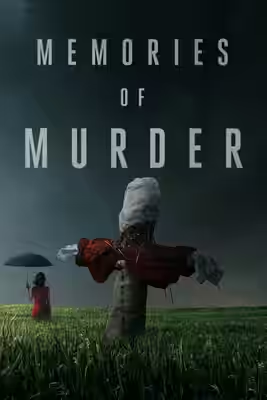
After The Black Dahlia, try L.A. Confidential (1997, Fi1m 88): The other Ellroy adaptation, and the one that keeps its plot in its hands. Then Chinatown (1974, Fi1m 93): Los Angeles, a rich family and a secret; the model this film is measured against; and Memories of Murder (2003, Fi1m 91): Korean detectives worn down by a real unsolved case; funnier and far sadder.

Cast

Awards

Academy Awards, 2007

Nominated
Best Cinematography

If you liked this, try…

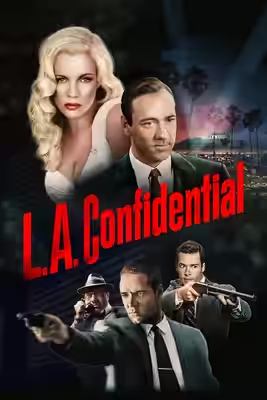
  1. L.A. Confidential (1997, Fi1m 88)The other Ellroy adaptation, and the one that keeps its plot in its hands.

  2. Chinatown (1974, Fi1m 93)Los Angeles, a rich family and a secret; the model this film is measured against.

  3. Memories of Murder (2003, Fi1m 91)Korean detectives worn down by a real unsolved case; funnier and far sadder.

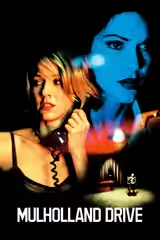
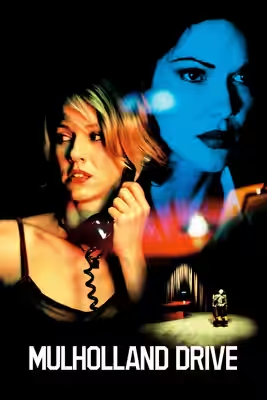
  4. Mulholland Drive (2001, Fi1m 92)Another dead-girl Hollywood dream, with an audition scene to stand beside Kirshner’s.

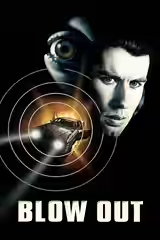
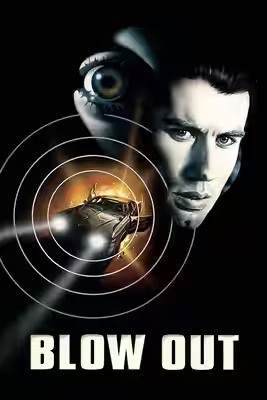
  5. Blow Out (1981, Fi1m 88)De Palma at full stretch, with one idea and the nerve to follow it.

Free account

Know what to watch tonight

Two lists that know where things are streaming, collections you can share, your own score beside ours, and Discover that remembers what you have seen.

  • Want to see, sorted by what is streaming now
  • Seen, with your score out of ten
  • No adverts, ever