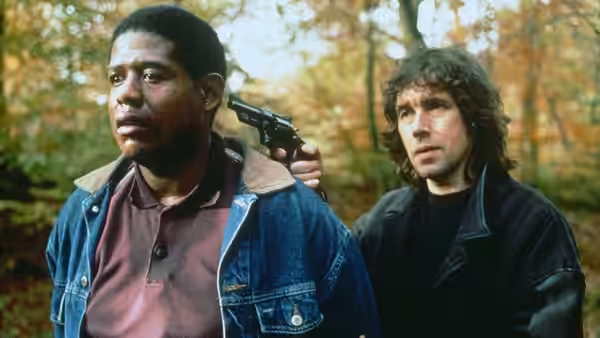
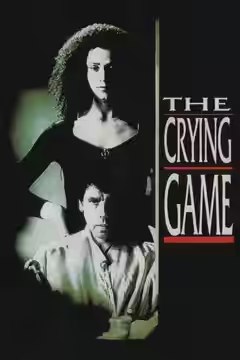
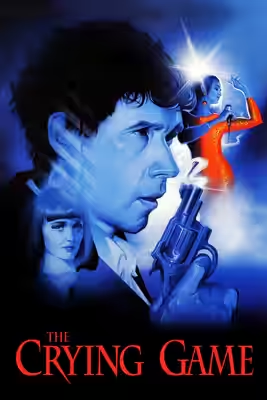
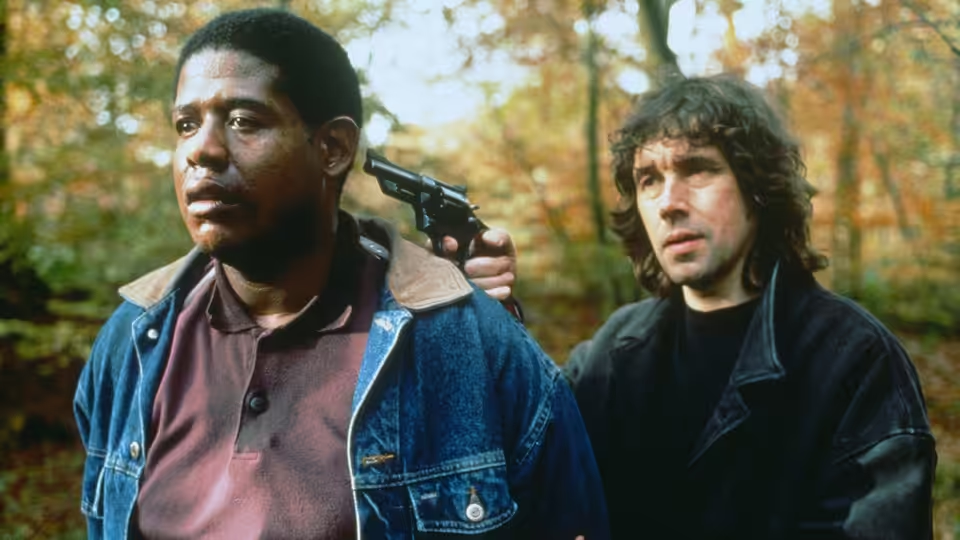
Jody (Forest Whitaker) with gun held to his head by Fergus (Stephen Rea) in woods
Film review

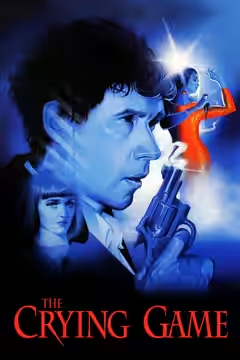
The Crying Game

1992 · Directed by Neil Jordan · 1h 52m · MPA R

In a sentenceStephen Rea makes falling in love look like something to apologise for

Fergus (Stephen Rea) faces competing demands of loyalty and desire as political violence and private attachments overlap. His story brings together Jody (Forest Whitaker), Dil (Jaye Davidson), Jude (Miranda Richardson) and Maguire (Adrian Dunbar), with relationships that put his assumptions about other people under pressure. Written and directed by Neil Jordan, The Crying Game moves between a political thriller and a love story, following people whose feelings do not fit neatly with their allegiances. Questions of trust, identity and responsibility shape Fergus’s choices, as the prospect of intimacy complicates a life already bound up with other people’s expectations.

Plays from YouTube when you press play; nothing loads from them until then.

Fi1m review

Neil Jordan’s romantic thriller is tender, unsettling and worth the occasional awkward turn. Stephen Rea gives it a vulnerable centre, though the plotting sometimes demands attention that belongs to the people caught in it.

Neil Jordan’s The Crying Game is a good thriller made better by its willingness to spend time on people who cannot explain themselves. As writer and director, Jordan brings political loyalty into uncomfortable contact with desire, then allows the feelings to become complicated enough to inconvenience the story. We recommend it, with some patience for the plotting that occasionally takes over. The strongest reason to stay is Stephen Rea’s Fergus, whose uncertainty makes the danger feel personal.

Rea makes Fergus’s reluctance to express himself absorbing, giving us the sense that speaking plainly could cost him more than he is prepared to pay. We were moved by Rea’s face, by the way Fergus appears to weigh an answer before offering it. There is enough warmth in the performance to stop all that hesitation becoming merely evasive. It is a demanding way to hold the centre of a thriller, and Rea allows Fergus to seem doubtful without draining the scenes of tension.

Jaye Davidson’s Dil makes a different impression: direct enough to unsettle a film whose central man is so guarded. Davidson gives the romantic material a welcome firmness, preventing tenderness from turning into a general invitation to feel sorry for everyone. Forest Whitaker, as Jody, helps establish the human interest that allows Jordan to move beyond the political thriller’s usual contest of opposing sides. These performances remain persuasive when the screenplay starts drawing attention to its own cleverness.

Ian Wilson’s cinematography gives Rea’s face the attention it needs, allowing small uncertainties to hold our interest. Jim Clay’s production design is persuasive on the scale that matters here: people sharing space and struggling to feel at ease together. The surroundings do not compete insistently with the actors, which helps a story already carrying plenty of complications. Anne Dudley’s music is more inclined to underline the feeling, and there are moments when we would prefer to be left with the performance.

The weakness is Jordan’s fondness for arranging a surprise when a conversation might be more revealing. Kant Pan’s editing keeps the changes of direction moving briskly, but pace cannot make every change feel equally natural. Occasionally we become conscious of the script deciding what to withhold, and interest in the people has to wait while it makes its arrangements. The film recovers because Rea and Davidson give us something worth returning to, though we would gladly exchange some clever plotting for more time in their company.

The politics are handled most convincingly at the level of personal loyalty. Jordan is interested in what a commitment requires of somebody once it stops being easy, and in whether affection can survive that pressure. That gives the violence a purpose beyond providing another difficulty for the central character, although the film is less searching about political belief itself. Anyone looking for a full account of the conflict behind the story should adjust that expectation.

The 18 certificate is worth taking seriously, and this is not a choice for an evening when everyone wants easy company. At 112 minutes, it asks for concentration without demanding a night be set aside for it. Give the performances room to work, and resist the urge to treat every uncertainty as a clue. See it when a love story with some awkwardness in it sounds more inviting than a comfortable one.

Critical consensus AI synthesised

81
Positive
8
Mixed
1
Negative
0

Most critics respond warmly to The Crying Game, with praise centred on Jordan’s direction, the screenplay and the performances, particularly Stephen Rea’s. The reviews find its combination of political thriller and romantic drama persuasive, crediting the film with emotional depth as well as confident pacing. Across the positive notices, its willingness to tackle questions of identity, loyalty and desire matters chiefly because the relationships remain compelling rather than becoming illustrations of those themes.

The reservations concern how convincingly the story holds together, though the spread runs from strong enthusiasm to qualified approval, with no wholly negative assessment. Time Out finds the structure clumsy and the reliance on twists excessive, while still judging that the film works. The Independent is more guarded than most about its power to convince, but praises the pacing and staging; the broader consensus treats its risks as largely justified by the skill and humanity of the telling.

The New Yorker
9 November 1992 · Terrence Rafferty
90*

Rafferty commends the film's sure grip, unstoppable momentum, and the hero's emotional metamorphosis, highlighting the jaw-dropping surprise and knightly grace achieved.

Read the full review →
Variety
11 September 1992 · festival review · Todd McCarthy
90*

McCarthy calls it Jordan's best, an astonishingly good and daring film that takes giant risks rewarded with skillful handling of surprises and compelling relationships.

Read the full review →
Empire
1 January 2000 · Barry McIlheney
85*

The review hails the film's haunting quality, powerful screenplay and Stephen Rea's performance as Fergus, calling it a rare gem that dares to tackle taboos with wit and flair. Minor flaws like accents are outweighed by its emotional depth and originality.

Read the full review →
Los Angeles Times
25 November 1992 · Kenneth Turan
85*

Turan finds it an unusually satisfying offbeat emotional thriller that is intricately constructed, surely directed, and splendidly acted, skillfully mixing politics with affairs of the heart.

Read the full review →
Radio Times
★★★★ · John Ferguson
80

The offbeat tale is a beguiling blend of romantic drama and political thriller with a charismatic central performance from Stephen Rea; it marked a return to form for Jordan after Hollywood flops.

Read the full review →
The New York Times
26 September 1992 · festival review · Vincent Canby
80*

Canby praises Jordan's elegant film as a tale of a love that couldn't be but proudly is, along with its rare sensibility that redeems it from trash or camp.

Read the full review →

Straight answers AI written, from our review

Is The Crying Game worth watching?
The Crying Game is worth watching for anyone who wants a thriller that spends its time on people rather than plot mechanics, and we scored it 82. Stephen Rea's guarded Fergus and Jaye Davidson's direct Dil carry it, though Neil Jordan's fondness for arranging surprises occasionally pulls attention away from them. Choose it for a love story with awkwardness in it, not an easy evening.
How long is The Crying Game, and what is it rated?
The Crying Game runs 1h 52m and is rated R by the MPA in the US. It is a crime and drama film.
Where can I watch The Crying Game in the US?
The Crying Game is available to rent from Amazon Prime Video and Apple TV from $4.99. Availability is checked daily; the links above go straight to each service.
How violent or frightening is The Crying Game, and is it suitable for children?
The Crying Game carries an 18 certificate in the UK and is not suitable for children. It is a thriller built around political violence and an adult romance, and while the violence serves the story rather than decorating it, the film is tense and unsettling throughout. Teenagers and the squeamish should treat the certificate as a serious guide rather than a formality.
How does The Crying Game compare to Mona Lisa?
The Crying Game and Mona Lisa are both Neil Jordan romances in which criminal obligations make understanding another person a risky business, and we recommend them together. Mona Lisa rests on Bob Hoskins's bruised, hopeful George and falters in its later thriller business; The Crying Game has the more complicated plotting and the more guarded centre in Stephen Rea. Start with whichever leading man you would rather sit with.
What should I watch after The Crying Game?
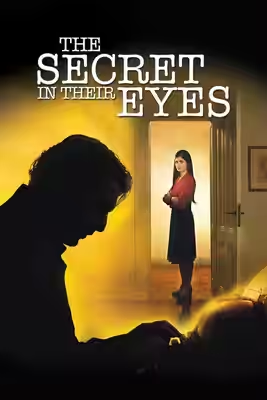
After The Crying Game, try Mona Lisa (1986, Fi1m 83): Another uneasy romance where criminal obligations make understanding another person a risky business. Then Phoenix (2014, Fi1m 68): Desire and damaged trust make every attempt at recognition painfully uncertain; and The Secret in Their Eyes (2009, Fi1m 78): A crime investigation leaves room for longing, regret and unfinished conversations.

Cast

Awards

Academy Awards, 1993

Nominated
Best Actor
Nominated
Best Director
Nominated
Best Film Editing
Nominated
Best Picture
Nominated
Best Supporting Actor
Won
Best Writing, Original Screenplay

Amanda Award for Best Foreign Feature Film, 1993

Won
Amanda Award for Best Foreign Feature Film

European Film Award for Best Achievement, 1993

Won
European Film Award for Best Achievement

Silver nugget for the best foreign film, 1993

Won
Silver nugget for the best foreign film

If you liked this, try…

  1. Mona Lisa (1986, Fi1m 83)Another uneasy romance where criminal obligations make understanding another person a risky business.

  2. Victim (1961) · not reviewed yetA thriller that takes secrecy seriously and gives its frightened people dignity.

  3. Phoenix (2014, Fi1m 68)Desire and damaged trust make every attempt at recognition painfully uncertain.

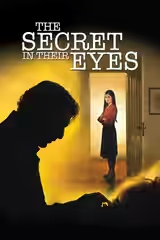
  4. The Secret in Their Eyes (2009, Fi1m 78)A crime investigation leaves room for longing, regret and unfinished conversations.

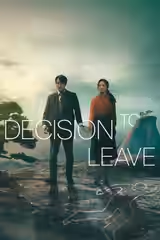
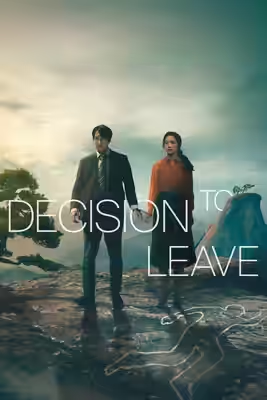
  5. Decision to Leave (2022, Fi1m 82)For another romance in which close observation offers little protection against misunderstanding.

Free account

Know what to watch tonight

Two lists that know where things are streaming, collections you can share, your own score beside ours, and Discover that remembers what you have seen.

  • Want to see, sorted by what is streaming now
  • Seen, with your score out of ten
  • No adverts, ever